
Bill Gates Earned $2.6 Billion From Landfills Polluting the Climate, ProPublica Finds
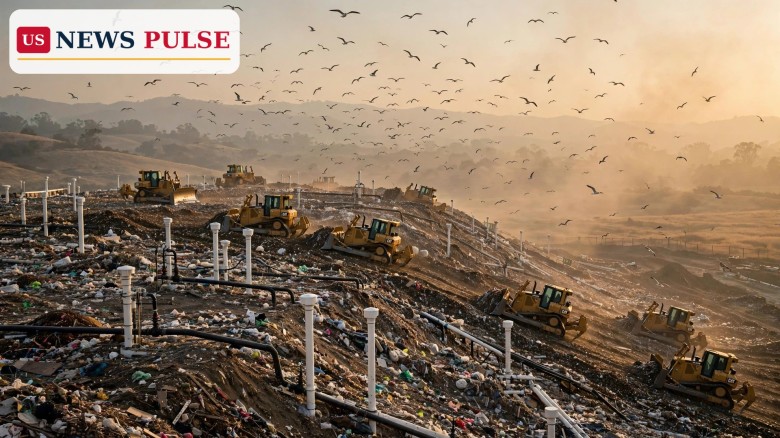
Bill Gates has quietly built a roughly 38% stake, worth about $29 billion, in Republic Services, America's second-largest landfill operator — and has personally collected $2.6 billion in dividends from it, a ProPublica investigation published on Tuesday, November 10, 2026, found. The investigation, republished by CNN on Saturday, November 14, traces how the Microsoft co-founder became the dominant shareholder in a company whose landfills generate as much climate pollution as 3 million gasoline-burning cars a year, according to Republic's own reports.
Key Points
- Bill Gates holds about 38% of Republic Services, worth roughly $29 billion — about a fifth of his wealth — mainly through Cascade Investment, the firm that manages his money, ProPublica found.
- Gates has personally received $2.6 billion in dividends from the stake, which he began building in November 1999 with a 5% holding.
- Landfills account for as much as a fifth of US methane emissions, and Republic alone generates as much climate pollution as 3 million gasoline cars a year, according to its own reports.
- Since 2020, EPA inspectors have checked at least 39 of Republic's roughly 200 landfills and recorded more than 1,400 problem spots, some leaking methane at 100 to 300 times the federal limit.
- Republic set a goal in 2019 of cutting emissions 35% by 2030, but did not adopt a stricter target it estimated could cost more than $1 billion.
What Happened
ProPublica's investigation, published November 10 and republished by CNN on November 14, lays out the scale of Gates's landfill holdings.
Gates began buying in November 1999 with a 5% position and has steadily increased his holding to about 38% over 27 years, collecting $2.6 billion in dividends along the way. He did not respond to repeated requests from ProPublica to discuss the investments, and the investigation found no public comments from him about them.
Republic operates roughly 200 landfills across the country, and its own reporting puts its climate pollution on par with 3 million gasoline-burning cars a year.
Background and Context
Landfills account for as much as a fifth of US methane emissions. Since 2020, EPA inspectors have checked at least 39 of Republic's roughly 200 landfills and recorded more than 1,400 problem spots, some leaking methane at 100 to 300 times the federal limit.
The McCarty Road Landfill in Houston received a formal EPA finding of violation, and Carbon Mapper measurements suggest it emits more than twice what Republic reported. In a study of about 70 large US landfills, Republic sites were the top two emitters, and one Indiana landfill released about 13 times the methane the company reported.
The findings land as Washington moves the other way on methane rules. The Trump administration has proposed easing oil and gas methane standards, as reported in Trump EPA Formally Proposes Methane Rules Rollback, and methane policy has also featured in the president's campaign rallies, as covered in Trump Texas Rallies, Paxton, Methane Plan and a Talarico Surge on Oct. 27.
Bill Gates Landfills: The Methane Problem Behind the Profits
The central tension is between the money the landfills generate and the pollution they release. Republic's sites were the top two emitters in a study of about 70 large US landfills, and the EPA's record — more than 1,400 problem spots at just 39 sites since 2020 — suggests the problem is widespread, not confined to a few bad locations.
Republic set a goal in 2019 of cutting emissions 35% by 2030, but did not adopt a stricter target it estimated could cost more than $1 billion, even as independent measurements showed some sites emitting far more than reported. The Indiana landfill that released about 13 times the methane the company reported is the starkest example.
For Gates, the stake is both a financial success and a reputational question. The $2.6 billion in dividends and the $29 billion holding make Republic one of his largest investments, and ProPublica could find no public comments from him about the landfill business.
Reactions and Quotes
Republic defended its record, saying: "We stand by the sustainability results we've achieved." It declined to make executives available for interviews.
Gates did not respond to repeated requests to discuss his landfill investments, and ProPublica could find no public comments he has made about them — despite a 38% stake in America's second-largest landfill operator, built up over 27 years.
Why It Matters
Methane traps far more heat than carbon dioxide over the short term, which is why landfills matter so much. If they account for as much as a fifth of US methane emissions, the operator of roughly 200 of them is a major climate actor — and its largest shareholder is one of the world's richest people.
It also shows how far reported emissions can drift from measured ones. When Carbon Mapper suggests a Houston landfill emits more than twice what its operator reported, and an Indiana site released about 13 times the reported amount, the public numbers may understate the problem significantly.
Finally, the story raises a question about accountability: a company that declined a stricter emissions target over a cost estimate above $1 billion has paid its largest shareholder $2.6 billion in dividends.
What Happens Next
Attention now turns to the EPA's enforcement work and to Republic itself. The agency has already issued a formal finding of violation at the McCarty Road Landfill in Houston, and its inspections continue across the company's network. Whether further findings follow — and whether they carry penalties — will shape how quickly Republic tightens its controls.
Republic's 2030 goal of a 35% emissions cut remains in place, but the investigation puts new pressure on the company to show progress, and on Gates to speak publicly about a holding that now dominates the conversation about his wealth.
Frequently Asked Questions
How much has Bill Gates earned from landfills? He has personally received $2.6 billion in dividends from his stake in Republic Services, according to ProPublica.
How big is Gates's stake in Republic Services? About 38%, worth roughly $29 billion — about a fifth of his wealth — held mainly through Cascade Investment, the firm that manages his money.
How much pollution do Republic's landfills produce? Republic alone generates as much climate pollution as 3 million gasoline-burning cars a year, according to its own reports, and landfills account for as much as a fifth of US methane emissions.
What did Republic Services say? The company said "We stand by the sustainability results we've achieved" and declined to make executives available for interviews.
Has Bill Gates commented on the investigation? No. He did not respond to repeated requests to discuss his landfill investments, and ProPublica could find no public comments he has made about them.
© 2026 US News Pulse. All rights reserved.
 Print
 Save