
White House Freed Seized Chinese Vapes After LaCivita Lobbying, WSJ Reports
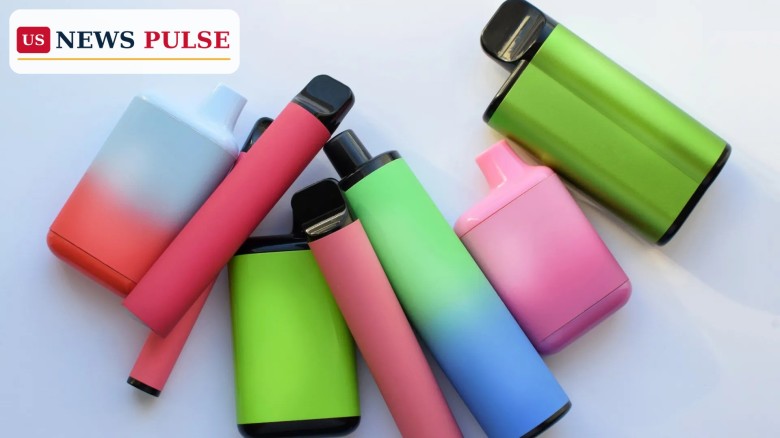
The White House ordered federal officials late this summer to release tens of millions of dollars' worth of detained illegal Chinese vapes into the American market, after talks with President Donald Trump's political adviser Chris LaCivita and his son, a lobbyist for the company behind the products, The Wall Street Journal reported on Friday night.
Customs officers in Chicago had detained the Geek Bar shipments earlier in 2026, and some officials suspected the cargo was misdeclared. The FDA has never authorised any Geek Bar product for sale in the United States, yet the shipments were released after the White House told FDA officials to sign off.
Key Points
- The White House ordered tens of millions of dollars in detained illegal Geek Bar vapes released, the Journal reported.
- Customs officers in Chicago detained the shipments earlier in 2026, and some officials suspected the cargo had been misdeclared.
- Chris LaCivita, Trump's 2024 co-campaign manager, said he told aides the importer was investing $1 billion in a US factory, but denied raising the detained shipments.
- His son, Chris LaCivita Jr., a lobbyist for importer Hillfield, acknowledged pressing White House and federal officials to let the vapes in.
- Geek Bar is the brand used by 64.1 percent of students who vape, per the FDA's 2025 National Youth Tobacco Survey.
What Happened
The episode began with the detention of Geek Bar shipments by Customs and Border Protection officers in Chicago. The vapes, made in China, had no FDA authorisation to be sold in the United States, and some officials suspected the cargo had been misdeclared when it entered the country. The shipments were held while regulators decided what to do.
Chris LaCivita, who co-managed Trump's 2024 campaign and remains a presidential adviser, told the Journal he contacted top White House aides about Geek Bar's importer, New York-based Hillfield, to say it was "onshoring" with a $1 billion investment in a US factory. He denied raising the detained shipments and called the claims "laughable and categorically false". His son, Chris LaCivita Jr., a registered lobbyist for Hillfield, acknowledged pressing White House and federal officials to let the vapes in. Disclosures show Hillfield has paid his firm, Checkmate Government Relations, $860,000 since late 2025. After the conversations, White House officials in late August told the FDA to sign off, and customs released the shipments.
Background and Context
Geek Bar is one of the most popular disposable vape brands in the United States, including among teenagers. The FDA's 2025 National Youth Tobacco Survey found it was the brand used by 64.1 percent of middle and high school students who vape. No Geek Bar product has ever been authorised by the FDA, so every sale in the United States is technically illegal, though the devices are widely available in convenience stores and vape shops. In September 2025, federal agents seized nearly 4.7 million unauthorised e-cigarettes worth $86.5 million in Chicago, the largest bust of its kind.
Hundreds more Hillfield shipments, containing millions of vapes, are now held in Chicago awaiting an FDA decision. The release matters for what it signals about that larger stockpile. It also comes amid a broader loosening of tobacco rules in Trump's second term, including a carve-out saying the administration would not enforce the law against some unauthorised vapes.
Illegal Chinese Vapes and the Fight Over Geek Bar
The central question is how a product never authorised for sale in the United States ended up back on the market after being detained by customs officers. The Journal describes a chain of events in which a political adviser and a lobbyist, father and son, spoke to senior officials about the same importer, and the White House then told the FDA to approve the release. The elder LaCivita says his talks were about investment and manufacturing, not the detained cargo; his son acknowledges pressing officials to let the vapes in.
The distinction matters: arguing for a factory investment is routine advocacy, but a White House instruction to a regulator to release a specific detained shipment, after lobbying by the importer's paid representative, raises questions about whether enforcement is decided on the merits or on connections. The Journal reported some officials had suspected the cargo was misdeclared, a detail that would normally point toward seizure rather than release. The $1 billion factory investment LaCivita cited is unverified, with no timeline or location reported.
Reactions and Quotes
Chris LaCivita was blunt in his response to the Journal, denying any role in the release. He said he contacted top White House aides to say Hillfield was "onshoring" with a $1 billion investment in a US manufacturing facility, but denied raising the detained shipments and called claims he directed government action "laughable and categorically false". His son acknowledged his role openly, saying he pressed White House and other federal officials to let the vapes in; his firm's $860,000 in fees from Hillfield since late 2025 is public record.
Why It Matters
The release matters first for public health. Geek Bar is the vape brand most used by American teenagers, and the FDA has never authorised it. Every unauthorised vape that reaches the market is sold without the safety and marketing review Congress required for tobacco products. It matters second for enforcement: customs officers detained the shipments because they believed the law required it, and the FDA decides which tobacco products may be sold. When the White House tells that agency to sign off, it signals to every other importer whether the rules will be applied evenly or bent for connected companies.
What Happens Next
The most immediate question is what happens to the hundreds of Hillfield shipments still held in Chicago. Those shipments, containing millions of vapes, await an FDA decision, and the earlier release will be read as a signal of how it is likely to go. If they are also released, the loosening of vape enforcement will effectively have become policy by practice, whatever the formal rules say.
Frequently Asked Questions
What did the White House order released?
Tens of millions of dollars' worth of detained Geek Bar vapes, Chinese-made e-cigarettes the FDA has never authorised in the United States, according to The Wall Street Journal.
Who is Chris LaCivita?
He co-managed Donald Trump's 2024 campaign and remains a presidential adviser. His son, Chris LaCivita Jr., is a registered lobbyist for Hillfield, the New York company importing Geek Bar vapes.
What did LaCivita say about his role?
He said he told White House aides Hillfield was investing $1 billion in a US factory, denied raising the detained shipments, and called claims he directed government action "laughable and categorically false".
How much was Hillfield paying the younger LaCivita's firm?
$860,000 to Checkmate Government Relations, the firm of Chris LaCivita Jr., since late 2025, according to lobbying disclosures.
Why is Geek Bar significant for teenagers?
It is the brand used by 64.1 percent of students who vape, per the FDA's 2025 survey, though no Geek Bar product has ever been authorised.
Related coverage: the Trump administration has diverted nearly all of the $607.5 million Congress allocated for international family planning aid; the FDA has ordered Ozempic, Wegovy, Mounjaro and Zepbound to carry a warning about vision-loss risk.
© 2026 US News Pulse. All rights reserved.
 Print
 Save