
Merkley Backs Van Hollen in Schumer Leadership Fight as Allies Predict 40-Plus Votes
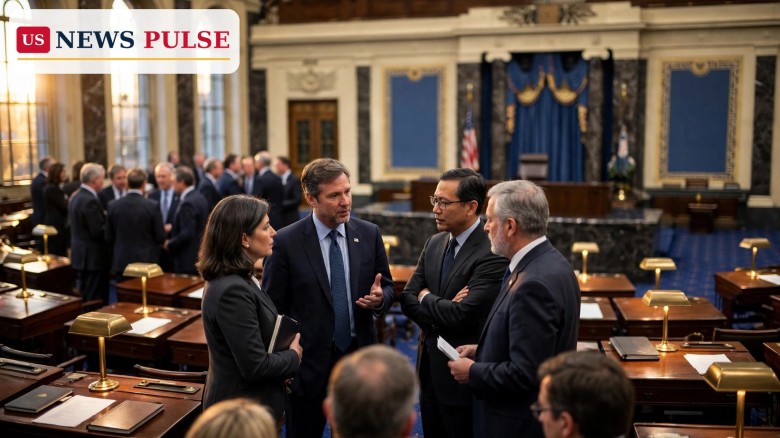
Jeff Merkley backs Van Hollen in the race for Senate Democratic leader, the Oregon senator announced on Friday, 13 November 2026, giving the Maryland senator's challenge to Chuck Schumer its most senior progressive endorsement yet and widening a leadership fight that will be settled by a secret ballot on 1 December.
Key Points
- Merkley, the Senate Budget Committee's ranking member, said on Friday, 13 November, that he will support Van Hollen over Schumer.
- Merkley said Americans are "desperate to restore government by and for the people, not the privileged and powerful" and called Van Hollen "that leader".
- Van Hollen's public backers now include Sanders and Merkley, plus senators-elect Abdul El-Sayed and Peggy Flanagan.
- Elissa Slotkin says she will not vote for Schumer, while his allies predict more than 40 votes and weigh an earlier ballot.
- The winner needs 28 votes — 29 if Democrats win Alaska — in the first contested Democratic leadership election since 1994.
What Happened
Merkley announced his decision on Friday, 13 November, a day after Van Hollen launched his challenge. In a statement from his office, the Oregon senator framed the choice as a question of who the Senate works for. "Americans are desperate to restore government by and for the people, not the privileged and powerful," Merkley wrote. "We need leadership that carries that responsibility in their heart and gut. Senator Chris Van Hollen is that leader."
Van Hollen announced on Thursday, 12 November, that he would challenge Schumer, saying more than 10 senators back him while acknowledging he is the underdog. Sanders and El-Sayed publicly backed him within a day, and Merkley's decision on Friday added the race's most senior progressive voice. It came the same day Van Hollen pledged in Denver to abolish the filibuster and ruled out a 2028 presidential run. Schumer's allies predicted he would win more than 40 votes and said they were weighing an earlier vote than the scheduled 1 December date. Schumer says he has the votes to stay.
Background: The Leadership Challenge After the Midterms
The fight follows the Democrats' midterm sweep on 3 November 2026, which gave the party control of both chambers and set off a debate about how that power should be used. Schumer has led Senate Democrats since 2017, steering the caucus through the Trump years, the Biden presidency and two years in the minority. No Democratic leadership election in the Senate has been contested since 1994, and until last week no senator had openly challenged him.
Van Hollen, in the Senate since 2017, announced his bid on 12 November after weeks of private talks with colleagues, arguing the party needs a leader who will use its new majority aggressively. He has made the filibuster the sharpest dividing line: in Denver on Friday, he called the 60-vote threshold "undemocratic" and "not in our Constitution", and said he would scrap it so bills could pass with 51 votes.
Why Merkley Backs Van Hollen
Merkley's endorsement matters because of who he is in the caucus. As the ranking member of the Senate Budget Committee, he is one of the chamber's most senior progressives and a longtime critic of Senate rules that favour the powerful. His statement echoed that theme: the fight is about restoring a government "by and for the people, not the privileged and powerful".
That language fits Van Hollen's own case. He has framed his challenge around using the majority to pass voting-rights measures that have repeatedly stalled at the 60-vote hurdle. Merkley's backing suggests that case is landing with senators who care most about Senate reform, and it gives Van Hollen a validator beyond the Sanders wing. There is also a practical calculation: Van Hollen needs 28 votes to win, and every public endorsement makes it easier for the next senator to declare.
Reactions and Quotes
Merkley was direct about why he chose Van Hollen. "Americans are desperate to restore government by and for the people, not the privileged and powerful," he wrote. "We need leadership that carries that responsibility in their heart and gut. Senator Chris Van Hollen is that leader." Sanders framed the race as a verdict on what the party stands for, saying voters want a party that will "stand up to powerful special interests, take on the billionaire class and fight for working families". El-Sayed said he had urged Van Hollen to run since April "because he leads with courage and experience". Slotkin has not endorsed Van Hollen, but she has said she will not vote for Schumer. Schumer has not responded directly; his position is that he has the votes to stay.
Why It Matters
The leadership election will decide who runs the Senate for the next two years as Democrats take power in both chambers, and the Merkley endorsement turns it from a long-shot challenge into a genuine contest of ideas. Van Hollen announced his challenge on 12 November, the first declared bid against Schumer in decades, and his backers now include two sitting senators and two senators-elect. The same race will shape how the new majority uses its power — whether it moves to abolish the filibuster, as Van Hollen has pledged, or keeps the 60-vote threshold that Schumer has defended.
The arithmetic still favours Schumer. His allies predict more than 40 votes, well above the 28 Van Hollen needs, and the leader has spent nine years building loyalty inside the caucus.
What Happens Next
Senate Democrats will choose their leader by secret ballot on 1 December, with senators-elect taking part, unless Schumer's allies succeed in moving the vote earlier. The next signal is Slotkin: if she endorses Van Hollen, the race becomes a genuine contest rather than a protest candidacy. The still-uncalled Alaska Senate race could also change the maths — if Democrats win it, the winner would need 29 votes instead of 28. Either way, Schumer has said he has the votes to stay on as Democratic leader, and the winner takes over when the new Congress convenes on 3 January 2027, after the Sanders and El-Sayed endorsements that followed Van Hollen's announcement showed organised support behind the challenge.
Frequently Asked Questions
Who did Jeff Merkley endorse for Senate Democratic leader?
Merkley endorsed Senator Chris Van Hollen of Maryland over Chuck Schumer on Friday, 13 November 2026.
Who else publicly backs Van Hollen?
Senator Bernie Sanders and senators-elect Abdul El-Sayed and Peggy Flanagan. Senator Elissa Slotkin has said she will not vote for Schumer.
How many votes does Van Hollen need to win?
He needs 28 votes — 29 if Democrats also win the still-uncalled Alaska Senate race.
When will Senate Democrats vote on their leader?
The secret ballot is scheduled for 1 December 2026, though Schumer's allies are weighing pulling the vote earlier.
Who is Chuck Schumer?
Schumer, 75, has led Senate Democrats since 2017 and says he has the votes to stay; his allies predict more than 40.
© 2026 US News Pulse. All rights reserved.
 Print
 Save