
Gulf States Brace for Democratic Probes of Trump Family Deals After Midterms
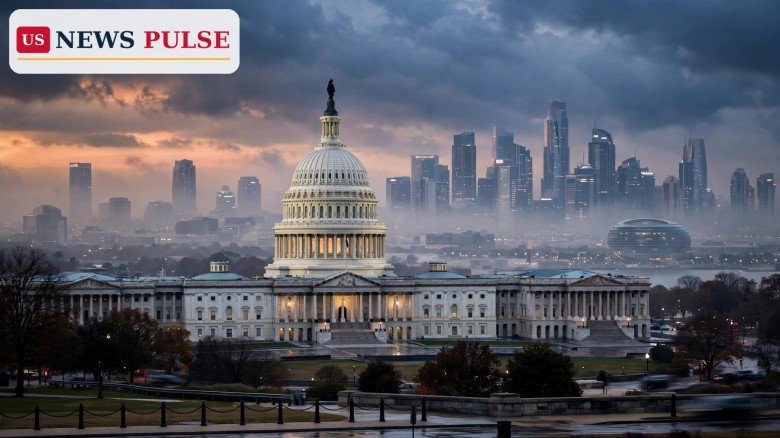
The governments of Saudi Arabia, the United Arab Emirates and Qatar are bracing for Democratic probes of Trump family deals after Democrats won control of both chambers of Congress in the November 3 midterm elections. According to a Washington Post report published on November 14, Democratic lawmakers have already warned the three Gulf governments that investigations into real estate deals, financial investments and gifts are coming — and that refusing to cooperate could put their relationships with Washington at risk. The new Congress convenes on January 3, 2027.
Key Points
- Saudi Arabia, the UAE and Qatar are preparing for Democratic-led congressional investigations into their financial ties with President Donald Trump and his family after the Democrats' midterm sweep.
- The probes are expected to examine a $500 million stake linked to a senior Emirati royal in World Liberty Financial, a $2 billion Saudi investment in Jared Kushner's Affinity Partners, $1 billion of Trump projects in Jeddah and a $400 million Boeing 747-8 jet from Qatar.
- Democratic lawmakers have warned the three governments the probes are coming and that refusing to cooperate could jeopardise relations with Washington — though diplomats say the governments are unlikely to hand over sensitive information.
- Senator Chris Murphy said he raised corruption concerns directly with Saudi Crown Prince Mohammed bin Salman and Qatari Emir Sheikh Tamim bin Hamad Al Thani during an October Gulf visit.
- Subpoenas do not reach foreign governments, so Democrats may use arms sales and security aid as leverage instead.
What Happened
The Washington Post reported on November 14 that the three Gulf governments are preparing for a wave of investigations once Democrats take control of Congress in January. Citing United States officials and Gulf diplomats, the report says the probes will examine real estate deals, financial investments and gifts linked to Trump and his associates, and that lawmakers have warned the three governments the inquiries are coming.
The lawmakers also cautioned that refusing to cooperate could put the countries' relations with Washington at risk. But diplomats told the newspaper the Gulf governments were unlikely to provide sensitive information, including private correspondence investigators might request, because the material is politically sensitive.
Background: The Deals Under Scrutiny
Attention is expected to focus on a $500 million stake bought by an entity linked to Sheikh Tahnoon bin Zayed Al Nahyan in World Liberty Financial, a cryptocurrency company founded by Trump's three sons and Zach Witkoff. The newspaper reported that the entity bought the stake months after the UAE secured access to advanced American semiconductor chips. Democratic Senator Elizabeth Warren described the deal as "corruption, plain and simple". NPR reported this week that the Trump family has made nearly $3 billion in the second term, mostly from cryptocurrency, with World Liberty Financial alone earning the family about $1.4 billion.
In Saudi Arabia's case, investigators are expected to examine the sovereign wealth fund's $2 billion investment in Affinity Partners in 2021, the firm founded by Jared Kushner, Trump's son-in-law and envoy. They will also look at Trump projects in Saudi Arabia — a Trump Tower and Trump Plaza in Jeddah worth $1 billion, two luxury complexes in Riyadh — and a July agreement letting Saudi Arabia build nuclear plants with American technology, which drew objections in Congress, including from Republicans.
For Qatar, investigators are expected to examine a luxury Boeing 747-8, worth about $400 million, that Doha agreed to give as a gift after the Trump administration asked about buying it. Democrats called the arrangement a "bribe" and moved to block $1.9 billion in arms sales to Qatar.
Gulf States Brace for Democratic Probes of Trump Family Deals
Preparations under way in Riyadh, Abu Dhabi and Doha show how seriously the three governments take the threat. They have defended their dealings with the Trump administration, maintaining that the transactions were conducted properly and rejecting accusations that they sought to curry favour. But the scale of the money involved — and the timing of the deals, coming alongside favourable American decisions on chips, arms and nuclear technology — is exactly what investigators are expected to probe.
Donald Sherman, president of Citizens for Responsibility and Ethics in Washington, said investigators would seek correspondence showing whether investments and gifts were connected to changes in United States policy. Alison Minor, a former director for Arabian Peninsula affairs at the United States National Security Council, said she expected the investigations to increase tensions between Democrats and Gulf countries, noting wider disagreements over Sudan and Yemen.
Reactions and Quotes
Senator Chris Murphy said he had raised concerns about corruption with Saudi Crown Prince Mohammed bin Salman and Qatari Emir Sheikh Tamim bin Hamad Al Thani during a Gulf visit in October. Murphy said he had delivered strong messages to both countries, warning that expanding financial ties with the Trump family would increase the risks facing their relationships with Washington. He added that United States foreign policy had "been corrupted".
The probes are part of a wider Democratic oversight programme. Democrats plan sweeping investigations of the Trump family's business dealings, the Epstein files and the Iran war, led by expected House Oversight chair Robert Garcia, who told the administration to "lawyer up".
Why It Matters
The coming probes go to the heart of how American foreign policy in the Gulf is made. Saudi Arabia, the UAE and Qatar host American troops, buy American weapons and supply oil and gas to world markets. If investigators show that money flowing to the president's family influenced decisions on semiconductor exports, nuclear technology or arms sales, it would raise serious questions about whose interests American policy in the region has served.
What Happens Next
The new Congress convenes on January 3, 2027, and Democrats are expected to move quickly. Subpoenas could be issued on "day one", and investigations could begin as early as February. Because congressional subpoena powers do not extend to foreign governments, lawmakers are expected to exert pressure through arms sales and security assistance. Two Democratic aides told the Post that corruption concerns could affect lawmakers' willingness to deepen partnerships with the countries involved.
Frequently Asked Questions
What are Democrats planning to investigate?
Financial ties between the Saudi, Emirati and Qatari governments and President Donald Trump, his administration and his family — real estate deals, investments and gifts.
What is the $500 million World Liberty stake?
An entity linked to Sheikh Tahnoon bin Zayed Al Nahyan of the UAE bought a $500 million stake in World Liberty Financial, the crypto firm founded by Trump's three sons and Zach Witkoff, months after the UAE won access to advanced US chips.
What did Qatar give the Trump administration?
Doha agreed to provide a luxury Boeing 747-8, worth about $400 million, as a gift after the Trump administration asked about buying it. Democrats called it a "bribe".
Can Congress subpoena foreign governments?
No. Congressional subpoena powers do not extend to foreign governments, so Democrats are expected to use leverage over arms sales and security assistance.
When do the investigations start?
The new Congress convenes on January 3, 2027. Subpoenas could come on "day one", with investigations possibly beginning in February.
© 2026 US News Pulse. All rights reserved.
 Print
 Save