
Trump Judge Nominees Blocked as Cornyn and Tillis Resist Lame-Duck Blitz
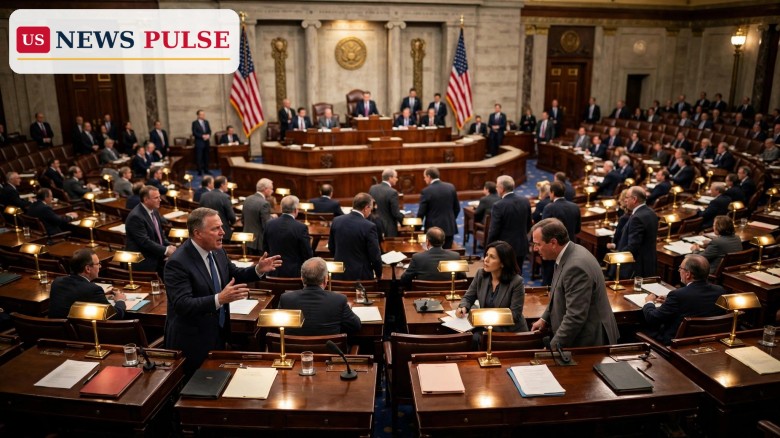
President Donald Trump’s push to fill the federal bench before Democrats take the Senate in January is running into resistance from his own party, with Republican senators now blocking or casting doubt on three of his judicial nominees. The latest setback came from Senator John Cornyn of Texas, who has declined to commit to supporting T. Elliot Gaiser, Mr. Trump’s pick for a federal judgeship in Dallas. Under the Senate’s blue-slip tradition, that refusal blocks Gaiser from the Judiciary Committee hearing scheduled for Wednesday. The standoff comes as the White House races the calendar: Senate Republicans have confirmed 57 of Mr. Trump’s judicial nominees in his second term, but 23 remain pending.
Key Points
- Senator John Cornyn of Texas has declined to commit to T. Elliot Gaiser, Mr. Trump’s nominee for a Dallas federal judgeship, withholding the blue slip Gaiser needs for a hearing on Wednesday.
- Senator Thom Tillis of North Carolina backs Senator Alan Armstrong’s opposition to Zach West, Mr. Trump’s Oklahoma nominee, leaving West short of the votes to clear the Judiciary Committee on Tuesday.
- The White House already withdrew Judge Lee Rudofsky’s nomination to the 8th Circuit last Tuesday, replacing him with Arkansas Supreme Court Justice J. Cody Hiland after home-state senators objected.
- Senate Republicans have confirmed 57 of Mr. Trump’s judicial nominees in his second term, with 23 still pending, and Majority Leader John Thune says confirmations are a top priority.
- Colorado Judge Daniel Domenico’s nomination to the 10th Circuit is set for a vote on Monday.
What Happened
The newest obstacle is in Texas. Mr. Cornyn has declined to commit to supporting Gaiser, who was selected without the usual senator-driven screening in the state. Gaiser now leads the Justice Department’s Office of Legal Counsel. Without a blue slip from Mr. Cornyn, Gaiser cannot appear at the hearing set for Wednesday. The blue slip is the Senate custom of seeking both home-state senators’ approval before advancing a district-court nominee.
The Texas impasse is the third front in a wider Republican revolt. In Oklahoma, Senator Alan Armstrong withdrew an earlier favourable blue slip for Zach West, a lawyer in the Oklahoma attorney general’s office, and Senator Thom Tillis backs him. The committee next decides whom to advance on Tuesday, and West does not have enough votes to clear it. Mr. Armstrong leaves the Senate on November 30, when Senator-elect Kevin Hern takes his seat — but the committee vote comes first.
Background/Context
The fight is playing out in the short window before power changes hands. Democrats won at least 54 Senate seats on November 3 and take control in January, so the White House is rushing to install as many judges as possible in the lame-duck session. Majority Leader John Thune said on Monday that judicial confirmations were a top priority, and the Senate confirmed its first lame-duck judicial nominee on Thursday. With 23 nominees pending and only weeks of session left, every Republican defection costs time the White House does not have. A White House official insisted the administration still expects success, saying: “We expect all judicial nominees pending in the Senate to be confirmed this year.”
Trump Judge Nominees Blocked: Three Nominees, Three Problems
The Gaiser and West cases are the two live blocks, but the pattern began earlier in the week. On Tuesday, the White House withdrew Judge Lee Rudofsky’s nomination to the St. Louis-based 8th U.S. Circuit Court of Appeals and replaced him with Arkansas Supreme Court Justice J. Cody Hiland, after Arkansas Republican Senators John Boozman and Tom Cotton opposed Rudofsky. The swap was reported by US News Pulse on November 11.
The West case, also reported by US News Pulse on November 12, is the most advanced of the three blocks. Mr. Armstrong had returned a blue slip of support for West, then reversed himself. Mr. Tillis, a committee member, backs Mr. Armstrong, and West needs all 12 Republican committee votes to advance. Gaiser’s case differs in one respect: Mr. Cornyn has not said he opposes the nominee outright, only that he has declined to commit.
Reactions/Quotes
Mr. Tillis, speaking to reporters on Thursday, described a White House approach that he said left senators little room. He said the White House has at times told senators: “This is our guy, I hope you’ll get on board.” His answer was blunt: “That’s not how it works here.” Mr. Tillis added that senators deserve more “respect” in the process, a remark that captures the complaint behind all three blocks: nominees chosen without consulting the senators whose states they would serve. Judge Rudofsky, whose nomination was withdrawn on Tuesday, accepted the outcome with a statement that underlined the senators’ point: “Without the support of my home-state senators, confirmation is simply not a practical possibility in today’s Senate.”
Why It Matters
The revolt matters because it comes from inside the president’s own party, in the final weeks when Republican control of the Senate is the only thing standing between Mr. Trump and a Democratic blockade of his judges. A Democratic Senate in January will have no incentive to confirm them, so each one that stalls now is likely lost for good. The 57 confirmations already banked are a substantial legacy, but the 23 pending nominees are the difference between a good lame-duck haul and a transformative one. The blue-slip fights also expose a lasting tension: the White House wants speed and loyalty, while senators of both parties guard the tradition that gives home-state senators a say over who judges their states.
What Happens Next
The week ahead will decide how much of the blitz survives. On Monday, the Senate votes on Judge Domenico’s nomination to the 10th Circuit. On Tuesday, the Judiciary Committee decides which nominees to advance, with West short of the votes he needs. On Wednesday, Gaiser is due before the committee for a hearing he cannot attend without Mr. Cornyn’s blue slip, so the Texas senator’s next move is the one to watch. The White House says it expects all 23 pending nominees to be confirmed this year; the next three days will show whether that confidence is justified.
Frequently Asked Questions
What is a blue slip?
It is the Senate Judiciary Committee’s practice of asking both home-state senators whether they approve of a district-court nominee from their state. A withheld blue slip usually stops the nomination from advancing to a hearing.
Who is T. Elliot Gaiser?
He heads the Justice Department’s Office of Legal Counsel and is Mr. Trump’s nominee for a federal judgeship in Dallas, Texas. Senator John Cornyn has declined to commit to supporting him.
Why is Zach West blocked?
Senator Alan Armstrong of Oklahoma withdrew his earlier blue slip of support for West, and Senator Thom Tillis backs Mr. Armstrong. West needs all 12 Republican votes on the Judiciary Committee to advance, and he does not have them.
How many of Mr. Trump’s judicial nominees have been confirmed?
Senate Republicans have confirmed 57 in his second term, with 23 still pending as the lame-duck session continues.
© 2026 US News Pulse. All rights reserved.
 Print
 Save