
US Attorney Reitz Sends Warren Preservation Demand in Third Letter to Democrats
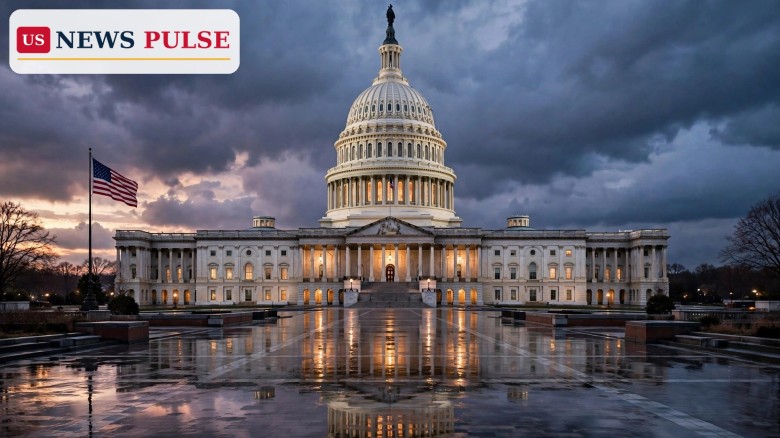
U.S. Attorney Aaron Reitz has sent a third preservation-demand letter to a Democratic senator in five days, this time targeting Senator Elizabeth Warren of Massachusetts over her planned congressional investigations into President Donald Trump's associates. The letter, sent on Sunday, November 15, 2026, and posted on social media, orders Warren, her staff, consultants and campaign aides to preserve records tied to those inquiries and warns of "significant legal consequences" if they fail to do so. Warren has until 6 p.m. ET on Monday, November 23, to confirm in writing that the material has been preserved. No criminal charge has been filed against Warren, and legal experts describe the letters as an attempt to chill oversight, not the start of a prosecution.
Key Points
- Reitz, the U.S. attorney for the Southern District of Texas, sent the letter to Warren on Sunday, November 15, 2026, and posted it on X.
- The demand covers records tied to Warren's planned inquiries into Trump's associates, including questions about money raised for the White House ballroom.
- Warren must confirm in writing by 6 p.m. ET on Monday, November 23, that the material has been preserved.
- It is the third such letter in five days, after similar demands to Senators Richard Blumenthal and Elissa Slotkin.
- No charge has been filed in any of the three cases, and Attorney General Todd Blanche says the Justice Department has no ongoing criminal investigations into lawmakers' words.
What Happened
In the letter, Reitz cites two federal criminal civil-rights laws, 18 U.S.C. 241 and 242, and alleges that Warren's planned inquiries target private Americans because of their association with Trump. The demand applies to Warren herself and to her staff, employees, consultants and campaign personnel, and it covers documents, communications and electronically stored information connected to the investigations she has said she intends to pursue. Reitz posted the letter on X, as he did with the two earlier letters, making the warning public before Warren could respond through official channels.
The letter quotes Warren's remarks from November 8 and a November 12 letter she sent with Senator Richard Blumenthal and Representative Robert Garcia to Meredith O'Rourke, a fundraiser for Trump, asking about money raised for the White House ballroom and other projects. Warren is expected to chair the Senate Banking Committee when Democrats take the majority in January, a post that would give her subpoena power over banks, regulators and corporate witnesses. As of Sunday afternoon, Warren had not publicly responded to the letter.
Background/Context
The Warren letter is the latest step in a rapid series. On Wednesday, November 11, Reitz sent a similar preservation demand to Blumenthal, the ranking member of the Senate Permanent Subcommittee on Investigations, over his inquiry into donors to the White House ballroom. On Thursday, November 12, he sent another to Senator Elissa Slotkin of Michigan over her comments about holding people around Trump accountable. Slotkin's office said that letter appeared online before she received it.
The backdrop is the Democrats' sweep of both chambers of Congress in the November 3 midterm elections. Incoming Democratic committee leaders have said they intend to investigate the Trump administration and its allies, including the roughly $330 million to $400 million in private "patriot" donations that paid for the White House ballroom. Blumenthal sent 58 oversight letters to ballroom donors two days after the election and has demanded that Apple, Meta, Google, Nvidia, Amazon, Microsoft and others turn over donation records by January 4, 2027, or face possible subpoenas. Warren and Senator Chris Coons have also pressed for records in a separate inquiry, demanding Nvidia chip export records be preserved amid China spy claims.
What the Preservation Demand Requires
A preservation demand is a request, backed in this case by a threat of legal consequences, to keep records rather than destroy them. It is not a subpoena, which compels production, and it is not a charge, which requires a grand jury and a court. Reitz's letter does not say what enforcement would follow if Warren failed to comply, only that the consequences would be "significant."
The statutes Reitz cites, 18 U.S.C. 241 and 242, make it a crime to conspire to deprive people of constitutional rights or to deprive them of rights under colour of law. Reitz's argument is that an investigation aimed at Trump associates because of their association with the president would amount to such a deprivation. Oversight experts dispute that reading, noting that the laws were written to punish officials who use state power against citizens, not to shield donors from congressional questions.
Reactions/Quotes
Congressional oversight experts have called the letters "meritless" attempts to chill free speech. Tim Stretton of the Project On Government Oversight said the demands ignore the Constitution's protections for political speech, a view shared by other specialists in congressional investigations. Their point is that oversight of the executive branch and its allies is a core legislative function, not a civil-rights violation.
The Justice Department itself has struck a more cautious note. Attorney General Todd Blanche said on November 12 that the department has no ongoing criminal investigations into lawmakers' words. Acting Deputy Attorney General Trent McCotter publicly backed Reitz's move against Blumenthal. Warren had not publicly responded as of Sunday afternoon, and Blumenthal also had not publicly responded to his letter.
Why It Matters
The fight matters because it tests the boundary between executive power and congressional oversight at the moment Democrats are about to take control of the Senate's gavels. If the letters succeed in making lawmakers hesitate, investigations into the ballroom donations and other Trump-era dealings could stall before they begin. If they fail, they may still set up a court test over whether a federal prosecutor can use criminal civil-rights statutes to warn legislators off inquiries. Warren's expected Banking Committee chairmanship raises the stakes: its inquiries could reach the banks and companies that financed the ballroom.
What Happens Next
Warren's first deadline is Monday, November 23: she must confirm in writing that the records have been preserved. Attention will then turn to whether she answers Reitz publicly, and whether the Justice Department takes any further step. In January, Democrats take the Senate majority, Warren is expected to take the Banking Committee gavel, and the oversight letters already sent to ballroom donors come due. The question is whether the preservation demands slow that work down, or become the first exhibit in a fight over who gets to investigate whom.
FAQ
What is a preservation demand?
A letter ordering a person to keep specified records. It is not a subpoena and not a criminal charge.
Has Senator Warren been charged with a crime?
No. No charge has been filed in any of the three cases, and the attorney general says there are no ongoing criminal investigations into lawmakers' words.
Why did Reitz cite 18 U.S.C. 241 and 242?
He alleges the inquiries target private Americans because of their Trump association. Experts say the statutes do not fit congressional oversight.
What is the November 23 deadline?
Warren must confirm in writing by 6 p.m. ET that the material has been preserved.
What happens if she does not comply?
Reitz warned of "significant legal consequences" but has not said what would follow.
© 2026 US News Pulse. All rights reserved.
 Print
 Save