
NATO Scraps 2027 Albania Summit as Alliance Rift Deepens Over Iran and Ukraine
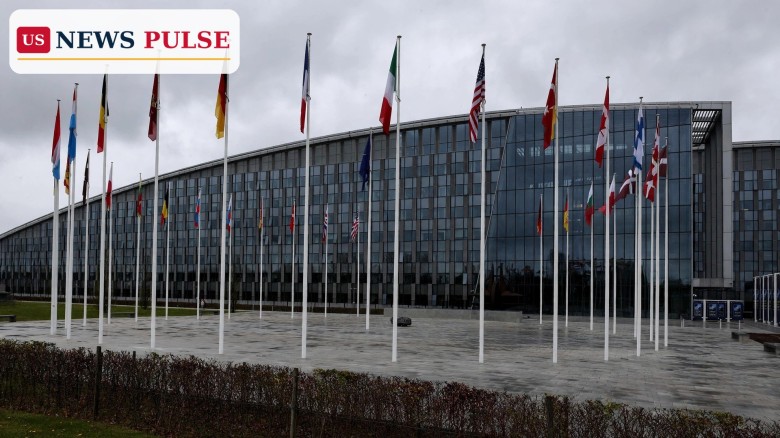
NATO has cancelled its planned 2027 leaders' summit in Albania and is cutting back other high-level meetings, in the clearest sign yet that the alliance is struggling to hold together amid disputes over defence spending, the war in Iran and the war in Ukraine.
Key Points
- NATO will not hold its planned 2027 leaders' summit in Albania, the Associated Press reported on Saturday, November 14, 2026.
- Albanian Prime Minister Edi Rama said on Thursday that the summit would not go ahead in Albania.
- Ministerial meetings are being cut back too: defence ministers usually meet in October, but no talks took place last month and none are planned for October 2027.
- Defence Secretary Pete Hegseth and Secretary of State Marco Rubio have each skipped a NATO meeting or left early since taking office.
- President Donald Trump has revived talk of taking control of Greenland and accused NATO of failing to back his war on Iran.
What Happened
The Associated Press reported on Saturday that NATO will not hold its planned 2027 leaders' summit in Albania, and is cutting back other high-level meetings too. Albanian Prime Minister Edi Rama said on Thursday that the summit would not go ahead in his country. No replacement host was named, and no new date was announced. Ministerial meetings are being cut back too. Defence ministers usually meet in October, but no talks took place last month, and none are planned for October 2027. The leaders' summit is where heads of state and government set strategy and show a united front. Cancelling one is rare, and it lands when the alliance is openly divided. Also read: Zelenskyy Says US Floated Ukraine NATO Membership for Donbas Withdrawal.
Background and Context
NATO, founded in 1949, is the West's main defence alliance, now with 32 members bound by a promise that an attack on one is an attack on all. Its summits renew that promise in public and settle the hard arguments over money, missions and strategy behind closed doors. Albania, which joined the alliance in 2009, was due to host the 2027 gathering, a milestone for the small Balkan member state. The United States has been at war with Iran since February 2026, and Washington's demand that allies back the campaign has divided the alliance. Defence spending, with President Trump pressing allies for years to spend more, remains unsettled. And the war in Ukraine raises the hardest question: how far NATO should go in supporting Kyiv without becoming a party to the war. Meanwhile, Defence Secretary Pete Hegseth and Secretary of State Marco Rubio have each skipped a NATO meeting or left before talks ended since taking office.
NATO Scraps 2027 Summit: What the Cancellation Tells Us
A cancelled summit is not a scheduling detail; it is a signal. Summits are planned years ahead, and dropping one means the alliance could not agree on an agenda, or on a host willing to stage a meeting that might end in public disagreement. On spending, Washington wants more, and several European members say they are already stretched. On Iran, Washington wants allies to back a war many of them have kept their distance from. On Ukraine, the alliance is split between deeper support for Kyiv and fear of escalation. Then there is Greenland. President Trump has revived talk of taking control of the island, a self-governing part of NATO ally Denmark, and has demanded loyalty from allies — a demand that cuts against NATO's purpose, which is to defend members' territory, not transfer it. With fewer meetings, there are fewer chances to settle these disputes face to face.
Reactions and Quotes
Albanian Prime Minister Edi Rama confirmed on Thursday that the 2027 summit would not take place in Albania. NATO Secretary-General Mark Rutte played down the issue, in the Associated Press account. The Trump administration's position has been expressed less in statements than in absences: Hegseth and Rubio have each skipped a NATO meeting or walked out before talks ended since taking office. Trump himself has been blunt about his expectations, demanding loyalty from allies and accusing NATO of failing to back his war on Iran. The contrast captures the alliance's problem: Rutte is trying to keep the show on the road while the disputes behind the cancellation remain unresolved. Related coverage: Drones Strike Three Ships Near Romania's Sulina Canal in NATO Waters Late Saturday.
Why It Matters
NATO's strength has always rested on two things: military power and the appearance of unity. A cancelled summit damages the second, and that matters to the alliance's adversaries as much as to its members. Russia will read a summit that could not be held as evidence that the alliance is divided. Iran will note that Washington's allies have not lined up behind the campaign. And Ukraine will wonder whether the alliance can still make big decisions together. There is a practical cost too: summits set spending targets, approve new capabilities and update strategy. Without them, decisions slow down and drift. For the United States, it raises an awkward question: whether demanding loyalty while its top officials skip meetings is pushing the alliance apart.
What Happens Next
The first question is whether another member steps forward to host the 2027 summit. No replacement host has been named, and a summit without a host cannot happen. The second is whether the ministerial calendar is restored: no defence ministers' meeting in October 2027 would leave a full year without the alliance's main working-level gathering. Rutte must now keep the alliance functioning while its biggest member and its European allies argue over spending, Iran, Ukraine and Greenland. The wars in Ukraine and Iran will shape what happens next: progress on either could ease the pressure, escalation could deepen it. For now, the alliance's leaders will not be standing together in Albania in 2027.
Frequently Asked Questions
Why was the 2027 NATO summit cancelled?
The Associated Press reported on Saturday, November 14, 2026, that NATO will not hold its planned 2027 leaders' summit in Albania, amid tension over defence spending, Iran and Ukraine. No replacement host has been named.
Who announced the cancellation?
Albanian Prime Minister Edi Rama said on Thursday that the summit would not go ahead in Albania.
What other NATO meetings are being cut back?
Ministerial meetings are being cut back too: no defence ministers' talks took place last month, and none are planned for October 2027.
Why is there tension inside NATO?
The alliance is divided over defence spending, the US war in Iran and the war in Ukraine — and over Trump's talk of taking control of Greenland.
What did NATO's secretary-general say?
Secretary-General Mark Rutte played down the issue, declining to call it a crisis.
© 2026 US News Pulse. All rights reserved.
 Print
 Save