
Jensen Huang Weighs Nvidia Return as 157,000 Back Bring Jensen Back Campaign
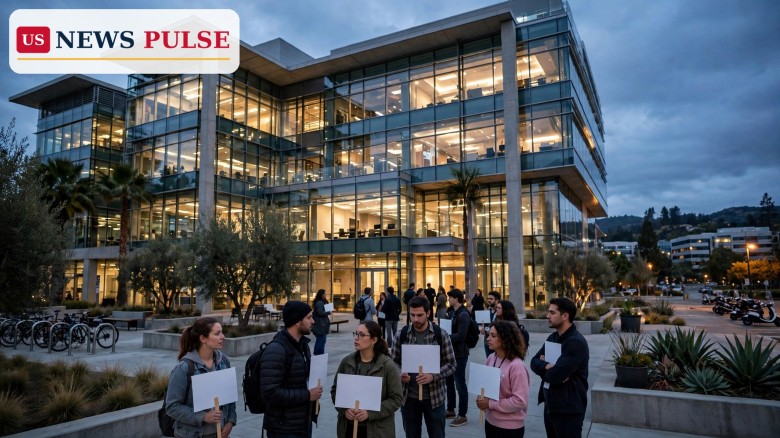
Jensen Huang has discussed a possible return to Nvidia with confidants just four days after resigning as chief executive, the Financial Times reported on Sunday, turning the chipmaker's leadership crisis into a public tug-of-war between Silicon Valley, Washington and the company's board. The report came as an open letter calling for Huang's reinstatement passed 157,000 signatures, including more than 7,500 Nvidia employees, while allies said they are building a "war room" to lobby for his return and Treasury Secretary Scott Bessent pressed for an outsider instead.
Key Points
- The Financial Times reported on Sunday, November 15, that former Nvidia chief executive Jensen Huang has discussed a possible return with confidants, four days after resigning.
- The "Stand with Jensen" and "Bring Jensen Back" letter passed 157,000 signatures by Sunday, including more than 7,500 self-identified Nvidia employees, about 18 percent of the workforce.
- Backers include Elon Musk, Epic Games chief Tim Sweeney, Y Combinator president Garry Tan and Uber co-founder Travis Kalanick.
- Investors Brad Gerstner and Gavin Baker wrote to the board on Friday urging it to keep "all options on the table, including the potential return of Jensen Huang".
- Treasury Secretary Scott Bessent said on Sunday that Nvidia's leadership needs a dramatic overhaul and pressed for an outsider; Nvidia reports earnings on Tuesday, November 17.
What Happened
Huang resigned on Thursday, November 12, ending a 33-year run at the company he co-founded, as reported earlier. The Financial Times reported on Sunday that he has since discussed a possible return with confidants, reframing a resignation that had looked final. The newspaper did not say Huang had decided to seek the job back, only that the possibility is being discussed in his circle.
The open letter asking the board to reinstate Huang while the independent investigation establishes the facts passed 157,000 signatures by Sunday, up from 100,000 a day earlier, as reported earlier. Musk had already endorsed the campaign, as reported earlier, and Sweeney, Tan and Kalanick have now lent their names too.
Gerstner and Baker wrote to directors on Friday, November 13, urging them to keep "all options on the table, including the potential return of Jensen Huang". One Huang ally told the Financial Times that supporters are assembling a "war room" of Silicon Valley executives to lobby for reinstatement and seek White House support. Bessent answered on Sunday by pressing for an outsider, and Huang owns about 3.58 percent of Nvidia, so the decision rests with the directors. The board denied reports it had shortlisted Arm chief Rene Haas.
Background and Context
Huang's resignation on November 12 stunned the technology world. He had led Nvidia since founding it in 1993 and built it into the world's most valuable company on the back of the artificial intelligence boom, with its graphics chips powering the data centres behind the largest AI models. He stepped down amid a board investigation into reported affairs, including one with a suspected Chinese spy, and the company named Colette Kress as interim chief executive.
The campaign to bring him back began almost immediately. Musk backed the petition at about 44,000 signatures, and it passed 100,000 by Saturday as investors urged the board to slow the search for a successor. Its growth to more than 157,000 by Sunday shows a sustained pressure effort, with thousands of Nvidia's own staff signing in public.
Jensen Huang's Possible Nvidia Return
A return would be extraordinary, but not impossible. Huang founded Nvidia, owns a large personal stake and retains deep loyalty inside the company, as the employee signatures show. The board, however, opened an independent investigation, and reinstating a chief executive while it is still running would require directors to explain why the reasons for his departure no longer apply.
The "war room" plan shows his allies understand the decision is political as well as corporate. Lobbying the board is only part of it; seeking White House support is the other, and it puts the campaign on a collision course with Bessent, who wants an outsider and a clean break. Nvidia reports quarterly earnings on Tuesday, November 17, five days after Huang resigned, and investors will want to hear who is steering the company.
Reactions and Quotes
Musk, Sweeney, Tan and Kalanick have all lent their names to the campaign, and the employee signatures give it weight inside the company that outside endorsements alone could not. Gerstner and Baker, whose firms disclosed combined Nvidia holdings of about 2.13 billion dollars, asked directors in writing to keep "all options on the table, including the potential return of Jensen Huang".
Bessent's response was the sharpest public pushback yet. Saying Nvidia's leadership needs a dramatic overhaul and pressing for an outsider signals that the administration does not want the old chief executive back. The board has not commented publicly, and Nvidia declined to confirm the Financial Times report.
Why It Matters
It matters because Nvidia is not an ordinary company. Its chips power the artificial intelligence systems that governments and businesses are racing to build, and its market value makes it a pillar of the American stock market. A chaotic succession would ripple through the AI industry, the supply chain and investors' portfolios.
It matters too because the case tests how much power a founder keeps after resigning in disgrace, and because Nvidia's chips sit at the centre of Washington's export controls on advanced semiconductors to China, with a Justice Department probe under way over whether its chips reached China through shell companies.
What Happens Next
The first test comes on Tuesday, when Nvidia reports quarterly earnings under interim chief executive Colette Kress. Investors will listen for any signal about the succession and the investigation, and for how the company plans to handle the chip-export probe.
Watch for three things: whether the board formally responds to Gerstner and Baker's letter, whether the White House repeats Bessent's call for an outsider, and whether the petition keeps growing past 200,000 signatures. If the board appoints a permanent successor quickly, the return campaign will have failed.
Frequently Asked Questions
Has Jensen Huang decided to return to Nvidia?
No. The Financial Times reported he has discussed a possible return with confidants, four days after resigning. He has not said publicly that he wants the job back.
How many people have signed the Bring Jensen Back petition?
More than 157,000 by Sunday, November 15, including over 7,500 self-identified Nvidia employees, about 18 percent of the workforce.
Who is backing the campaign?
Elon Musk, Epic Games chief Tim Sweeney, Y Combinator president Garry Tan and Uber co-founder Travis Kalanick are among the public backers, along with investors Brad Gerstner and Gavin Baker.
What does the US government want?
Treasury Secretary Scott Bessent said on Sunday that Nvidia's leadership needs a dramatic overhaul and pressed for an outsider to take over, the opposite of what the petition asks for.
When does Nvidia report earnings?
Nvidia reports quarterly earnings on Tuesday, November 17, five days after Huang resigned.
© 2026 US News Pulse. All rights reserved.
 Print
 Save