
Florida and Texas Set Executions for Thursday as Florida Nears Record 20th
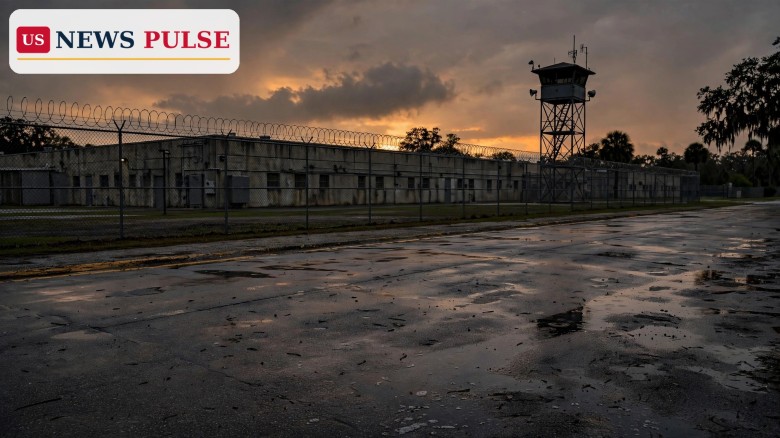
Two men are scheduled to die by lethal injection on Thursday, November 19, 2026, in a rare same-day execution in two states, as Florida executions in November 2026 push the state toward a record-setting year for capital punishment. Thomas Mitchell Overton, 70, is set to be executed at 6 p.m. local time at Florida State Prison in Raiford, in what would be Florida's 20th execution of the year, the most in half a century. Later the same evening, Texas plans to execute Reinaldo Dennes for a murder committed during a planned diamond robbery in 1996.
Key Points
- Thomas Mitchell Overton, 70, is scheduled to be executed in Florida at 6 p.m. on Thursday, November 19, 2026, at Florida State Prison in Raiford.
- It would be Florida's 20th execution this year, the most in 50 years, after the state matched its record of 19 with the November 5 execution of Jesse Guardado.
- Overton was sentenced to death in 1999 for the 1991 murders of Susan and Michael MacIvor in the Florida Keys. He has maintained his innocence for more than 30 years.
- Texas plans to execute Reinaldo Dennes the same evening for the 1996 shooting death of Janos Szucs during a planned diamond robbery. It would be the state's last scheduled execution of the year.
- Dennes's lawyers say prosecutors knowingly used false testimony from a police informant. The courts have refused to order a retrial.
What Happened
Florida and Texas have each set an execution for Thursday, November 19, 2026, putting two men on death row on the same day in two different states. In Florida, Thomas Mitchell Overton is scheduled to be executed at 6 p.m. at Florida State Prison in Raiford. In Texas, Reinaldo Dennes is scheduled to be executed later the same evening. Same-day executions in two states are uncommon, and the pairing has drawn attention because both cases involve long-running claims that the men were wrongly convicted.
The Florida execution would be a milestone: its 20th of 2026, the most in a single year in 50 years, according to CBS News. For Texas, the execution of Dennes would be the last one the state has scheduled for this year, after the November 12 execution of John Allen Rubio.
Background: The Overton Case
Overton was sentenced to death in 1999 for the murders of Susan and Michael MacIvor in the Florida Keys in 1991. Susan MacIvor was eight months pregnant when she died, and the unborn child did not survive. Overton has spent most of the three decades since on death row insisting that he did not commit the murders.
He has maintained his innocence for more than 30 years, alleging that police planted evidence. His claims centre on two points: fingerprints on a possible murder weapon do not match his own, and critical DNA evidence has never been tested. The courts say the claims have been examined and rejected through decades of appeals. On Friday, November 14, the Florida Supreme Court rejected his final motions, including an actual-innocence claim it deemed untimely.
Florida Executions November 2026: A Record Year
Nineteen executions had already been carried out in Florida before Thursday, matching the record set last year, and the November 5 execution of Jesse Guardado brought the state level with that mark. A 20th execution would set a new high for the state in 50 years, covering the modern era of capital punishment since the Supreme Court allowed executions to resume in 1976.
The surge reflects a deliberate policy to move death-row cases forward after years in which executions were far less frequent. Supporters say the men were convicted by juries, have had decades of appeals, and that carrying out the sentences delivers long-delayed justice to victims' families. Critics say the pace increases the risk that a wrongful conviction will be carried out before it can be corrected.
The Texas Case: Reinaldo Dennes
Reinaldo Dennes was convicted in 1997 over a planned diamond robbery in which Janos Szucs was shot dead in 1996. A security guard was also wounded. Dennes has been on Texas's death row for nearly three decades, and his execution would be the last one Texas has scheduled for 2026.
His lawyers say prosecutors knowingly used false testimony from a police informant. If the informant's testimony was false and the prosecution knew it, the fairness of the trial is called into question. The courts have refused to order a retrial. Texas executes by lethal injection at the Huntsville Unit.
Reactions and Legal Arguments
Overton's supporters have focused on the untested DNA and the fingerprints that do not match him, arguing that an execution should not go ahead while evidence that could prove innocence has never been examined. The Florida Supreme Court rejected his final motions as untimely, a ruling his supporters say values procedure over whether the right man is being executed.
Prosecutors and supporters of the executions say both men were convicted by juries, their cases have been reviewed by the courts for decades, and the claims have already been considered and rejected. They point to the victims and their families. Death-penalty opponents say the cases show why the system should move more slowly, because an execution cannot be undone if new evidence later emerges.
Why It Matters
Thursday's double execution would confirm Florida as the most active death-penalty state in America this year, with 20 executions in a single year for the first time in half a century. Both cases also involve the evidence questions at the heart of the debate about wrongful convictions: untested DNA and a fingerprint that does not match in Florida, and allegedly false informant testimony in Texas.
What Happens Next
Overton is scheduled to be executed at 6 p.m. local time on Thursday, November 19, at Florida State Prison in Raiford, and Dennes later the same evening in Texas. Both executions could still be delayed by a late court order or an act of clemency.
Frequently Asked Questions
Who is being executed on Thursday, November 19, 2026?
Thomas Mitchell Overton, 70, in Florida at 6 p.m., and Reinaldo Dennes in Texas later the same evening.
Why is Florida's execution a record?
It would be Florida's 20th execution of 2026, the most in 50 years, according to CBS News.
What does Overton claim about his case?
Overton has maintained his innocence for more than 30 years, alleging police planted evidence. Fingerprints on a possible murder weapon do not match him, and critical DNA was never tested.
What was Dennes convicted of?
Dennes was convicted in 1997 over a planned diamond robbery in which Janos Szucs was shot dead in 1996 and a security guard was wounded. His lawyers say prosecutors knowingly used false testimony from a police informant.
Could the executions still be stopped?
Yes. A late court order or an act of clemency could delay either execution.
Related coverage: Texas Executes John Allen Rubio as Oklahoma Executes James Pavatt Same Day; Trump Slams Newsom's California Death Penalty Plan as Disaster for Justice; John Allen Rubio Execution Set for Today in Texas for 2003 Triple Murder.
© 2026 US News Pulse. All rights reserved.
 Print
 Save