
Union Pacific CEO's Rate Threat Puts $71.5 Billion Norfolk Southern Merger at Risk
A video of Union Pacific chief executive Jim Vena threatening to raise freight rates on shippers who oppose the railroad's $71.5 billion merger with Norfolk Southern has put the biggest rail deal in American history at risk, after the federal regulator warned the remarks could silence the companies whose views it needs to hear. The recording, made at a shipper conference in Houston in March 2026 and released this month, shows Vena telling the audience he would punish opponents of the deal with higher prices.
Key Points
- The video from a Houston shippers' conference shows Vena saying he would raise rates by "three or four extra percent" on merger opponents "to teach you a lesson".
- The Surface Transportation Board ordered the video public in a November 4 decision, after Union Pacific spent months trying to keep it private.
- Rival Canadian Pacific Kansas City petitioned the board on October 30 to terminate the merger review, arguing Vena's conduct tainted the case beyond repair.
- Five shipper groups told the board on October 13 the remarks risk silencing shippers; the board said it has "serious concerns".
- The board extended the comment deadline to November 18, 2026, and could decide in mid-2027.
What Happened
The video was captured at the end of a speech in which Vena set out the benefits of the proposed merger, telling shippers the railroad was willing to make deals and discuss their concerns. He then warned opponents of the tie-up that they would pay for it. "I'll probably increase everybody's rates that said they didn't want a seamless railroad by three or four extra percent to teach you a lesson," he said.
Union Pacific published the video on its website this week after the Surface Transportation Board ordered it made public and told the railroad to submit more documents on the retaliation allegations. The board's November 4 decision followed an October 30 filing by Canadian Pacific Kansas City urging the agency to consider ending the merger review and to make the video public.
The video will now form part of the record as the board continues its review.
Background and Context
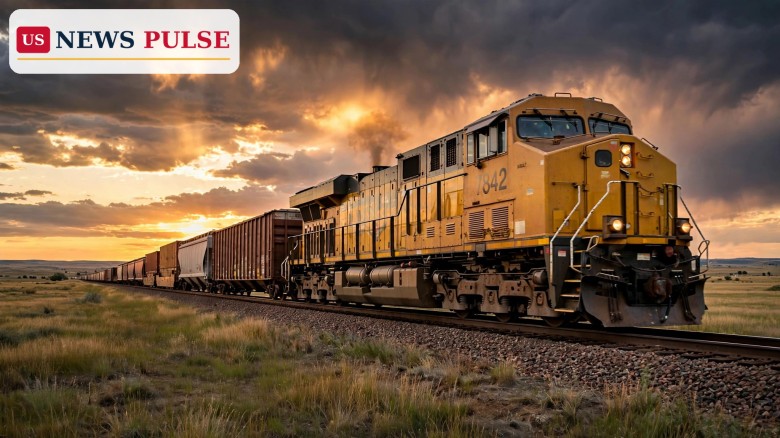
The merger would combine Union Pacific, the largest railroad in the western United States, with Norfolk Southern, its eastern counterpart, to create the first transcontinental railroad in American history. The combined company would run a single network from the Pacific coast to the Atlantic, carrying freight across the country without a rival handoff at the Mississippi River.
Supporters say one coast-to-coast railroad would be faster and more efficient, cutting handoffs and delays for manufacturers, farmers and energy firms that move goods by rail. Opponents, including rival railroads and many shippers who depend on freight rail, say the deal would slacken service and drive up costs, leaving customers with fewer choices and less leverage over prices.
That is why shipper testimony matters so much to the Surface Transportation Board, which must approve the deal. Its review turns on whether the merger serves the public interest, and it needs candid views from the companies that ship by rail. Also read: Trump's Nvidia Stake Grew to as Much as $62 Million, Washington Post Finds.
Union Pacific Norfolk Southern Merger: Why One Tape Could Decide the Deal
A merger review is, at its core, a test of evidence, and the Vena video has become the most damaging piece in this one. The board said earlier in November that it has "serious concerns" the remarks may influence whether affected companies share their views, warning that "retaliation, whether perceived or actual, can seriously undermine the integrity of the Board's processes."
That warning goes to the heart of the case. If shippers believe opposing the merger will cost them money, they may stay silent, leaving the board to judge the deal without the testimony it needs most. The Joint Shipper Associations told the board the remarks threatened "retaliation against opposing shippers" and would "serve to chill shipper voices."
Canadian Pacific Kansas City has gone further, arguing Vena's conduct tainted the case beyond repair and asking the board to end the review. But by ordering the video into the public record, the board has made clear the tape will be judged as part of the case. Also read: Wall Street Closes Mixed Monday: Dow Rises as Nasdaq Falls on Tech Sell-Off.
Reactions and Quotes
Union Pacific insists the remark was an offhand comment at an industry conference and says it does not retaliate against customers. It says a customer's position on the merger does not determine its rates or service quality, and rejects the idea that the video changes anything about the deal.
Shipper groups are not convinced. Five told the board on October 13 that the remarks risk silencing shippers, and the Joint Shipper Associations backed Canadian Pacific Kansas City's appeal to end the review.
"The message is clear: the proceeding must remain transparent, and the public record cannot be displaced by private understandings," Steve Blinn, a senior consultant at PLG Consulting, wrote after the video became public.
The board has chosen its words carefully, but its concern is plain: a regulator that cannot hear shippers cannot judge a merger fairly.
Why It Matters
The stakes go beyond one railroad deal. Freight rail moves roughly a third of American exports and carries the grain, coal, chemicals and containers that keep factories and farms running. If the two biggest networks become one, one company will set the price and reliability of that service for millions of shippers.
The case also sets a precedent for how regulators handle corporate conduct during a review. If a chief executive can threaten a deal's opponents and the review continues unchanged, other companies may conclude such pressure carries no cost.
What Happens Next
The immediate deadline is November 18, 2026, when the board's extended comment period closes. It must then decide on Canadian Pacific Kansas City's request to end the review, and whether the video and shipper filings change its view of the deal.
A final decision could come in mid-2027. Until then, shippers, rivals and investors will watch whether Union Pacific changes its tone, and whether the board's warning about retaliation is followed by action.
Frequently Asked Questions
What did Union Pacific CEO Jim Vena say in the video?
At a Houston shippers' conference in March 2026, Vena said: "I'll probably increase everybody's rates that said they didn't want a seamless railroad by three or four extra percent to teach you a lesson."
Why was the video made public?
The Surface Transportation Board ordered its release in a November 4 decision, after Canadian Pacific Kansas City asked the agency to consider the remarks in the merger review.
What is Canadian Pacific Kansas City asking for?
It petitioned the board on October 30 to terminate the merger review, arguing Vena's conduct tainted the case beyond repair.
What has Union Pacific said in response?
It calls it an offhand comment, says it does not retaliate against customers, and says a customer's merger stance does not determine rates or service.
When will the regulator decide on the merger?
The comment deadline is November 18, 2026, and the board could decide on the $71.5 billion deal in mid-2027.
© 2026 US News Pulse. All rights reserved.
 Print
 Save