
CDC Blocked Measles Alert for Pregnant Women, Scientists Reveal - US News Pulse
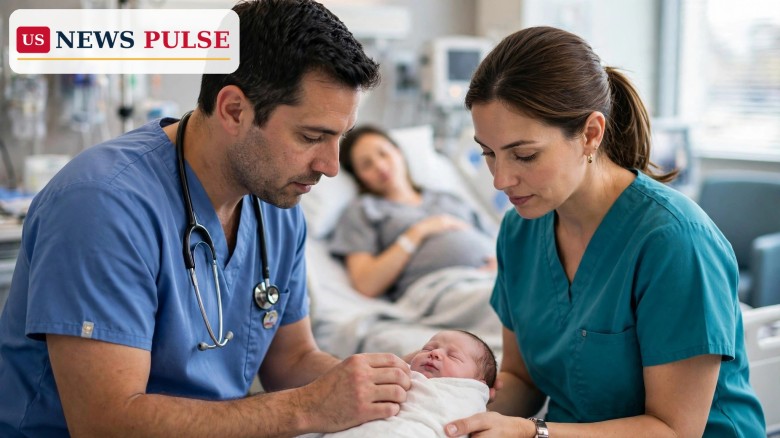
Centers for Disease Control and Prevention scientists tried in September to warn American doctors that measles was reaching pregnant women and their newborn babies. The warning never went out. The CDC director's office did not approve the Health Alert Network notice, and the scientists instead published their findings in an outside medical journal on Monday, November 16, 2026, revealing the first national count of measles in pregnancy: 112 women infected and at least 13 babies born carrying the virus.
Key Points
- CDC scientists sought a Health Alert Network warning about measles in pregnancy in September, but the CDC director's office did not approve it.
- The findings were published on November 16, 2026, in NEJM Evidence, an outside journal, instead of through a CDC channel.
- From January 2025 through September 28, 2026, 112 pregnant women in the United States had measles, most of them unvaccinated.
- At least 13 babies were born infected with measles in the past two years, the first national count of congenital measles in this outbreak.
- Nearly one in four of the women was hospitalised for complications, one needed intensive care, and two lost their pregnancies.
What Happened
The scientists wanted clinicians to know what they were seeing. Measles in pregnancy can turn into pneumonia or respiratory failure, force an early delivery, and can end a pregnancy. A baby infected in the womb can be born already carrying the virus, a condition known as congenital measles, which can seriously harm a newborn.
The Health Alert Network is the CDC's system for sending urgent clinical guidance to doctors, hospitals and health departments. The warning was prepared in September and was not approved by the CDC director's office, according to the Washington Post, which first reported the blocked alert on November 16. Rather than wait, the scientists published in NEJM Evidence, in part to avoid further delays or political interference, and doctors learned the figures two months later than they could have.
Background and Context
The blocked warning arrived in the middle of the worst measles year in the United States in decades. The country has recorded more than 5,000 measles cases and 10 deaths in 2026, and the Pan American Health Organization was expected this week to announce the loss of the United States' measles-elimination status, held for more than a quarter of a century.
Measles spreads through the air and is among the most contagious viruses known. The vaccine is highly effective, and most of the pregnant women counted in the new report were unvaccinated. Nearly one-quarter of the 112 women were hospitalised for complications unrelated to labour, such as pneumonia and respiratory failure. One woman needed intensive care, some delivered early, and two lost their pregnancies. Outcomes for 56 of the 112 women were still unknown.
CDC Measles Alert Blocked: What Doctors Were Not Told
The warning prepared in September would have told clinicians that measles was now a pregnancy issue, not only a childhood one. It would have flagged the signs that matter most: a fever and rash in a pregnant patient who may not have been vaccinated, a recent exposure to a known case, and the need to test quickly and isolate the patient so the virus does not spread in a maternity ward.
It would also have carried the numbers: 112 infections in pregnancy, 13 babies born infected, and hospitalisations running at about one in four. Health officials have not said publicly why the alert was not approved. The Department of Health and Human Services said its researchers chose an external journal early to reach clinicians quickly, which avoids the approval question. The same figures appeared in the study that documented the first babies born with measles in the United States in decades, but that report did not include the story of the warning that never reached doctors.
Reactions and Quotes
Michael Osterholm, director of the University of Minnesota's infectious-disease research centre, which worked on the alert, described the findings in stark terms. "This is a brand new phenomenon," he said, referring to babies being born already infected with measles in the current outbreak.
Experts called it unusual for CDC scientists to publish in an outside journal rather than the agency's own journal. The choice was deliberate: the scientists published outside the CDC in part to avoid further delays or political interference. The CDC director's office has not publicly commented on the approval decision.
Why It Matters
A blocked warning is not an abstract failure. A doctor who knows that measles is circulating among pregnant patients can ask about vaccination status at a first prenatal visit, can test a pregnant patient with fever and rash rather than assuming a common virus, and can move fast to protect a newborn whose mother was infected close to delivery.
The stakes are highest for the babies. Thirteen were born already infected, and the true number may be higher, because congenital cases can be missed when a rash is mistaken for something else or the mother's infection was never diagnosed. Babies infected around birth also face a higher risk of a rare, progressive and almost always fatal brain disorder that can emerge seven to ten years later. The loss of measles-elimination status already showed the outbreak had outrun the country's defences; the blocked alert shows the warning system itself was part of the problem.
What Happens Next
The Pan American Health Organization was expected this week to formally announce the loss of United States measles-elimination status. The CDC will keep publishing weekly case updates, which will show whether the outbreak is still growing, and whether more pregnancy and congenital cases are being reported.
Doctors urge women of childbearing age to check their immunity before becoming pregnant. Whether the blocked alert is ever issued, and whether the approval process for urgent warnings changes, remains unanswered. The measles death toll in 2026 stands at 10, and every week of delay is a week in which a pregnant patient can walk into a clinic with a fever and a rash and not be recognised as a measles case.
Frequently Asked Questions
What is congenital measles?
Congenital measles happens when a pregnant woman passes the measles virus to her fetus in the womb, so the baby is born already infected. It can cause serious complications or death for newborns.
How many pregnant women have had measles?
CDC scientists reported 112 confirmed measles cases during pregnancy from January 2025 through September 28, 2026. Most were unvaccinated, and 56 pregnancy outcomes were still unknown.
Why was the CDC alert blocked?
CDC scientists sought to warn clinicians through the Health Alert Network in September, but the alert was not approved by the CDC director's office. No public reason has been given.
How dangerous is measles during pregnancy?
Nearly one-quarter of the 112 women were hospitalised for complications unrelated to labour, such as pneumonia and respiratory failure. One woman needed intensive care, some delivered preterm, and two lost their pregnancies.
What should pregnant women do?
Doctors urge women of childbearing age to check their measles immunity before becoming pregnant, and to tell a clinician quickly about any fever and rash, or any known exposure to measles.
© 2026 US News Pulse. All rights reserved.
 Print
 Save