
Europe Holiday Terror Threat: US Embassies Warn Americans to Stay Alert
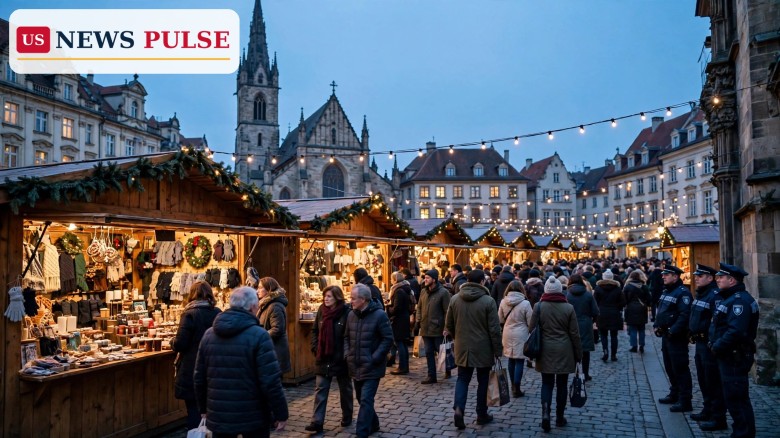
United States embassies across Europe warned American citizens on Monday, November 16, 2026, that terrorists could strike holiday gatherings and crowded public places as the festive season approaches, urging travellers to stay alert in Christmas markets, transport hubs, malls and places of worship.
The coordinated alert, issued by missions from London to Tallinn, says large gatherings and public events may present a "target of opportunity" for terrorist groups and criminals, and that attackers, including lone actors, may strike with little or no warning. It names no plot, city or date, and changes no advisory level.
Key Points
- US embassies across Europe, including London, Berlin, Madrid, Tallinn and Pristina, issued a coordinated security alert on Monday, November 16, 2026, warning Americans of possible terror attacks.
- Large gatherings and public events may present a "target of opportunity" for terrorist groups and criminals; terrorists, including lone actors, may attack with little or no warning.
- It names markets, transport hubs, malls, places of worship and other public areas as possible targets, but no specific plot, city or date.
- No advisory level has changed: France, Spain, Italy, Germany and the UK remain at Level 2, "exercise increased caution".
- Americans abroad should enrol in the State Department's Smart Traveler Enrollment Program (STEP) for security updates.
What Happened
On Monday, November 16, 2026, US embassies across Europe posted a coordinated, nearly identically worded security alert for American citizens. Missions in London, Berlin, Madrid, Tallinn and Pristina were among those issuing the warning, with similar wording at other posts.
The alert says terrorists, including lone actors, may attack with little or no warning, targeting tourist locations such as markets, transport hubs, shopping malls, places of worship and other public areas. It warns that large gatherings and public events may present a "target of opportunity" for terrorist groups and criminals, putting Europe's Christmas-market crowds squarely in focus as the season opens.
The notice also warns of disruption to travel and daily life, noting strikes and demonstrations have grown more frequent, and citing hoax bomb threats that disrupted civil aviation in several European countries in November. Americans are urged to monitor local news, check with airlines and enrol in STEP.
Background and Context
The warning lands after a month of disruption to European aviation. A third wave of hoax bomb threats hit European flights in early November, scrambling fighter jets to escort planes to land, and an earlier wave saw six aircraft searched after bomb threats, with no explosives found. The hoaxes rattled airlines and passengers just as holiday travel began.
It follows a pattern of US embassy warnings this autumn. At the end of October, the US mission in Saudi Arabia ordered non-emergency government staff and their families to leave after attacks on civilian airports. The Europe-wide alert is broader: it covers a whole continent at the start of its busiest festive season. Europe's Christmas markets draw millions into crowded squares, where security has been tightened in recent years with barriers, bag checks and heavier police patrols.
Europe Holiday Terror Threat: What Americans Should Know
For Americans in Europe or planning a holiday trip, the practical advice is straightforward. Stay aware of your surroundings in crowded places, particularly markets, stations, malls and places of worship. Have an exit plan in mind in a crowded square or hall, and avoid lingering near entrances where crowds bunch.
Monitor local news and follow local authorities' instructions. Check with airlines before heading to the airport: recent hoax bomb threats have caused delays and diversions with little notice. Avoid demonstrations, keep a low profile, and enrol in STEP, the free Smart Traveler Enrollment Program, which lets the nearest US embassy reach you with security updates in an emergency.
The alert does not tell Americans to cancel their trips. With advisory levels unchanged, the message is to travel, but to travel alert: enjoy the markets, and remember that crowded celebrations are exactly the kind of soft target terrorists look for.
Reactions and Quotes
The alert itself is the statement: a coordinated warning, posted in nearly identical words by embassies across the continent, not a comment from one official. Its key lines are blunt. Large gatherings and public events, it says, "may present a target of opportunity for terrorist groups and criminals", and terrorists, including lone actors, "may attack with little or no warning".
The State Department's standing advice for the countries named remains "exercise increased caution", the definition of a Level 2 travel advisory. No embassy has announced a change, and no government has ordered Americans to leave Europe or avoid any city. European governments have issued no matching continent-wide warning, and no capital has announced new restrictions on Christmas markets or gatherings in response.
Why It Matters
Millions of Americans visit Europe over the holidays, and the Christmas markets are the season's centrepiece. A warning naming those crowds directly will shape how families plan trips, which cities they choose and how they move through them. It also matters for what it does not say: naming no plot, city or date, it avoids panic while putting Americans on notice, and leaving advisory levels unchanged, Washington signals the risk is real enough to warn about but not so specific that travel should stop. That balance, warn but do not alarm, is the point of a security alert, and why the message deserves to be taken seriously.
What Happens Next
Europe's Christmas markets open in late November and run through Christmas, drawing their biggest crowds in the weeks ahead. US embassies will update guidance through STEP and social media if the picture changes, and any specific threat would trigger a targeted alert naming the place and the risk. Americans planning travel should check the embassy page for each country they will visit before they go, and again while there. Advisory levels are reviewed regularly, and any change would be posted the same way this alert was. For now, the advice is to enrol in STEP, stay aware in crowds, and keep holiday plans, with caution built in.
Frequently Asked Questions
Is there a specific terror plot behind the warning? No. The alert names no specific plot, city or date. It is a general warning that holiday gatherings and crowded places could be targeted.
Has the US travel advisory level for any European country changed? No. France, Spain, Italy, Germany and the United Kingdom remain at Level 2, "exercise increased caution".
Which places does the alert name? Markets, transport hubs, shopping malls, places of worship and other public areas, and large gatherings and public events.
What is STEP, and should I enrol? The Smart Traveler Enrollment Program is a free State Department service. Enrolling lets the nearest US embassy send security updates and reach you in an emergency. The alert urges all Americans abroad to sign up.
Should Americans cancel their trips to Europe? The alert does not tell people not to travel. It urges vigilance: stay aware in crowds, monitor local news and check with airlines before flying.
© 2026 US News Pulse. All rights reserved.
 Print
 Save