
Iran Says It Shot Down Two US Drones as Three More Tankers Hit Mines in Hormuz
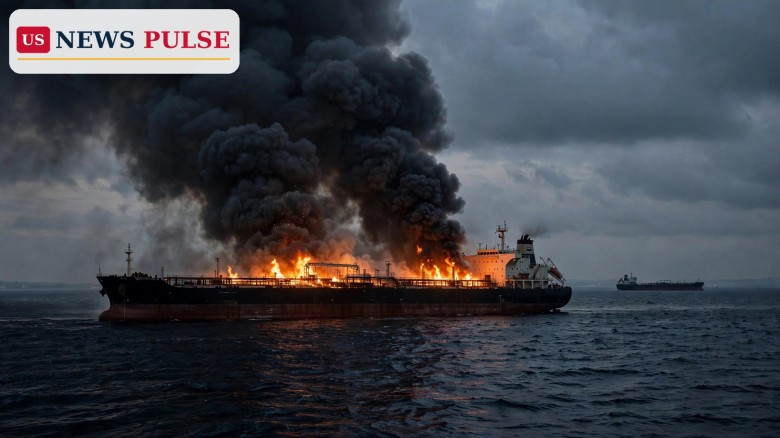
Iran claimed on Tuesday that it shot down two American drones over the Strait of Hormuz and that three more oil tankers struck naval mines in the world's busiest oil shipping lane. The claims have not been independently verified, and the United States did not immediately confirm them.
The announcement came as the war in the Gulf entered its ninth month. If confirmed, losing an MQ-1 Predator and a LUCAS drone would be one of the heaviest single-day losses of American uncrewed aircraft since the conflict began.
Key Points
- Iran's Revolutionary Guard said it destroyed a US MQ-1 Predator south of Qeshm Island at about 1:45 p.m., calling it the 18th MQ-1 it claims to have downed.
- Iran's Army separately said it shot down a US-made LUCAS drone over the Strait of Hormuz.
- Iran's navy said a supertanker and a liquefied petroleum gas carrier caught fire after striking mines, and a third tanker was later reported on fire.
- One ship reportedly carried two million barrels of crude oil. None of the claims has been independently verified.
- Iran warned shipping firms against using the southern route through the strait, calling it "an iron and fiery wall of mines".
What Happened
Iran's Revolutionary Guard Aerospace Force said on Tuesday, November 17, 2026, that it destroyed an American MQ-1 Predator reconnaissance drone south of Qeshm Island, using what it called a new advanced air defence system. The Guard said the drone came down at about 1:45 p.m. local time and claimed it was the 18th US MQ-1 it has downed since the war began.
Separately, Iran's Army said it shot down a US-made LUCAS drone — a Low-cost Uncrewed Combat Attack System — over the Strait of Hormuz. The LUCAS is a relatively new, low-cost American combat drone.
The Guard's navy then reported a new round of mine strikes. It said a supertanker and a liquefied petroleum gas carrier caught fire after striking naval mines, one reportedly carrying two million barrels of crude oil, and a third tanker was later reported on fire. The vessels' names, flags and crews were not immediately clear.
Background: A War in Its Ninth Month
The United States and Iran have been at war since February 28, 2026. The narrow waterway carries about a fifth of the world's seaborne oil.
Just a day earlier, at least four tankers were damaged in and around the strait within 24 hours. Iran's Guard navy said two tankers struck mines and caught fire on a route Tehran considers unauthorised, while Iran's regular navy said a third tanker caught fire after striking a mine east of the strait. Britain's maritime trade agency separately reported two tanker attacks on Monday.
Iran has claimed a string of US drone shootdowns during the war. On October 29, it said it downed an MQ-1 east of the strait off Sirik, calling it the 14th such kill, and earlier this month it claimed two LUCAS drones over Bandar Khamir. Washington has rarely confirmed or denied individual drone losses, and independent verification has been scarce.
Iran Shoots Down US Drones: What the Claims Mean for the Strait of Hormuz
The two drone claims point to different parts of Iran's air defences. The MQ-1 Predator is a long-serving American reconnaissance and strike aircraft, and Iran said a new advanced air defence system brought it down south of Qeshm. The LUCAS is a cheap, expendable combat drone built to fly in large numbers, so its loss says less about one aircraft than about the density of Iranian defences over the strait.
The mine claims matter differently. Mines are cheap, hard to clear and frightening to insurers, and each strike pushes up the cost of moving oil through the Gulf. The US military said in late October it had cleared the strait's primary transit routes of mines, a claim Iran's navy now challenges.
Reactions and Quotes
Iran's Guard navy warned shipping companies not to trust what it called the "lies of US officials" about the safety of the strait.
There was no immediate response from the US military or the White House. Washington has generally declined to confirm individual drone losses, and US officials have previously rejected Iranian accounts of tanker attacks that Washington attributes to Tehran. The claims also come days after Iran said its forces attacked a US-operated radar facility at Sheikh Isa Air Base in Bahrain for the third time in four days; US officials said those drones were intercepted, with no damage to American equipment or personnel, in a separate exchange reported earlier this week.
Why It Matters
The Strait of Hormuz is the hinge of the global oil market. Roughly a fifth of the world's seaborne crude passes through it, and every mine strike or drone shootdown raises the price of moving that oil — through higher insurance, longer routes, or ships refusing the voyage. Oil prices have spiked repeatedly during the war, and American drivers have felt it at the pump.
For the United States, the claims raise a harder question about the cost of the air war over the Gulf. Uncrewed aircraft were meant to let Washington watch and strike without risking pilots, but the claimed shootdowns suggest Iran's defences are adapting. For the tankers' crews, the stakes are immediate and personal: seafarers working far from home, caught between the mines and the missiles.
What Happens Next
The next test is whether the United States confirms or denies the drone losses. Washington has sometimes stayed silent for days after Iranian claims. Watch the sea, too: if the US Navy steps up mine-clearing patrols or tanker escorts, it signals Washington takes the mine threat seriously, and if shipping firms reroute in larger numbers, oil markets will react within hours.
The diplomatic track remains frozen. Talks mediated by Qatar stalled earlier this month, and nothing in Tuesday's claims suggests either side is looking for an off-ramp.
Frequently Asked Questions
Did Iran really shoot down two US drones?
Iran claims it did: an MQ-1 Predator south of Qeshm Island and a LUCAS drone over the Strait of Hormuz, both on Tuesday, November 17, 2026. Neither claim has been independently verified, and the United States has not confirmed either loss.
What is the LUCAS drone?
LUCAS stands for Low-cost Uncrewed Combat Attack System, a relatively new and inexpensive American combat drone built to fly in large numbers. Iran has claimed to down LUCAS aircraft before, including two over Bandar Khamir earlier in November.
How many tankers have been hit?
At least four tankers were damaged in the 24 hours before Tuesday's claims, and Iran says three more were hit by mines on Tuesday. Shipping monitors counted 17 confirmed incidents in the strait this month.
Is the Strait of Hormuz closed?
No. Traffic is still moving, but insurers have raised war-risk premiums sharply, some owners are rerouting, and Iran has warned ships off the southern route. The US military said in late October it had cleared the strait's main transit routes of mines.
What happened on Qeshm Island?
Residents reported several explosions and smoke over Qeshm, the large Iranian island at the strait's narrowest point, according to Iran's Fars news agency. Tuesday's explosions were not immediately explained.
© 2026 US News Pulse. All rights reserved.
 Print
 Save