
Energy Department Orders Campbell Coal Plant Open a Seventh Time Despite Court Ruling
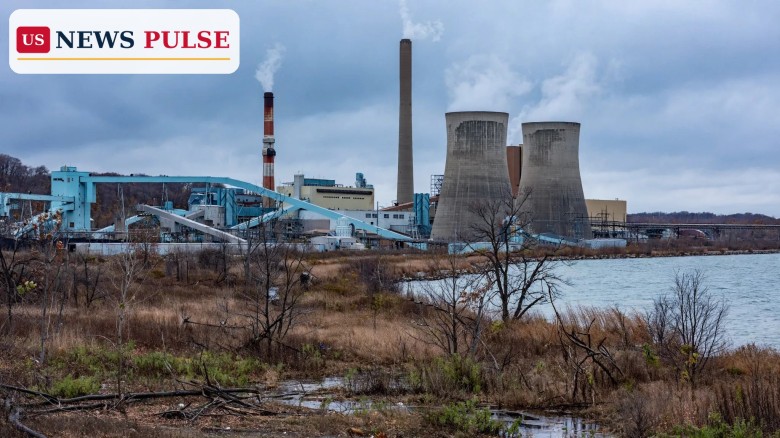
The U.S. Department of Energy has ordered Michigan's J.H. Campbell coal plant to keep running through February 12, 2027, issuing a seventh emergency order that directly defies a federal appeals court ruling which vacated the last one. Signed late Friday, November 13, 2026, and effective Sunday, November 15, the order keeps the 1,420-megawatt plant in West Olive operating more than 20 months after its planned retirement.
The directive, Order No. 202-26-51, invokes Section 202(c) of the Federal Power Act, the emergency authority the department has used repeatedly to override planned coal retirements. It instructs grid operator MISO and majority owner Consumers Energy to keep Campbell generating, despite a unanimous D.C. Circuit panel ruling in September that the department had exceeded its authority.
Energy Secretary Chris Wright says the plant is needed to prevent blackouts and preserve reliable, secure electricity for Michigan. Critics, including the Sierra Club and Michigan's attorney general, say the orders have already cost ratepayers hundreds of millions of dollars.
Key Points
- The Energy Department issued Order No. 202-26-51 late Friday, November 13, 2026, running November 15 to February 12, 2027 — the seventh emergency order keeping Campbell open.
- It is the first new order since the D.C. Circuit unanimously vacated the previous one on September 11, 2026, ruling the department exceeded its authority and no real emergency existed.
- The 1,420-megawatt, 64-year-old plant in West Olive was due to retire on May 31, 2025. It is now operating more than 20 months past that date.
- Michigan's attorney general reported about $295 million in costs to keep Campbell running from May 2025 to June 30, 2026.
- The department disagrees and has petitioned for a rehearing before the full court. The case could reach the Supreme Court.
What Happened
The seventh order arrived quietly at the end of last week. Signed late on Friday, November 13, it took effect on Sunday, November 15, and runs for almost three months, through February 12, 2027. It is the latest emergency directive under Section 202(c) of the Federal Power Act.
The order is addressed to MISO, the grid operator for much of the Midwest, and to Consumers Energy, the plant's majority owner. What makes it different is the court ruling before it: on September 11, 2026, a unanimous D.C. Circuit panel vacated the department's earlier order. Judge Cornelia Pillard held that the department had exceeded its authority and that there was no real emergency. The new order is the department's answer: it has asked the full court to rehear the case and ordered the plant to keep running anyway.
Background: A Plant That Was Supposed to Close
The J.H. Campbell plant has generated electricity on the Lake Michigan shore for 64 years. Consumers Energy, its majority owner, planned to retire it on May 31, 2025, as part of a shift away from coal agreed with Michigan regulators years earlier. Its age and costs pointed the same way: closure.
The Energy Department intervened before the retirement date, issuing the first of its emergency orders and renewing them through 2025 and into 2026. By the time the sixth order expired, Campbell had operated for well over a year past its planned closure, with Michigan ratepayers carrying the cost.
Campbell Coal Plant and the Court Fight Over Emergency Powers
The legal fight turns on what Section 202(c) of the Federal Power Act actually allows. The provision gives the Energy Department emergency powers to order a plant to keep operating, but the D.C. Circuit held those powers are a narrow, last-resort tool, not a substitute for state reliability planning.
Judge Pillard's opinion was blunt about the limits of that authority. Emergency powers, she wrote, are "a narrow last-resort tool, not a substitute for state reliability planning." The department has not accepted that finding. It has petitioned for a rehearing before the full D.C. Circuit, which is still pending. Environmental groups say the department is ignoring the court's guidance.
Reactions
Secretary Wright has defended the orders as a matter of keeping the lights on. He has said the plant is needed to prevent blackouts and to preserve reliable, secure electricity for Michigan homes and businesses.
The critics' case is built on money as much as on law. Michigan's attorney general reported that keeping Campbell running cost about $295 million between May 2025 and June 30, 2026, money that falls on the state's electricity customers. A Sierra Club tracker puts the cost of the administration's fossil-fuel plant orders in six states at more than $600 million, with over half of that total coming from Campbell alone.
Why It Matters
Campbell is no longer just a Michigan story. The department has issued similar emergency orders for fossil-fuel plants in six states, and the D.C. Circuit's ruling was the first serious judicial check on the practice. If the seventh order stands, the administration will have shown it can keep plants running by issuing a fresh order each time a court strikes the last one down.
The costs are also becoming hard to ignore. At roughly $295 million in just over a year for a single plant, the Campbell orders are among the most expensive reliability measures in the country, and the bill lands on ratepayers rather than the federal government. Power cuts elsewhere show how fragile the grid can feel, as in our report on the Puget Sound outages.
What Happens Next
The seventh order runs through February 12, 2027. Before it expires, the full D.C. Circuit will rule on the department's request for a rehearing, and if that fails, the department may ask the Supreme Court to take the case. Michigan will keep challenging the costs, and Consumers Energy must decide how much longer to operate a plant it planned to retire.
Winter will be the real test of the department's argument. If the grid holds through the cold months, the claim of an emergency will be harder to sustain. Energy shocks elsewhere, from the gas field attack that cut two-thirds of Kurdistan's power, show how quickly electricity becomes a political question.
Frequently Asked Questions
What is the J.H. Campbell coal plant?
A 1,420-megawatt coal-fired power plant in West Olive, Michigan, on the Lake Michigan shore. It is 64 years old and majority-owned by Consumers Energy.
Why was the Campbell plant supposed to close?
Consumers Energy planned to retire it on May 31, 2025. Emergency orders have kept it running ever since.
What did the federal appeals court rule?
On September 11, 2026, a unanimous three-judge panel of the D.C. Circuit vacated the earlier order, holding the department had exceeded its authority and that no real emergency existed.
How much has keeping the plant open cost?
About $295 million from May 2025 to June 30, 2026, per Michigan's attorney general.
What happens when the new order expires on February 12, 2027?
It could issue an eighth order, let the plant close, or see the case decided by the courts before then.
© 2026 US News Pulse. All rights reserved.
 Print
 Save