
Iran Says It Shot Down a US MQ-9 Reaper Drone East of the Strait of Hormuz
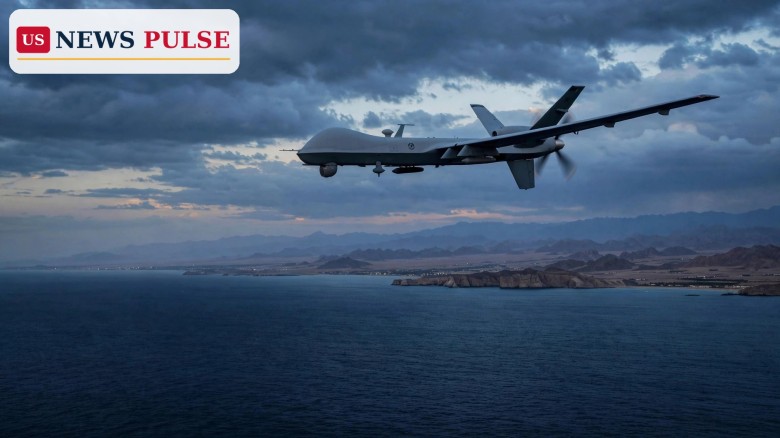
Iran's Army said on Wednesday, November 18, 2026, that its air defence units shot down an American MQ-9 Reaper drone east of the Strait of Hormuz, in the latest strike against US unmanned aircraft in a war now in its ninth month. The claim, carried by Iran's state news agency IRNA, has not been confirmed by the United States, and no wreckage or independent evidence has been shown.
Key Points
- Iran's Army said its Air Defense Force detected and destroyed a US MQ-9 Reaper east of the Strait of Hormuz with what it called domestically developed systems.
- The announcement came from the Army's Public Relations Office and was published by IRNA at 11:54 GMT on Wednesday, November 18.
- It came a day after the Revolutionary Guard said it destroyed a US MQ-1 drone south of Qeshm Island, which it said brought its claimed MQ-1 total to 18.
- The United States has not confirmed the claim, and no independent verification has been published.
- The claim lands in a week of escalation: a US strike on Qeshm Island, Iran's claim of hitting Patriot systems in Kuwait, and at least five vessels hit in or near the strait.
What Happened
According to the Army, air defence units in the southeast detected the drone and brought it down east of the strait, one of the world's most important oil lanes. The Army said it was destroyed with domestically developed systems. IRNA published the announcement at 11:54 GMT, and Press TV carried it too.
The MQ-9 Reaper is an armed reconnaissance drone used by the United States military for surveillance and strikes. It is larger and more heavily armed than the MQ-1 Predator, the type Iran said it shot down the day before. Iran did not say where exactly the MQ-9 fell, what weapon was used, or whether any debris was recovered. It also did not say whether the drone was armed or what mission it was flying.
Background and Context
The war between the United States, Israel and Iran began on February 28, 2026, with a joint American-Israeli attack that killed Iran's top leader. A fragile ceasefire has formally held since April, but both sides have traded fire repeatedly, and the Strait of Hormuz, carrying roughly a fifth of the world's oil, has become the war's most contested waterway.
The claim follows a string of Iranian claims. On Tuesday, the Revolutionary Guard said it destroyed an MQ-1 south of Qeshm Island, its 18th claimed MQ-1 kill. On October 29, Iran said it downed another MQ-1 east of the strait, its 14th. Earlier in November, the Guard also claimed an MQ-9 destroyed east of the strait. The United States has confirmed none of them, and the Pentagon has previously dismissed similar claims as false. This week the US struck a Guard missile site on Qeshm after Iran attacked an American base in Bahrain, Iran claimed its drones hit Patriot defences at Kuwait's Ali Al Salem base, and at least five commercial vessels have been hit in or near the strait.
Iran Shoots Down US MQ-9 Drone: The Claim in Detail
What sets this claim apart is the claimant and the aircraft. Tuesday's MQ-1 claim came from the Revolutionary Guard, Iran's parallel military force. Wednesday's came from the regular Army, through its Public Relations Office, and concerned the MQ-9, the larger and more capable of the two American drone types over the Gulf.
Iran also stressed that the shootdown used domestically developed systems, a detail Tehran repeats as proof its air defences are self-sufficient despite sanctions. The Army did not name the system or say whether the drone was hit by a missile or electronic warfare. For now, the claim rests entirely on Iran's word: no wreckage photos, no American acknowledgement, no independent tracking data. That does not make it false, but it cannot be treated as fact until Washington responds or evidence emerges.
Reactions and Quotes
The Army's announcement, as carried by IRNA, said its air defence units had "detected and shot down" the American drone east of the Strait of Hormuz and destroyed it with domestically developed systems. Press TV described the aircraft as a US MQ-9 Reaper destroyed in the country's southeast.
The United States has not confirmed the claim. In the sources reviewed, there was no statement from the Pentagon, US Central Command or the White House about the MQ-9. When Iran made similar claims earlier in the war, Central Command dismissed them as false and said all American unmanned aircraft in the region were accounted for, but that was a response to the earlier claims, not to Wednesday's announcement.
Why It Matters
The claim matters because the MQ-9 is one of the main tools the United States uses to watch the Strait of Hormuz, and the strait carries a large share of the world's oil. Every Iranian claim of a shootdown, confirmed or not, adds to the sense that American aircraft fly in contested skies, and gives Tehran a story at home about standing up to a far stronger military.
The claims are also coming faster: two drone claims in two days, on top of the Qeshm strike, the Bahrain attack, the Kuwait Patriot claim and the tanker attacks. Oil markets have reacted, with Brent crude above $114 a barrel and insurers charging up to 10 percent of a vessel's value for war-risk cover.
What Happens Next
The first test will be the American response. If the Pentagon confirms the loss, that settles the question and raises the stakes. If it denies the claim, as before, the episode joins a long list of disputed claims. Silence would leave it unresolved. The second test comes on Thursday, November 19, when President Donald Trump holds bilateral talks and a first-ever three-way meeting with China's Xi Jinping and Russia's Vladimir Putin in Shenzhen, with Hormuz hanging over the talks.
Frequently Asked Questions
What did Iran claim on Wednesday?
Iran's Army said its air defences shot down a US MQ-9 Reaper east of the Strait of Hormuz, using domestically developed systems. IRNA published it at 11:54 GMT on November 18.
Has the United States confirmed the shootdown?
No. No Pentagon, Central Command or White House confirmation appeared in the sources reviewed, and no wreckage or independent evidence has been published.
What is an MQ-9 Reaper?
The MQ-9 Reaper is an American reconnaissance drone, larger and more heavily armed than the MQ-1 Predator, used for surveillance and strikes over the Gulf.
How does this claim differ from Tuesday's?
On Tuesday, the Revolutionary Guard said it shot down a US MQ-1 south of Qeshm Island, its 18th claimed MQ-1 kill. Wednesday's claim came from the regular Army, about a larger MQ-9, east of the Strait of Hormuz.
Why is the Strait of Hormuz so important?
Roughly a fifth of the world's oil passes through it. Fighting there raises shipping insurance, forces tankers onto longer routes, and can push up global oil prices.
Read more: Iran Says It Shot Down Two US Drones as Three More Tankers Hit Mines in Hormuz | Iran Claims Drones Hit US Patriot Defences at Kuwait Air Base | US Strikes Iran's Qeshm Island Again as Strait of Hormuz War Escalates
© 2026 US News Pulse. All rights reserved.
 Print
 Save