
Trump Grows Frustrated With Vance Over Iran War Blame After Midterms, NYT Reports
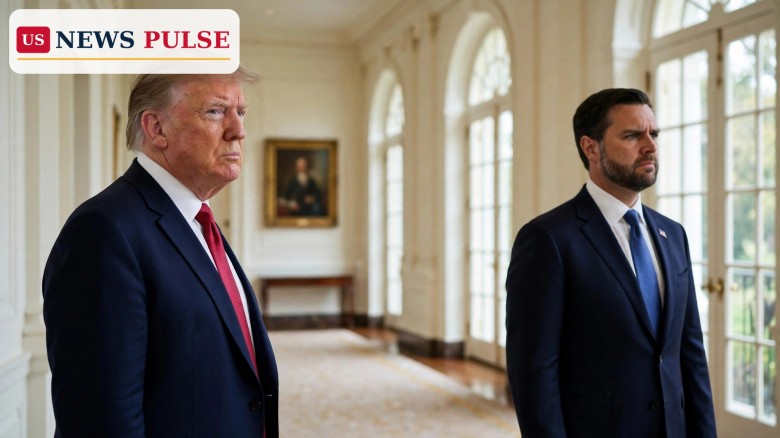
The New York Times reported on Wednesday, November 18, 2026, that President Donald Trump has grown increasingly frustrated with Vice President JD Vance over the vice-president's post-election analysis blaming the war with Iran for the Republicans' sweeping midterm losses. What began as a public shrug from the president has, over the past two weeks, turned into private complaints to aides and allies, according to the report, opening the most visible rift yet between the two men.
Key Points
- The New York Times reported on Wednesday, November 18, that President Donald Trump has grown frustrated with Vice President JD Vance over his claim that the Iran war cost Republicans the midterm elections.
- Trump at first appeared unfazed, saying "I think it's largely true", but he has since complained to aides that Vance should have said the president made the right decision in going to war with Iran.
- Vance told Fox News the United States should not be drawn into another endless war and that "the reason we lost is because of the war".
- Trump sees Vance's framing as disloyalty to his claim that the war was a success, the Times reported, and the tension matters because Vance is considering a 2028 presidential run.
- Trump already removed Vance from the Iran negotiating team on November 12, 2026, telling him to focus on domestic affairs after Vance blamed the war for the defeat.
What Happened
According to the Times, Trump was initially relaxed about Vance's blunt assessment of the midterm results. When Vance first said the war explained the Republican losses, the president told people he thought the analysis was largely right. But as Vance repeated the argument in public, Trump's patience wore thin. Over the past two weeks, the president has told aides and allies that his vice-president should have used the moment to defend the decision to go to war, not to blame it for the party's defeat.
The story lands at a delicate moment for both men. Trump is in China for the APEC leaders' meeting in Shenzhen, for talks with Xi Jinping and a first-ever three-way meeting with Xi and Russian President Vladimir Putin. Vance, meanwhile, is weighing whether to run for president in 2028.
Background and Context
The friction has been building since the midterm elections on November 3, 2026, when Democrats swept to victory and took control of both chambers of Congress. Vance was quick to offer an explanation, arguing that voters had punished Republicans for the war, a conflict that began on February 28, 2026. The disagreement had already produced a concrete consequence before the Times report: on November 12, Trump said that the United States did not need a deal with Iran and ordered Vance, his lead negotiator, to stand down from the Iran talks and focus on domestic affairs.
Vance had spent months as the administration's top Iran negotiator, opening a channel to Mohsen Rezaei, Iran's top security official. His political future has been openly in question since the midterms: CNN reported on November 13 that the vice-president, 42, has given serious consideration to not running for president in 2028, with allies saying the Iran war looms largest over that choice.
Trump Frustrated With Vance: A Rift Over the Iran War
The Trump frustrated with Vance story is, at its core, a fight over who gets to define what the war meant. Trump has built his case for the conflict on the claim that it was necessary and successful, a demonstration of American strength that crippled Iran's nuclear programme and reasserted control of the Strait of Hormuz. Vance's version is the opposite: a costly, open-ended entanglement that voters rejected at the ballot box.
The rift also exposes a fault line inside the Republican Party. Vance's argument is popular with the wing of the party that opposed a long war from the start. Trump has been asking Oval Office visitors whether Vance or Secretary of State Marco Rubio would be the stronger candidate in 2028, and he has not said he will endorse Vance.
Reactions and Quotes
Trump's first public reaction to Vance's analysis was notably calm. "I think it's largely true," he said when Vance first blamed the war for the midterm defeat. The Times reported that his mood has since changed, and that he has complained privately that Vance should have defended the decision to go to war instead. Vance has stood by his assessment, saying in his Fox News interview that the United States should not be drawn into another endless war: "The reason we lost is because of the war."
Former Vice President Mike Pence, speaking on NBC's Meet the Press on November 15, pushed back on Vance's reading of the election. "He's a good man but Vice President Vance is wrong," Pence said, arguing that the reasons for the Republican losses were "much more complex" than the war alone. The Times report described no public response from the White House or Vance's office.
Why It Matters
The dispute matters because it goes to the heart of how the Republican Party explains its worst election night in years. If Vance is right, the war was the decisive factor, and the party's path back runs through ending it. If Trump is right, the war was a success and the losses came from elsewhere. It matters, too, because of what it says about the 2028 race: Vance entered the year as the early favourite to succeed Trump, but his connection to an unpopular war and the president's visible frustration have weakened that position, while rivals are already moving.
What Happens Next
Vance has said he will not decide on a 2028 run until after the new year, and he could wait until late spring. That leaves months in which the relationship with Trump could heal or harden further. Trump, meanwhile, is focused on his meetings in Shenzhen, including the trilateral session on Thursday, November 19.
Frequently Asked Questions
Why is Trump frustrated with JD Vance?
According to The New York Times, Trump has grown frustrated because Vance has publicly blamed the Iran war for the midterm losses, while the president believes the war was the right decision.
What did Vance say about the Iran war?
Vance said in a Fox News interview that the United States should not be drawn into another endless war and that "the reason we lost is because of the war".
Did Trump remove Vance from the Iran negotiations?
Yes. On November 12, 2026, Trump ordered Vance to stand down as lead Iran negotiator and focus on domestic affairs, after Vance blamed the war for the midterm defeat.
Is Vance running for president in 2028?
Vance has not decided. CNN reported on November 13 that he has seriously considered not running, and he has said he will not decide until after the new year.
What did Trump say at first about Vance's analysis?
Trump initially appeared unfazed, saying "I think it's largely true", but the Times reported that he has since complained.
Read more: Trump Pulls Vance From Iran Talks, Says US Doesn't Need a Deal | JD Vance Weighs Skipping 2028 Race After Midterms, CNN Reports | Pence Calls for Competitive 2028 Primary and Rejects Vance
© 2026 US News Pulse. All rights reserved.
 Print
 Save