
KFC Franchisee Files for Bankruptcy as 72 Restaurants Close Across 10 States
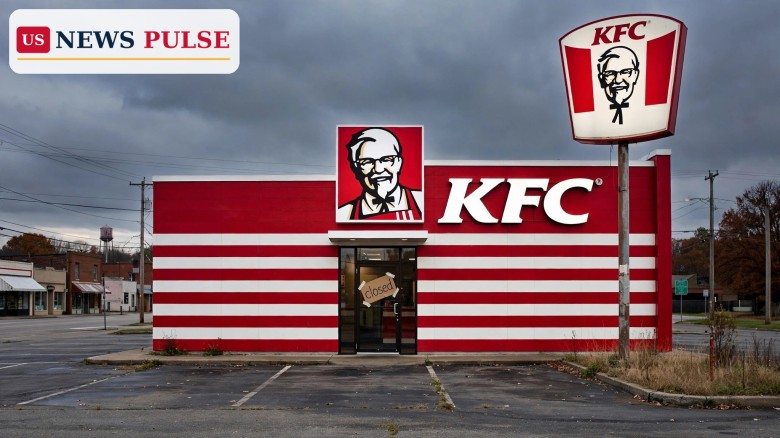
Tasty Chick'n LLC, a Texas-based operator of 75 KFC restaurants and nine co-branded KFC and Taco Bell locations across 10 states, filed for Chapter 11 bankruptcy protection on Monday, November 16, 2026, after closing about 72 of its restaurants. The filing, in the US Bankruptcy Court for the Southern District of Texas with three affiliates, exposes the strain on one of KFC's larger American franchisees.
Court papers list about $67.2 million owed to its main lenders and about $15.7 million in unpaid franchise fees, after sales fell 11.4 percent in 2024, 1.4 percent in 2025 and 2.8 percent in 2026.
Key Points
- Tasty Chick'n filed for Chapter 11 on November 16 in the Southern District of Texas, together with three affiliated companies.
- About 72 locations have closed, are winding down or face lease rejection, 67 of them before the filing.
- The closures span 10 states, led by Tennessee with 19, Florida with 10 and Arkansas with 9.
- The company owes about $67.2 million to its lenders and about $15.7 million in unpaid franchise fees to Yum Brands.
- Yum Brands sent a notice of intent to terminate the franchise agreements on September 15; the filing aims to block it.
What Happened
The petition landed on Monday, November 16, in the US Bankruptcy Court for the Southern District of Texas. Tasty Chick'n and three affiliates sought court protection after years of falling sales and rising costs, and after Yum Brands, the parent of KFC and Taco Bell, moved in September to end the franchise relationship.
On Tuesday, the company disclosed a list of more than 70 restaurants it no longer considers worth keeping, across Alabama, Arkansas, Florida, Illinois, Indiana, Kentucky, Missouri, Mississippi, Tennessee and Virginia. Most had already shut before the filing. The Memphis area was hit especially hard, with more than a dozen of the city's KFC locations on the list.
Tasty Chick'n now asks the court for permission to walk away from the leases on those properties. The Chapter 11 filing aims to stop Yum Brands terminating the franchise agreements and keep the remaining restaurants trading while the company looks for a buyer.
Background: A Big Franchisee Under Pressure
Tasty Chick'n is managed by Tasty Restaurant Group, which also oversees Burger King, Pizza Hut and Dunkin' locations across the South, Midwest and Northeast. The wider group is not a debtor in the case.
The franchisee's troubles built up over several years. Restaurant-level profitability has declined since 2023 as costs rose and customers spent less, with sales down 11.4 percent in 2024, 1.4 percent in 2025 and 2.8 percent so far in 2026. Costly demands from Yum Brands for store upgrades added to the pressure, and unpaid royalties reached about $15.6 million.
The wider KFC brand is also having a difficult year at home. Yum Brands recently reported a 6 percent decline in KFC's US sales for the third quarter, even as sales grew by double digits in markets such as the Middle East and Asia. The brand faces tougher competition, particularly among younger customers moving toward trendier chicken chains.
KFC Franchisee Bankruptcy: What Went Wrong for Tasty Chick'n
The filing tells a familiar story for leveraged franchise operators: a business built on borrowed money, squeezed by falling sales and rising costs, finally running out of room. The $67.2 million owed to lenders and $15.7 million in unpaid fees left little margin for error.
The breaking point came in September, when Yum Brands sent a notice of intent to terminate the franchise agreements. Losing the right to trade as KFC would have left the company with restaurants it could not operate under the brand, so Chapter 11 was used as a shield to freeze that termination while a sale is explored.
The case is part of a wider wave. In September, the owner of more than 300 Wendy's restaurants filed for bankruptcy after years of sales struggles. Franchisees for Denny's, Subway and Moe's Southwest Grill have made similar moves, and together these operators have closed hundreds of restaurants in 2026.
Reactions and Quotes
KFC said it is working closely with the franchisee. "We've been actively engaged with Tasty Chick'n as it works through its challenges and remain focused on positioning our franchisees for long-term success," the company said in an emailed statement to Fast Company.
Tasty Chick'n did not immediately respond to a request for comment. The company told the court it hopes to sell its assets while it explores "other stand-alone restructuring alternatives".
The filing stressed that KFC itself and Yum Brands are not in bankruptcy. Yum Brands shares were up roughly 6.31 percent year to date, slightly behind the S&P 500 at 7.25 percent.
Why It Matters
For customers in the 10 affected states, the closures are already real: dozens of neighbourhood KFC restaurants have gone dark, many in smaller towns where the chain was one of few fast-food options. It is not yet clear how many jobs are affected.
For the wider industry, the case shows how fragile the franchise model can become when a large operator carries heavy debt. Franchisees fund their own stores, pay royalties and must meet upgrade demands, facing the same cost pressures as any restaurant. When sales fall for three years in a row, the maths stops working.
For Yum Brands, the case tests how it handles a struggling franchisee. Keeping surviving restaurants open under new ownership matters more than Tasty Chick'n itself, and Chapter 11 gives the brand time to find buyers.
What Happens Next
First, the Texas court will decide whether Tasty Chick'n can reject the leases on the closed locations and abandon the properties. Second, the company will market its surviving restaurants to buyers while the termination notice stays frozen. Third, Yum Brands must approve any new operator, since the restaurants can only keep trading as KFC with its consent.
The remaining restaurants will keep operating during the process. If a buyer is found, some of the 75 KFC locations and nine co-branded stores could continue under new ownership. If not, more closures are likely beyond the 72 already named.
Frequently Asked Questions
Is KFC itself going bankrupt?
No. Only the franchisee, Tasty Chick'n LLC, and three affiliates filed for Chapter 11. KFC and Yum Brands are not in bankruptcy.
How many KFC restaurants are closing?
About 72 locations have closed, are winding down or face lease rejection across 10 states; 67 had already closed before the filing.
Which states are affected?
Alabama, Arkansas, Florida, Illinois, Indiana, Kentucky, Missouri, Mississippi, Tennessee and Virginia. Tennessee leads with 19, followed by Florida with 10 and Arkansas with 9.
Why did the franchisee file for bankruptcy?
Sales fell 11.4 percent in 2024, 1.4 percent in 2025 and 2.8 percent so far in 2026, while costs rose. The company owes about $67.2 million to lenders and $15.7 million in unpaid franchise fees.
Will the remaining KFC restaurants stay open?
Chapter 11 aims to keep the surviving restaurants trading while the company seeks a buyer. Some may continue under new ownership, but more closures are possible without one.
Read our earlier reports on Children's Place filing for bankruptcy as sales plunge and McDonald's US sales slipping in the third quarter.
© 2026 US News Pulse. All rights reserved.
 Print
 Save