
Fiona the Hippo Dies at Cincinnati Zoo at 9 After Swallowing a Visitor's Hat
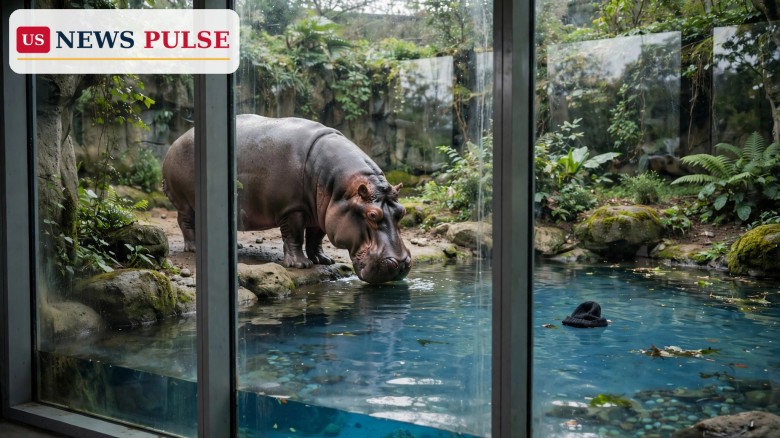
Fiona, the beloved Nile hippopotamus who became a global internet sensation after her premature birth at the Cincinnati Zoo & Botanical Garden, has died at the age of nine after swallowing a visitor's knit hat that accidentally fell into her habitat, the zoo announced on Thursday, November 19, 2026. Fiona the hippo dies just two months before what would have been her tenth birthday.
Key Points
- Fiona, a nine-year-old Nile hippopotamus at the Cincinnati Zoo, died on Thursday, November 19, 2026, after swallowing a knit hat.
- The hat entered her habitat on November 8, when a child tossed it into the air and a ceiling fan sent it through a small opening above the 12-foot viewing windows. The zoo said it was an accident.
- Vets gave round-the-clock care for 11 days, including a colonoscopy with a roughly nine-foot scope, but could not move the hat.
- Surgery was not an option for the adult hippo, who weighed more than 2,000 pounds.
- Born six weeks premature in January 2017 at just 29 pounds, Fiona was the first Nile hippo born at the zoo in 75 years. She leaves behind her younger brother, Fritz.
What Happened
The events that led to Fiona's death began on November 8, when a child visiting the zoo tossed a knit hat into the air inside the hippo building. A ceiling fan caught the hat and flung it through a one-foot opening above the habitat's 12-foot-tall viewing windows. Fiona swallowed a significant portion of the hat before keepers could reach it.
Over the next 11 days, vets gave her round-the-clock care, including fluids and medication to help her pass the material naturally. When that did not work, the team tried a colonoscopy with a scope roughly nine feet long, but it failed to locate the hat, and an ultrasound showed her intestines bunching. Surgery was ruled out: at more than 2,000 pounds, an adult hippopotamus is far too large to anaesthetise and operate on safely. "Despite multiple attempts to move the hat out of her system, it was ultimately too much to overcome," the zoo said.
Background: How Fiona Became a Global Star
Fiona was born on January 24, 2017, six weeks premature and weighing only 29 pounds, about 13 kilograms. She was the first Nile hippopotamus born at the Cincinnati Zoo in 75 years. Zoo staff bottle-fed her around the clock, and keepers posted regular updates and videos of the tiny calf learning to swim, eat and play. Within months she was one of the most famous animals in the world.
Her story mattered beyond her fans: the zoo shared details of her feeding and treatment that are seldom seen outside a veterinary hospital. She grew into a healthy adult of more than 2,000 pounds, and her habitat became one of the most visited spots in the zoo. In August 2022, she gained a younger brother, Fritz, who was born at the zoo and grew up alongside her.
Fiona Hippo Dies: The Medical Efforts to Save Her
The eleven days between the accident and Fiona's death show how hard the zoo's team worked to save her. The first step was supportive care: fluids, medication and constant monitoring. When that did not work, the team tried a colonoscopy, threading a scope roughly nine feet long into her digestive tract to find the hat. The scope could not locate it, and an ultrasound showed her intestines bunching.
In a smaller animal, surgery might have been the next step, but in a hippopotamus weighing more than 2,000 pounds the risks of anaesthesia and surgery are extreme, and the zoo said an operation was not an option. The team kept up supportive care, hoping her body would still pass the hat, but by Thursday it was clear that it would not. The one-foot gap above the viewing windows is certain to be reviewed.
Reactions and Quotes
The zoo's announcement drew an immediate wave of grief online, and by Thursday night hundreds of people had come to the zoo in person to mourn. Visitors left flowers, cards and drawings outside the hippo habitat, and the memorial grew through the evening as more people arrived.
"Despite multiple attempts to move the hat out of her system, it was ultimately too much to overcome," the zoo said, in the statement that confirmed her death. Social media filled within hours with photos and videos of Fiona from across her nine years, and fans shared memories of visits to the zoo and of following her story from far away.
Why It Matters
Fiona's death matters because she was not an ordinary zoo animal. For nine years she was one of the most recognisable animals in the United States, and her story introduced millions of people to the Cincinnati Zoo and to the work of keeping and caring for hippopotamuses. The zoo's openness about her care turned a fragile calf into a public lesson in veterinary science.
Her death also raises a practical question for other zoos: how to keep small visitor items out of animal habitats. A knit hat is not the kind of object anyone expects to become a danger, yet the way it reached Fiona shows how an ordinary accident can defeat even a well-designed enclosure. Zoos across the country are likely to look at their own viewing areas and gaps above glass in the coming weeks.
What Happens Next
The zoo has not yet announced a formal memorial service, but the memorial growing outside her habitat suggests that one will follow. Her younger brother Fritz remains at the zoo, and the zoo's hippo programme will continue with him. The zoo is also expected to review the hippo building, in particular the one-foot opening and the ceiling fan.
Frequently Asked Questions
How did Fiona the hippo die?
Fiona died on November 19, 2026, after swallowing a knit hat that fell into her habitat on November 8. Vets tried for eleven days to help her pass it, including fluids, medication and a colonoscopy, but the hat could not be moved, and surgery was not possible for an adult hippo weighing more than 2,000 pounds.
How did the hat get into Fiona's habitat?
A child tossed the hat into the air inside the hippo building, a ceiling fan caught it, and the fan carried it through a one-foot opening above the habitat's twelve-foot-tall viewing windows.
How old was Fiona when she died?
Fiona was nine years old. She was born on January 24, 2017, six weeks premature, and would have turned ten on January 24, 2027.
Why was Fiona so famous?
Fiona was born six weeks premature at just 29 pounds, the first Nile hippo born at the zoo in 75 years. The zoo shared her care openly, and videos of the tiny calf spread around the world.
What happens to Fiona's brother Fritz?
Fritz, Fiona's younger brother, was born at the Cincinnati Zoo in August 2022 and remains there. The zoo's hippo programme continues with him.
Related coverage on US News Pulse: GTA 6 Earns Record $2.36 Billion on Launch Day, Meta Muse Read Encrypted Signal Messages, Reuters Investigation Finds, and Bengals Beat Falcons 34-17 in Madrid as Burrow Stars for Cincinnati.
© 2026 US News Pulse. All rights reserved.
 Print
 Save