
Houthi Missile Strikes Riyadh's PIF Tower, Shattering Windows Across Seven Floors
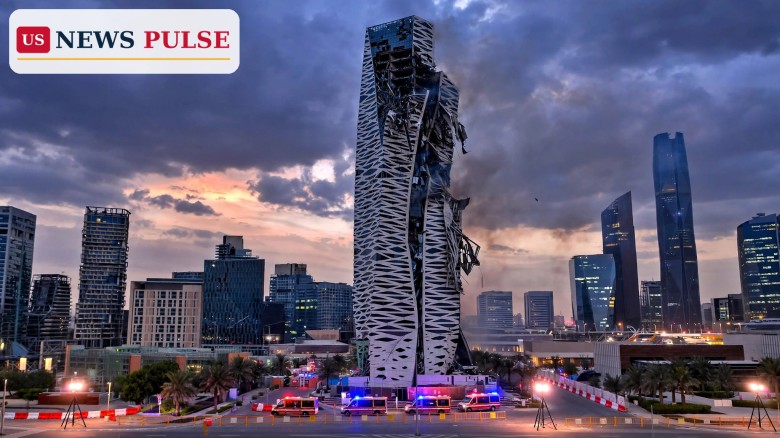
A Houthi missile struck Riyadh's tallest skyscraper on Thursday, November 19, 2026, blowing out windows across seven floors of the Public Investment Fund (PIF) Tower and bending sections of its metal facade. Saudi civil defence said the attack caused material damage to several floors and nearby buildings, but no injuries were reported. It was the second Houthi attack in under two weeks to damage a landmark in the Saudi capital's financial district.
The Houthis claimed the attack hours later, saying they had targeted Riyadh's financial district twice on Thursday. The Saudi-led coalition said it had dealt with a missile threat towards Riyadh, with debris fallen and material damage reported.
Key Points
- A Houthi missile hit the PIF Tower in Riyadh on Thursday, November 19, 2026, blowing out windows across seven to eight floors and bending parts of the tower's metal facade.
- The 80-storey, 1,263-foot tower houses the headquarters of Saudi Arabia's sovereign wealth fund in the King Abdullah Financial District, closed to visitors as people were evacuated.
- Saudi civil defence reported material damage to several floors and nearby buildings, but no injuries.
- The Houthis claimed they struck the financial district twice on Thursday, plus the airport, an airbase and a petrochemical plant.
- It is the second Houthi attack in under two weeks to damage a landmark in Riyadh's financial district, after the Aramco tower was hit on November 8.
What Happened
The missile struck the PIF Tower during Thursday, November 19, 2026, shattering windows across seven to eight floors of the 80-storey building. Photographs and video showed broken glass and twisted metal on the tower's facade, with the financial district closed to visitors and people moved out while emergency teams responded. Saudi civil defence said the attack caused material damage to several floors of the tower and to nearby buildings, but no injuries were reported, despite the strike coming during the working day in one of the capital's busiest commercial districts.
Hours later the Houthis claimed responsibility, saying they had targeted the financial district twice on Thursday. The group also claimed attacks on King Khalid International Airport, the Khamis Mushait airbase and the SADAF petrochemical plant in Jubail. Saudi authorities did not confirm damage at those sites, and the claims could not be independently verified from the reporting available.
Background: The PIF Tower and the Campaign Against Riyadh
The PIF Tower is Riyadh's tallest building, rising 1,263 feet (385 metres) over 80 storeys in the King Abdullah Financial District. It houses the headquarters of the Public Investment Fund, Saudi Arabia's sovereign wealth fund, which manages hundreds of billions of dollars in assets and sits at the centre of the kingdom's plans to diversify its economy beyond oil. A strike on the building is an attack on a visible symbol of Saudi economic power.
The attack fits a pattern that has intensified in recent weeks. On November 8, a Houthi attack damaged the Aramco tower in Riyadh's financial district, and on November 19 the Saudi-led coalition said it had dealt with a separate missile threat towards the capital after a loud boom was heard across the city, with debris falling and material damage reported. Earlier in November, Saudi defences intercepted Houthi missiles and drones aimed at Riyadh and Mecca on two consecutive days. The Houthis, the Iran-aligned movement that controls much of Yemen, have repeatedly targeted Saudi Arabia, and cross-border attacks have flared again in recent months.
Houthi Missile Strikes PIF Tower in Riyadh
The strike on the PIF Tower stands out because of the target and the damage it caused. Previous Houthi attacks on Riyadh have mostly been intercepted before reaching the city. This time a missile reached the heart of the financial district and struck the tallest building in the capital, shattering glass across multiple floors and bending the facade.
The timing also matters. The Houthis said they struck twice on the same day, at dawn and in the evening, a claim that suggests a sustained attempt to pressure the capital. The coalition said it had dealt with a missile threat towards Riyadh, but its initial assessment also confirmed debris had fallen and material damage had been reported — at least part of the attack got through.
Reactions
Saudi civil defence said the attack caused material damage to several floors and nearby buildings, but no injuries were reported. The Saudi-led coalition said it had dealt with a missile threat towards Riyadh, with debris fallen and material damage reported. The district around the tower was closed to visitors, with entrances shut and people evacuated while the damage was assessed. The Houthis claimed the attack hours later and also claimed strikes on the airport, the airbase and the petrochemical plant, claims Saudi authorities did not confirm.
Why It Matters
The strike matters because it hit the headquarters of Saudi Arabia's sovereign wealth fund, the institution at the centre of the kingdom's economic transformation. The PIF Tower is not a military target; it is a symbol of Saudi financial power, and damage to it sends a message that the Houthis can reach the heart of the Saudi economy. It also raises questions about air defence, since a missile reached the capital's financial district despite the coalition's interception claims.
It also matters for the wider region. The attack came against a backdrop of rising tension across the Middle East, with the United States and Iran in a standoff over Tehran's nuclear programme and Gulf states caught between the two sides. A sustained Houthi campaign against Saudi cities would add another front to an already volatile region.
What Happens Next
Saudi authorities are expected to assess the damage and repair the shattered windows and bent facade in the coming days. The King Abdullah Financial District was closed to visitors after the strike, and it was not immediately clear when it would fully reopen. The coalition is also likely to respond with strikes on Houthi targets in Yemen, as it has after previous attacks on the kingdom. Readers can follow the earlier attacks in our coverage of the Aramco tower strike, the missile threat over Riyadh on November 19 and the intercepts over Riyadh and Mecca.
Frequently Asked Questions
What is the PIF Tower?
The Public Investment Fund Tower is Riyadh's tallest skyscraper, an 80-storey, 1,263-foot building in the King Abdullah Financial District that houses the headquarters of Saudi Arabia's sovereign wealth fund.
When did the Houthi missile strike the PIF Tower?
On Thursday, November 19, 2026. The Houthis said they targeted Riyadh's financial district twice that day, first at dawn and again in the evening.
Was anyone hurt in the attack?
No. Saudi civil defence said the strike caused material damage to several floors and nearby buildings, but no injuries were reported.
Has this happened before?
Yes. It is the second time in less than two weeks that a Houthi attack damaged a landmark in Riyadh's financial district, after the Aramco tower was hit on November 8.
What did the Houthis claim?
The group claimed it struck the financial district twice on Thursday, plus King Khalid International Airport, the Khamis Mushait airbase and the SADAF petrochemical plant in Jubail. Saudi authorities did not confirm damage there.
© 2026 US News Pulse. All rights reserved.
 Print
 Save