
Saudi Arabia Shoots Down Houthi Missile and Five Drones in Friday Barrage
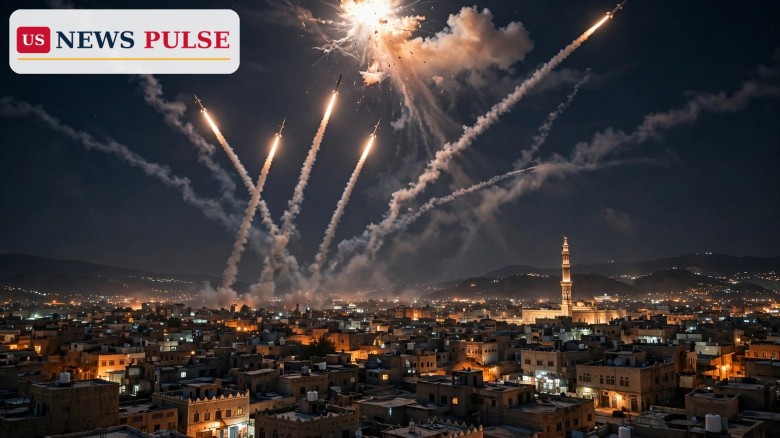
Saudi Arabia shot down a Houthi ballistic missile and five drones on Friday, November 20, 2026, as the Saudi-led coalition struck Houthi targets across Yemen. Four drones and the missile were intercepted over the kingdom's southern region, and a fifth drone was destroyed over the Riyadh region, coalition spokesperson Maj. Gen. Turki al-Malki said.
The Saudi-led coalition said on Friday that it was carrying out major operations against Houthi targets and ballistic capabilities in Sanaa, Saada and Taiz, as well as facilities at the port of Hodeidah. Houthi-run Al-Masirah TV reported Saudi airstrikes on the capital, Sanaa.
Key Points
- Saudi air defences intercepted and destroyed five drones and one ballistic missile fired by Yemen's Iran-aligned Houthi movement on Friday, November 20, 2026.
- Four drones and the missile were shot down over the kingdom's southern region, and a fifth drone was intercepted over the Riyadh region, coalition spokesperson Maj. Gen. Turki al-Malki said.
- Saudi Civil Defence issued early-warning alerts for Jazan, Abha and Khamis Mushait in the Asir region before later announcing that the danger had passed.
- The Saudi-led coalition said it was carrying out major operations against Houthi targets and ballistic capabilities in Sanaa, Saada and Taiz, plus facilities at the port of Hodeidah.
- The fighting follows the Houthis' claimed attacks on Thursday on Riyadh's financial district, King Khalid International Airport, Khamis Mushait airbase and the SADAF petrochemical plant in Jubail.
What Happened
The interceptions unfolded through Friday, November 20, 2026, as the Houthis launched a ballistic missile and five drones toward Saudi Arabia. Saudi air defences destroyed the missile and four of the drones over the kingdom's southern region, near the border with Yemen, while a fifth drone was shot down over the Riyadh region, far to the north. Coalition spokesperson Maj. Gen. Turki al-Malki announced the interceptions through the day.
Saudi Civil Defence issued early-warning alerts for Jazan, Abha and Khamis Mushait in the Asir region, telling residents to take precautions as the incoming threats were tracked. The alerts were later lifted after the danger had passed, with no reports of casualties or damage from the intercepted weapons in the reporting available. At the same time, the coalition said it was carrying out major operations against Houthi targets and ballistic capabilities in Sanaa, Saada and Taiz, as well as facilities at the port of Hodeidah, and Houthi-run Al-Masirah TV reported Saudi airstrikes on the capital, Sanaa.
Background: A War That Reignited in July
The Houthis are the Iran-aligned movement that controls much of Yemen, including the capital, Sanaa. They have fired missiles and drones at Saudi Arabia for years, and the Saudi-led coalition has answered with airstrikes on Houthi positions inside Yemen. Cross-border attacks between the two sides show no signs of abating since hostilities reignited in July 2026. Earlier in November, Saudi defences intercepted Houthi missiles and drones aimed at Riyadh and Mecca on two consecutive days.
The latest round began on Thursday, November 19, when the Houthis claimed attacks on Riyadh's financial district, King Khalid International Airport, the Khamis Mushait airbase and the SADAF petrochemical plant in Jubail. A missile struck the PIF Tower in the King Abdullah Financial District that day, blowing out windows across seven floors of Riyadh's tallest skyscraper. Friday's interceptions and coalition strikes were the next chapter in that same exchange.
Saudi Arabia Shoots Down Houthi Missile and Five Drones
The scale of Friday's interception stands out. Five drones and a ballistic missile in a single day is a heavy salvo, and the fact that one drone reached as far as the Riyadh region shows the range the Houthis are now operating at. Saudi defences destroyed all six incoming weapons, according to the coalition.
The geography of the interceptions tells its own story. The southern region, including Jazan and the Asir cities of Abha and Khamis Mushait, sits close to the Yemeni border and has long been the first line of the air war. A drone over Riyadh is a different matter: it means the weapon flew hundreds of kilometres into the heart of the kingdom before it was destroyed. The coalition's response was equally broad, with operations in Sanaa, Saada and Taiz, plus facilities at Hodeidah, striking across the full length of Houthi-held Yemen, from the capital in the north to the Red Sea port in the west.
Reactions
Coalition spokesperson Maj. Gen. Turki al-Malki announced the interceptions through the day, confirming that the missile and four drones were destroyed over the southern region and the fifth drone over the Riyadh region. Saudi Civil Defence issued the early-warning alerts for Jazan, Abha and Khamis Mushait in the Asir region, and later announced that the danger had passed.
Why It Matters
The fighting matters because it shows the Saudi-Houthi war is escalating again, not winding down. The reignition of hostilities in July 2026 has now produced a sustained exchange in which the Houthis are striking deep into Saudi territory, including the capital region, and the coalition is answering with operations across Houthi-held Yemen. A war that many outside the region had stopped watching is producing daily combat again.
It also matters for the wider region. The Houthis are aligned with Iran, and their campaign against Saudi Arabia runs alongside a broader standoff between the United States and Iran over Tehran's nuclear programme, with Gulf states caught between the two sides. For people in southern Saudi Arabia, Civil Defence alerts in Jazan, Abha and Khamis Mushait send residents to shelter.
What Happens Next
The pattern of recent days suggests the exchange will continue. The Houthis have launched attacks on consecutive days, and the coalition has answered with operations across Sanaa, Saada, Taiz and Hodeidah. There is no sign of either side pulling back, and cross-border attacks have shown no sign of abating since hostilities reignited in July 2026. Watch for another long-range Houthi strike toward Riyadh or the kingdom's oil infrastructure. Readers can follow the earlier attacks in our coverage of the PIF Tower strike in Riyadh, the Aramco tower strike and the intercepts over Riyadh and Mecca.
Frequently Asked Questions
What did Saudi Arabia shoot down on Friday?
Saudi air defences intercepted and destroyed five drones and one ballistic missile fired by the Houthi movement on Friday, November 20, 2026. Four drones and the missile were shot down over the southern region, and a fifth drone over the Riyadh region.
Who are the Houthis?
The Houthis are the Iran-aligned movement that controls much of Yemen, including the capital, Sanaa. They have fired missiles and drones at Saudi Arabia for years, and the Saudi-led coalition has answered with airstrikes on their positions.
Where did the coalition strike on Friday?
The coalition said it was carrying out major operations against Houthi targets and ballistic capabilities in Sanaa, Saada and Taiz, plus facilities at the port of Hodeidah. Houthi-run Al-Masirah TV reported airstrikes on Sanaa.
Was anyone hurt?
No casualties or damage were reported from the intercepted weapons in the reporting available. Civil Defence issued early-warning alerts for Jazan, Abha and Khamis Mushait before announcing the danger had passed.
© 2026 US News Pulse. All rights reserved.
 Print
 Save