
Mamdani Unveils Rikers Island Closure Plan: Four Borough Jails by 2032
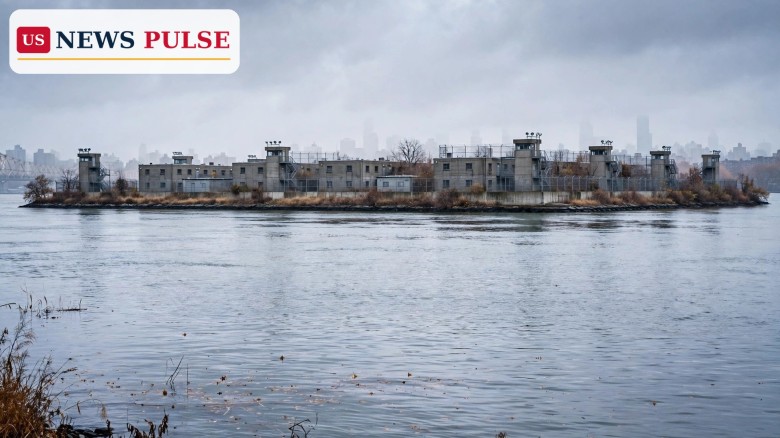
New York City Mayor Zohran Mamdani on Friday unveiled the first comprehensive plan to close the Rikers Island jail complex by 2032, replacing it with four smaller borough-based jails and cutting the jail population by more than a third.
The Rikers Island closure plan, titled "Close Rikers: Strategic Plan," delays the legally required August 2027 deadline set by the City Council in 2019 by five years. It invests $146 million next fiscal year in care, treatment, education and victim services, and caps the jail population at 4,100 people, including no more than 220 women, by the end of 2032.
Key Points
- Mayor Zohran Mamdani released the plan on Friday, November 20, 2026, to close Rikers Island by 2032, five years after the legal deadline of August 2027.
- Four borough-based jails will open by the end of 2032 — Brooklyn first in 2029, Queens and the Bronx in 2031, and Manhattan in 2032 — with 1,040 beds each.
- The jail population will fall from about 6,600 to 6,700 people now to no more than 4,100 by the end of 2032, including no more than 220 women.
- The plan invests $146 million next fiscal year in care, treatment, education and victim services, plus 236 extra therapeutic housing units for 340 beds citywide.
- The City Council must pass legislation to extend the deadline to 2032; the correction officers' union has consistently pushed to keep Rikers Island open.
What Happened
Mamdani released the plan on Friday, November 20, 2026, calling it the city's first comprehensive roadmap for ending incarceration on Rikers Island, an effort first championed in 1979. The plan gathers construction dates, population targets and spending into a single document.
Brooklyn's jail opens first, in 2029, followed by Queens and the Bronx in 2031 and Manhattan in 2032, each holding 1,040 beds. As each borough jail opens, the jails on Rikers Island will close in phases, with the Department of Correction moving off the island entirely by 2032. The city will shrink its jail population by reducing pretrial detention and case delays.
Background and Context
Rikers Island has anchored New York's jail system for nearly a century, and for decades it has also symbolised its failures. The complex sits on an island in the East River, reachable only by a single bridge, and a trip there can take several hours. Its buildings are deteriorating, with broken pipes and unsafe conditions the city itself describes as commonplace, and the complex is now under federal court-ordered oversight.
The push to close it is not new. In 2019, the City Council passed a law requiring the jail complex to close by August 2027, but the deadline was never met: the replacement jails were not built and the population did not fall far enough. Mamdani's administration says it has already opened 104 therapeutic housing beds at Bellevue Hospital, revived a stalled supportive housing project in the Bronx and closed the North Infirmary Command on Rikers Island.
Rikers Island Closure: Four Borough Jails by 2032
The four new jails are designed to fix the problems that made Rikers Island so hard to run and so hard on the people inside it. Located closer to public transportation, courts and the communities where incarcerated New Yorkers live, they will make it easier for people to maintain relationships with family, make court dates, meet with attorneys and receive support.
Each facility will hold fewer people per housing unit, with individual cells, better sightlines and dedicated programming space. Each will include at least 20,000 square feet of community space for neighbourhood residents. Women in custody will be centralised at the Queens facility, near Elmhurst Hospital, and the plan creates 236 additional therapeutic housing units in Brooklyn and the Bronx, bringing the citywide total of therapeutic beds to 340.
Reactions and Quotes
Mamdani framed the plan as a legal and moral duty. "It is time to finally close Rikers Island," he said. "We have a legal and moral obligation to close Rikers." He added that the plan would tackle case delays and invest $146 million in supports that help break cycles of incarceration.
Correction Commissioner Stanley Richards said the plan marks a break with the past: "The era of a justice system that is 'out of sight, out of mind' is coming to a long-overdue end." City Council Speaker Julie Menin, whose chamber must vote to extend the legal deadline, backed the new timetable, saying "delays under previous administrations have made it clear that more time is needed." Queens Borough President Donovan Richards Jr. was blunter: "Rikers Island is nothing more than an inhumane hellhole that destroys futures, ruins lives and steals souls."
The city's four district attorneys jointly backed the plan. The correction officers' union, by contrast, has consistently pushed to keep Rikers Island open.
Why It Matters
Closing Rikers Island would end incarceration on an island jail that has held tens of thousands of New Yorkers, most of them awaiting trial rather than serving sentences, in conditions federal monitors have repeatedly found dangerous. Moving them into smaller jails near their families, lawyers and courts would change daily life in pretrial detention.
The numbers are the test: cutting the jail population from about 6,600 to 6,700 people to no more than 4,100 is a roughly 40 percent reduction, possible only if the city reduces pretrial detention and clears the case delays that keep people in jail for months awaiting trial.
What Happens Next
The immediate next step is legislative: the City Council will introduce legislation to update the legal timeline for ending incarceration on Rikers Island. Without that vote, the 2032 date has no legal force, and the August 2027 deadline remains on the books. Construction is the long pole: Brooklyn's jail must open in 2029.
In the nearer term, the city will open the 236 new therapeutic housing units, restore its online bail payment portal in 2027 and start an interagency task force to cut case delays. It will also begin planning the island's future use.
Frequently Asked Questions
When will Rikers Island close?
Under Mayor Mamdani's plan, Rikers Island will close by 2032, when the last of four borough-based jails opens in Manhattan. The original deadline was August 2027.
Where will the new jails be built?
Brooklyn first in 2029, Queens and the Bronx in 2031, and Manhattan in 2032. Each will have 1,040 beds; women in custody will be centralised at Queens.
How much will the jail population fall?
From about 6,600 to 6,700 people now to no more than 4,100 by the end of 2032, including no more than 220 women.
How much is the city spending?
$146 million next fiscal year: $50 million for services inside jails, $76 million for community reentry and diversion, $15 million for victim services, plus $1 million for the Bronx District Attorney.
Does the City Council have to approve the delay?
Yes. The Council must pass legislation to extend the deadline from August 2027 to 2032, which Speaker Julie Menin backs.
Related coverage: Mamdani Disbands NYPD Strategic Response Group in Protest Policing Overhaul, Appeals Court Clears Mamdani Pied-à-Terre Tax on New York Second Homes, and NYC Orders Demolition of Brooklyn Building Wrecked by Deadly Collapse.
© 2026 US News Pulse. All rights reserved.
 Print
 Save