
Venezuelan TPS Restoration Stays Paused as Trump Drops Supreme Court Bid
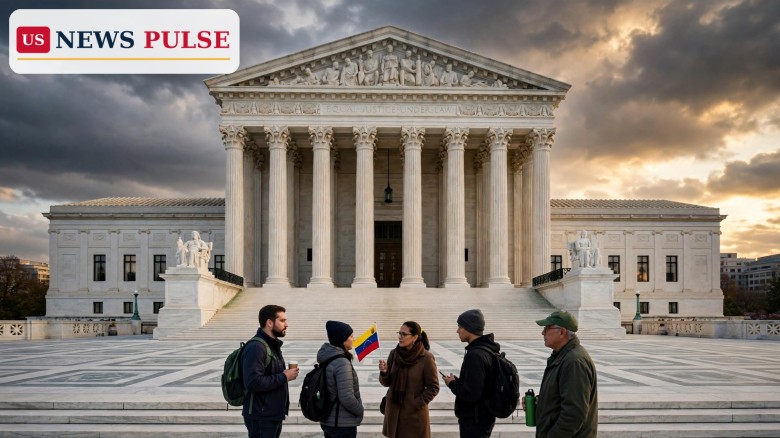
The Trump administration has withdrawn its emergency bid asking the United States Supreme Court to block the restoration of Temporary Protected Status for Venezuelans, stepping back from a high-stakes court fight one day after filing it. The move follows a new order from the U.S. Court of Appeals for the Ninth Circuit that keeps the restoration paused, leaving about 350,000 Venezuelans in legal limbo.
Solicitor General D. John Sauer told the Supreme Court in a letter on Thursday, November 19, 2026, that the government was withdrawing its emergency application in Mullin v. National TPS Alliance, docket number 26A714. The government said it acted because the Ninth Circuit had extended its administrative stay, and warned it would return to the Supreme Court immediately if the appeals court later rules against it.
Key Points
- The Trump administration withdrew its Supreme Court emergency application, No. 26A714, Mullin v. National TPS Alliance, on Thursday, November 19, 2026.
- The Ninth Circuit late on Wednesday, November 18, extended its administrative stay until seven days after it issues its full judgment.
- The stay covers up to about 350,000 Venezuelans under the 2023 TPS designation, 348,202 named in the February 2025 termination notice.
- The withdrawal is procedural only: Sauer said the government will return to the Supreme Court immediately if the Ninth Circuit issues an adverse judgment.
- A California district judge ruled the termination unlawful in September 2025; the Supreme Court sent the case back to the Ninth Circuit in October 2026.
What Happened
On Wednesday, November 18, the administration filed an emergency application asking the Supreme Court to block a district court order restoring Temporary Protected Status for Venezuelans, warning it would take effect after Friday, November 20, and could require officials to release detained Venezuelans and reinstate cancelled work authorizations.
Hours later, the Ninth Circuit extended the administrative stay it had first imposed on November 3, saying the pause would run until seven days after it issues its full judgment. With the restoration frozen by the appeals court itself, the emergency bid lost its urgency, and Sauer withdrew it in a letter on Thursday, November 19. The Supreme Court will not rule on the bid for now. For those affected, the practical effect is unchanged: the restoration order remains paused, TPS protections are not back in force, and work authorizations tied to the 2023 designation remain cancelled.
Background: A Long Legal Fight Over Venezuelan TPS
The fight began when the Department of Homeland Security terminated the 2023 designation for Venezuela in a February 5, 2025 notice covering 348,202 people. The National TPS Alliance sued, and in September 2025 a federal judge in California ruled the termination unlawful, finding the government had exceeded its authority.
The government appealed, and the case has bounced between the Ninth Circuit and the Supreme Court ever since. The Court issued a shadow-docket stay on October 3, 2025; in June 2026 the justices decided the related case Mullin v. Doe by 6-3; and in October 2026 the Court sent the case back to the Ninth Circuit in light of its Haitian TPS decision. The appeals court paused the restoration order on November 3, then extended that pause on November 18, prompting the withdrawal the next day.
Venezuelan TPS Restoration: What the Withdrawal Means
The withdrawal changes the forum, not the outcome. The central question — whether the Department of Homeland Security acted lawfully in terminating the 2023 Venezuelan TPS designation — is now squarely before the Ninth Circuit, which will decide it on the merits.
The extended stay gives the court breathing room: no one will be released from detention or have a work permit reinstated under an order the appeals court might later reverse. But the people affected keep living without protections a district judge said they should have. Sauer's promise to return immediately signals a fourth Supreme Court intervention is likely, since the administration has already taken the case to the justices three times.
Reactions
In its November 18 application, the government warned the restoration would take effect after Friday and could require releasing detained Venezuelans and reinstating work authorizations. In the withdrawal letter, Sauer said the government would return to the Supreme Court immediately if the Ninth Circuit issued an adverse judgment, making clear the administration regards the fight as paused, not finished.
Immigration advocates have long argued the termination was unlawful and the district court's September 2025 ruling should stand, pointing to the harm: hundreds of thousands of people who entered legally under a federal program, built lives and paid taxes, then lost their status by administrative decision. The courts have been divided: the district judge found the termination unlawful, while the Supreme Court has so far let it remain in effect.
Why It Matters
First, it affects about 350,000 people directly, each facing the loss of legal status and work authorization and the risk of deportation to a country the United States itself has described as unsafe. Second, it tests the limits of executive power: if the Ninth Circuit agrees the department exceeded its authority, it would limit ending TPS by administrative action. Third, it measures how the Supreme Court will handle the flood of immigration cases on its emergency docket, where it has already intervened three times.
What Happens Next
The case now rests with the Ninth Circuit, whose stay remains until seven days after its full judgment; no schedule is public. If the court upholds the district court and orders TPS restored, the government says it will go straight back to the Supreme Court. If it sides with the government, the plaintiffs are likely to seek review. Either way, the case is expected to return to the justices.
Frequently Asked Questions
What is Temporary Protected Status?
TPS is a federal program letting people from countries hit by war, disaster or other extraordinary conditions live and work legally in the United States for a set period.
How many Venezuelans are affected?
Up to about 350,000 under the 2023 designation, 348,202 named in the February 2025 termination notice. The broader Venezuelan TPS population is larger.
Why did the administration withdraw its Supreme Court bid?
The Ninth Circuit extended its stay on November 18, keeping the restoration paused. With the order frozen, the bid was no longer urgent, so Solicitor General Sauer withdrew it on November 19.
Does the withdrawal mean Venezuelan TPS is restored?
No. The withdrawal is procedural only. The restoration order stays paused, so protections are not back in force, and the administration can keep detaining and deporting people whose TPS was terminated.
Read more on US News Pulse: Trump Asks Supreme Court to Block Venezuelan TPS Restoration for 600,000 Migrants, Venezuelan TPS Returns November 6 as Ninth Circuit Rejects Trump Stay Bid, and Haitian Boy, 8, Freed From ICE Custody and Reunited With Family in San Diego.
© 2026 US News Pulse. All rights reserved.
 Print
 Save