
Missouri Judge Approves Bayer's $7.25 Billion Roundup Cancer Settlement
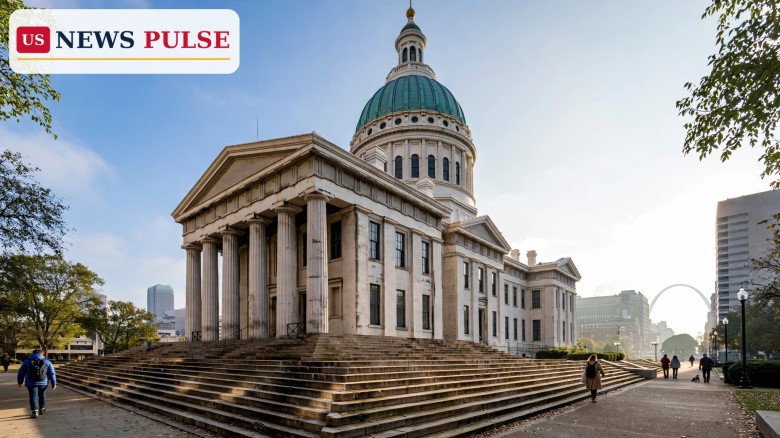
A Missouri judge on Friday approved Bayer's $7.25 billion settlement of lawsuits claiming its weedkiller Roundup causes cancer, clearing one of the largest mass-tort deals in American history. The Bayer Roundup settlement, approved by St. Louis Circuit Judge Timothy Boyer, will pay current and future claimants over as long as 21 years.
Judge Boyer called the average payouts “fair and adequate” and the total “among the largest in the history of mass tort personal-injury class action settlements.” The approval follows a US Supreme Court ruling in June that reshaped the cases.
Key Points
- A St. Louis judge approved Bayer's $7.25 billion nationwide class settlement of Roundup cancer claims on Friday, November 20, 2026.
- Monsanto will make declining capped annual payments for up to 21 years, totalling up to $7.25 billion.
- The deal covers about 65,000 claims; payouts range from $10,000 to $165,000, plus $600 million for attorneys' fees.
- Bayer admits no liability and maintains glyphosate, Roundup's active ingredient, is safe.
- The settlement follows the Supreme Court's June 2026 7-2 Durnell ruling, cited by Judge Boyer.
What Happened
Judge Boyer granted final approval on Friday after a hearing on whether the terms were fair to the tens of thousands who say Roundup exposure gave them non-Hodgkin lymphoma, a cancer of the lymphatic system. His order clears the way for payments under a long-term claims programme.
Monsanto — the Bayer unit that makes Roundup — will make declining, capped annual payments for up to 21 years, totalling as much as $7.25 billion, including amounts already paid. Three billion dollars is due in the first five years.
The settlement covers people exposed to Roundup before February 17, 2026, including farmers, landscapers and groundskeepers, and people diagnosed with non-Hodgkin lymphoma within 16 years of final approval. Payouts range from $10,000 to $165,000, based on use, age at diagnosis and severity. About 65,000 claims are covered; around 200 federal cases are excluded. Boyer warned Bayer might have sought bankruptcy protection if the deal had been rejected.
Background/Context
Roundup has been one of the world's most widely used weedkillers since Monsanto introduced it in the 1970s. Litigation began after a World Health Organization agency classified glyphosate in 2015 as “probably carcinogenic to humans,” a finding US and European regulators have disputed.
Tens of thousands sued, saying years of spraying Roundup caused their non-Hodgkin lymphoma. Early juries awarded billions of dollars, though many awards were later cut sharply on appeal. Bayer, which bought Monsanto in 2018 for $63 billion, inherited the litigation.
An earlier class settlement covering future claims was rejected by a federal judge in 2021. The picture changed in June 2026, when the US Supreme Court ruled 7-2 in Durnell that federal pesticide law pre-empts state “failure-to-warn” claims. Weeks ago, Bayer won its first Roundup trial since Durnell, a unanimous St. Louis jury verdict for Monsanto in the Aretino case: Bayer Wins First Roundup Trial Since Durnell Ruling.
Bayer Roundup Settlement: How the $7.25 Billion Deal Works
The structure is designed to last. Rather than a lump sum, Monsanto will pay into a claims programme over as long as 21 years, with annual amounts declining and capped. The $3 billion due in the first five years covers the bulk of claims already filed.
Eligibility turns on exposure and timing. Anyone exposed to Roundup before February 17, 2026 can qualify, above all farmers, landscapers and groundskeepers. People diagnosed with non-Hodgkin lymphoma within 16 years of final approval are also covered, recognising the disease can take years to appear.
Each amount depends on the person's history: how heavily they used Roundup, their age at diagnosis and how severe their illness is. The largest payments go to those with the longest exposure and the most serious disease; the $600 million for lawyers is paid separately. For Bayer, the value is certainty: capped exposure, a cost spread over two decades and no more multi-billion-dollar verdicts.
Reactions/Quotes
Judge Boyer was clear about the scale: the average payouts are “fair and adequate” and the total is “among the largest in the history of mass tort personal-injury class action settlements.”
Bayer chief executive Bill Anderson called the ruling “a decisive milestone” in containing pending and future Roundup litigation. The company argues the evidence shows glyphosate is safe when used as directed, citing US Environmental Protection Agency assessments that found no cancer risk.
Critics, including some plaintiffs' lawyers, say the payouts are too low for people who developed a serious cancer. No regulator has found Roundup causes cancer.
Why It Matters
The approval matters first for the roughly 65,000 people covered. For many, it ends years of litigation and starts real payments, with $3 billion arriving in the first five years. For people diagnosed in the future, it creates a programme that will still be there when they need it.
It also matters for American agriculture. Roundup remains one of the most widely used weedkillers on US farms, and a settlement that resolves the litigation without removing the product keeps the status quo for growers who depend on it. Had Bayer faced bankruptcy, as Boyer warned was possible, the product's future would have been thrown into doubt.
For the wider legal world, the deal shows how mass-tort litigation is changing: the Durnell ruling gave companies a powerful new defence against failure-to-warn claims, and this settlement shows how fast it is reshaping the bargaining table. For Bayer it removes the biggest overhang on the company: Nasdaq Crashes 5.3% in Brutal Friday Rout.
What Happens Next
The final approval order is subject to appeal, and objectors have a window to challenge it. If appeals are filed, payments could be delayed while higher courts review Judge Boyer's decision.
Once the order is final, the claims programme will open and process applications, with the first $3 billion flowing over five years. Claimants must document their exposure and diagnosis, and payments will be graded by use, age and severity. About 200 excluded federal cases will continue, and Bayer will keep defending glyphosate's safety there. The Securities and Exchange Commission has meanwhile been active against corporate misconduct of a very different kind: SEC Charges Eight Colorado Firms in $37 Million Crypto Scam.
The broader debate over glyphosate will not end here: the settlement settles lawsuits, not science. But for the tens of thousands who sued, Friday's ruling is the closest thing to an ending the Roundup saga has had.
Frequently Asked Questions
How much is the Bayer Roundup settlement worth?
Up to $7.25 billion, paid in declining capped annual instalments over up to 21 years, including amounts already paid.
Who qualifies for a payment?
People exposed to Roundup before February 17, 2026, and people diagnosed with non-Hodgkin lymphoma within 16 years of final approval. About 65,000 claims are covered.
How much will individual claimants receive?
Between $10,000 and $165,000, depending on use, age at diagnosis and severity. The settlement also includes $600 million for attorneys' fees.
Does Bayer admit Roundup causes cancer?
No. The settlement contains no admission of liability, and Bayer maintains glyphosate is safe when used as directed.
Can the settlement still be challenged?
Yes. The final approval order is subject to appeal, and objectors can ask a higher court to review Judge Boyer's decision.
© 2026 US News Pulse. All rights reserved.
 Print
 Save