
Judge Refuses Long-Term Ban on Trump Taxpayer-Funded Ads After Midterms
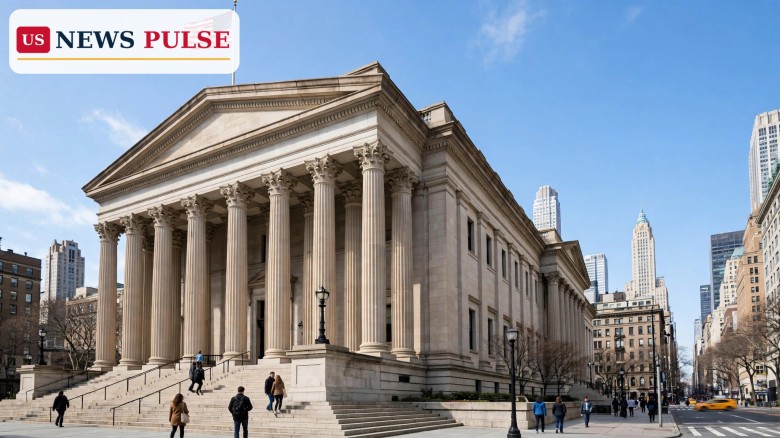
A federal judge in New York declined on Friday, November 20, 2026, to impose a long-term ban on the Trump taxpayer-funded ads that have run on television since September. Judge Jennifer L. Rochon of the Southern District of New York said the coalition challenging the spots had not shown they were still causing "imminent and irreparable harm" now that the November 3 midterm elections have passed. The ruling does not decide whether the ads are lawful. The New York lawsuit continues on its merits, and a parallel case brought by the Democratic National Committee is still pending in Washington. The spots were paid for at least in part through a $20 million Department of Homeland Security contract and repurposed 2024 campaign footage to promote President Donald Trump.
Key Points
- Judge Jennifer L. Rochon declined on Friday, November 20, to issue a long-term ban on the Trump administration's taxpayer-funded political ads.
- She ruled the suing coalition had not shown the ads still cause "imminent and irreparable harm" now that the November 3 midterm elections are over.
- The ruling does not decide whether the ads are lawful; the New York lawsuit continues on its merits.
- The spots began airing in September, paid for at least in part through a $20 million Department of Homeland Security contract.
- A parallel Democratic National Committee case in Washington remains pending, with its temporary restraining order expiring next week.
What Happened
Judge Rochon issued her decision on Friday, November 20, 2026, three weeks after the midterm elections and a month after she ordered three of the ads pulled from television, government websites and social media. The suing coalition — watchdog Common Cause, SEIU Local 32BJ and its political action committee, and Alabama candidate Robert Hunter — had asked for a longer ban. Rochon refused. "The urgency of the earlier requests for temporary injunctive relief in this case centered around the November 3, 2026, midterm and state elections. Those elections have now passed," she wrote. She did not rule on whether the ads break the law. Her decision turns only on timing: with no election imminent, the plaintiffs could not show the urgent, irreparable harm that justifies an injunction. The lawsuit challenging the ads as an unlawful use of public money will now be argued on its merits.
Background and Context
The ads began airing in September 2026, paid for at least in part through a $20 million Department of Homeland Security contract. The spots repurposed footage from President Trump's 2024 campaign. Ad buyers spent about $19 million through the LMD Agency by October 11. On October 11, a temporary restraining order lasting 14 days barred the ads. On October 28, Judge Loren L. AliKhan in Washington granted the Democratic National Committee a temporary restraining order staying the budget office's $20 million apportionment for five of the ads through November 11, finding officials "likely used public dollars to unlawfully finance a national media campaign." Two days later, Judge Rochon ordered three of the ads pulled — "$5,000 to Americans," "Every Democrat Voted Against No Tax on Tips" and "Cost of Socialism" — and cancelled third-party slots, including through MAGA Inc. The plaintiffs had sought the removal of at least 13 ads. President Trump said on October 5 that he would pay for the ads himself, but taxpayer-funded spots kept airing for six more days.
Trump Taxpayer-Funded Ads: Why the Judge Said No — for Now
The ruling turns on the legal standard for emergency court orders, not on the ads themselves. To win an injunction, plaintiffs must show harm that is both imminent and irreparable — harm no later ruling can undo. Before the midterms, that argument was strong: the ads ran while voters were deciding, and their effect on an election could not be undone. Now that the elections are over, Judge Rochon found, the same argument no longer holds. The administration calls the spots public service announcements that inform the public about government programmes. The plaintiffs say the ads promote the president, reuse his campaign footage and spend public money on political messaging. What Friday's ruling does not do is settle that dispute. Whether $20 million in public money was lawfully spent on ads praising the president remains open.
Reactions and Quotes
Judge Rochon's words set the frame for the ruling. Explaining why the emergency had passed, she wrote: "The urgency of the earlier requests for temporary injunctive relief in this case centered around the November 3, 2026, midterm and state elections. Those elections have now passed." The White House has defended the spots throughout as public service announcements, not campaign material. After the October 30 order, White House spokesperson Lauren Bis called the judge a "Biden-appointed activist judge" and said she had "issued a lawless order to stop the administration from sharing patriotic videos." Judge AliKhan, in the Democratic National Committee's Washington case, found officials "likely used public dollars to unlawfully finance a national media campaign." No appeal has been announced.
Why It Matters
The case tests the line between informing the public and promoting a president with public money. Twenty million dollars in Department of Homeland Security funds went to spots that reused campaign footage and praised the president, and the question of whether that spending was lawful is still unanswered. If the administration wins on the merits, similar taxpayer-funded ads could return before future elections, including the 2028 presidential race. If the plaintiffs win, the ruling would limit how far a government can go in using its own advertising budgets for political messaging. By refusing a long-term ban, the court left the ads free to return at any moment, checked only by a future court order.
What Happens Next
The New York lawsuit continues on its merits. The Democratic National Committee's parallel case in Washington remains pending after a hearing earlier this week, and its temporary restraining order expires next week. The administration could resume airing the spots at any time, and the plaintiffs could seek fresh emergency relief if the ads reappear ahead of a future election. For now, the three ads Judge Rochon ordered pulled on October 30 stay off the air under that order.
Frequently Asked Questions
What did Judge Rochon decide on November 20?
She declined a long-term ban on the administration's taxpayer-funded political ads, ruling the plaintiffs had not shown "imminent and irreparable harm" now that the November 3 elections passed.
Are the Trump ads illegal?
That question has not been decided. Friday's ruling was about timing and urgency, not legality. The New York lawsuit challenging the ads continues on its merits.
How much did the ads cost taxpayers?
They were paid for at least in part through a $20 million Department of Homeland Security contract, with about $19 million in ad buys via the LMD Agency by October 11.
What happens to the Democratic National Committee's separate case?
It remains pending in Washington, D.C., after a hearing earlier this week. Its temporary restraining order expires next week.
Could the ads come back?
Yes. Nothing in Friday's ruling bars the administration from airing them again, and the plaintiffs would need a new court order if they return ahead of a future election.
© 2026 US News Pulse. All rights reserved.
 Print
 Save