
Scott Spivey Murder Charges Filed in South Carolina Road Rage Case After 3 Years
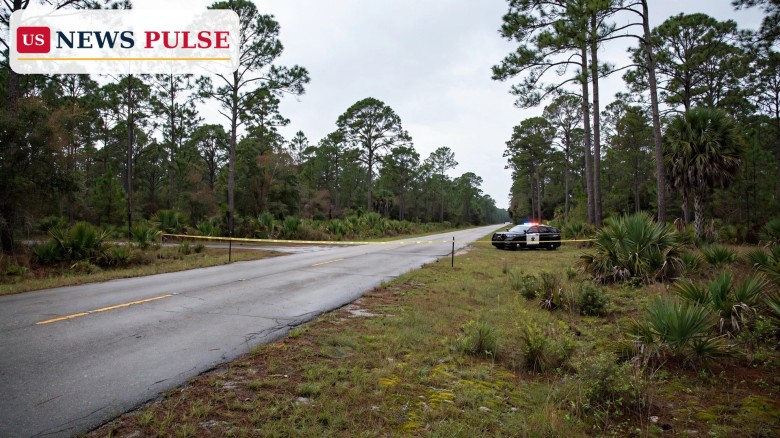
More than three years after Scott Spivey was shot dead on a rural road in South Carolina, two men have been charged with his murder — and two former sheriff's officers face charges of their own over how the killing was handled. A Horry County grand jury indicted Charles "Weldon" Boyd, a North Myrtle Beach restaurant owner, and Kenneth "Bradley" Williams on murder and weapons charges, and both were arrested on Wednesday, November 18. The case, closed within hours as self-defence in 2023, was reopened after Spivey's sister uncovered evidence challenging that account and a Wall Street Journal investigation drew national attention.
Key Points
- Boyd and Williams were indicted on murder and weapons charges over the September 9, 2023 shooting of Scott Spivey, 33.
- Boyd was also indicted on obstruction and conspiracy; two former Horry County officers face misconduct and obstruction.
- Body-camera footage showed former Sgt. Paul "Damon" Vescovi holding a note telling Boyd and Williams to "act like a victim".
- Police called it self-defence within hours; prosecutors declined a case until Spivey's sister and a Wall Street Journal investigation challenged that account.
- All four appeared in court on November 19, were given bonds and released; a special prosecutor now handles the case.
What Happened
Spivey, a 33-year-old insurance adjuster from North Carolina, died on September 9, 2023, after a car chase on Highway 9 in Horry County ended in a shooting on Camp Swamp Road near Longs. For more than three years no one was charged: police called it self-defence within hours, and prosecutors declined a case.
That changed this week. A grand jury indicted Boyd and Williams on murder and possession of a weapon during a violent crime, and both were arrested on Wednesday, November 18. The next day, Boyd was also indicted on obstruction and conspiracy, and former Deputy Chief Brandon Strickland and former Sgt. Paul "Damon" Vescovi were charged with misconduct in office and obstruction. All four appeared in Kershaw County court and were released on bonds of $110,000 for Boyd, $100,000 for Williams and $10,000 each for the officers; Williams was freed just before noon on Friday.
Background and Context
The case turned on evidence Spivey's own family helped to bring to light. His sister uncovered material challenging the self-defence claim, including secretly recorded calls, and a Wall Street Journal investigation drew national attention. A judge has since ruled that Boyd's recorded calls showed him seeking law-enforcement help and trying to avoid responsibility for the shooting.
The details raise serious questions about the first hours after the killing. Body-camera footage showed Vescovi holding up a note telling Boyd and Williams to "act like a victim". Strickland, a friend of Boyd, was the first person Boyd called after the shooting. A special prosecutor now handles the case. No trial date has been set, although a trial in 2027 is possible, and the family's civil wrongful-death suit continues.
South Carolina's stand-your-ground law allows a person not engaged in unlawful activity to use deadly force when they reasonably believe it necessary to prevent death or great bodily harm, with no duty to retreat. Prosecutors must now argue the shooting did not meet that test.
Scott Spivey Murder Charges: What the Indictments Say
The indictments draw a sharp line between the two pairs of defendants. Boyd and Williams face the most serious counts: murder and possession of a weapon during a violent crime. Boyd faces two further counts, obstruction and conspiracy, said to relate to efforts after the shooting.
The former officers face no murder charge. Strickland is charged with misconduct in office, obstruction and conspiracy; Vescovi with misconduct in office and obstruction. The state alleges the officers abused their positions and interfered with the handling of the case. Two facts stand out: the body-camera footage of Vescovi's note, and that Strickland, a friend of Boyd, was the first person Boyd called.
Reactions and Quotes
The most telling evidence made public so far is not a statement but an image: body-camera footage showing Vescovi holding up a note that read "act like a victim". That note sits at the centre of the obstruction allegations against the former officers.
The recorded calls uncovered by Spivey's sister are the other key piece of evidence. A judge has ruled the calls showed Boyd seeking help from law enforcement and trying to avoid responsibility — a finding that undercuts the self-defence account that kept the case closed for more than three years. The case was reopened not by a new witness or a forensic breakthrough, but by a family member who refused to accept the first account and a newspaper investigation that put the evidence in public view. The defendants have not yet entered pleas in the public record.
Why It Matters
The Spivey case tests two things at once: whether a self-defence claim can survive scrutiny years later, and whether officers who handle a killing can be held accountable for how they handled it. For more than three years, the official account was that Spivey was shot in self-defence and no crime had been committed. The indictments say the opposite — that a murder took place, and that the handling of the case was itself criminal.
It also matters for families in similar cases. The charges were not the result of a routine review; they followed a sister's own investigation and a newspaper's reporting. That raises a question about how many other cases are closed on a first account that is never tested. It is one of several high-profile criminal cases in the courts this week, including the federal case against Virginia Senate leader Louise Lucas and the Georgia man charged with sending cryptocurrency to ISIS affiliates.
What Happens Next
The criminal case is now with a special prosecutor, and the next steps are pre-trial hearings, the exchange of evidence and, eventually, a trial date. No date has been set, although a trial in 2027 is possible. The civil wrongful-death suit continues, and the judge's ruling on Boyd's recorded calls is already part of that record. For Spivey's family, the indictments are the first step in a process already more than three years long.
Frequently Asked Questions
Who was Scott Spivey?
Scott Spivey, 33, was a North Carolina insurance adjuster who died on September 9, 2023, after a car chase on Highway 9 in Horry County ended in a shooting on Camp Swamp Road.
Who has been charged with murder?
Charles "Weldon" Boyd and Kenneth "Bradley" Williams, indicted on murder and possession of a weapon during a violent crime. Both were arrested on November 18, 2026.
What are the former officers accused of?
Strickland faces misconduct in office, obstruction and conspiracy; Vescovi faces misconduct in office and obstruction. Body-camera footage showed Vescovi holding up a note saying "act like a victim".
Why did it take more than three years to bring charges?
Police called it self-defence within hours and prosecutors declined a case, until Spivey's sister uncovered evidence, including secretly recorded calls, and a Wall Street Journal investigation drew national attention.
What happens next?
A special prosecutor handles the case; no trial date is set, though a trial in 2027 is possible. The family's civil wrongful-death suit continues.
© 2026 US News Pulse. All rights reserved.
 Print
 Save