
US Watchdog to Audit FAA Oversight of Boeing After Manufacturing Failures
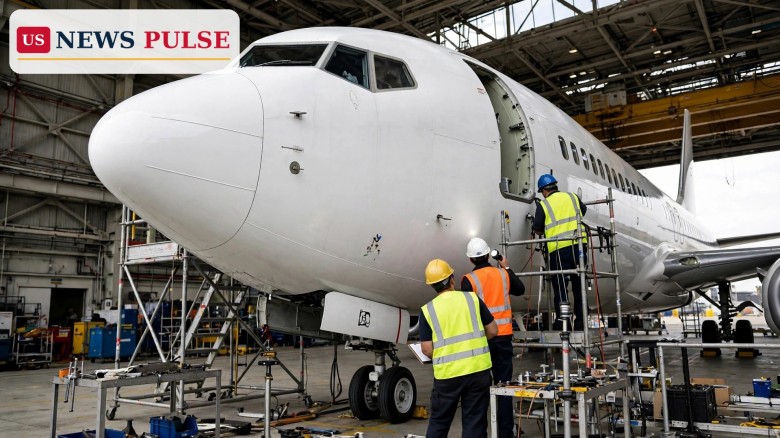
The US Transportation Department's inspector general will audit the FAA oversight of Boeing and other plane makers, opening a fresh review of how America's aviation safety regulator supervises aircraft manufacturing after a string of failures. The watchdog announced the audit on Friday, November 20, 2026, Reuters reported. It will also examine a recent update to the Federal Aviation Administration's risk-assessment practices and the agency's oversight of manufacturers' quality assurance systems for domestic and foreign suppliers.
Key Points
- The US Transportation Department's inspector general will audit the FAA's oversight of Boeing and other airplane manufacturers and aerospace suppliers.
- The review will also cover a recent update to the FAA's risk-assessment practices for overseeing manufacturers.
- Auditors will examine the FAA's oversight of manufacturers' quality assurance systems for domestic and foreign suppliers.
- The watchdog cited the safety board's finding of ineffective FAA oversight after the January 2024 Alaska Airlines 737 MAX blowout, in which four key bolts were missing.
- The FAA said it welcomes the review and will cooperate fully; Boeing did not immediately comment.
What Happened
The inspector general said on Friday it will audit the FAA's oversight of Boeing and other airplane manufacturers and aerospace suppliers, Reuters reported. The announcement adds a formal watchdog review to years of scrutiny of both the planemaker and its regulator.
The audit will also review a recent update to the FAA's risk-assessment practices for overseeing manufacturers, and the FAA's oversight of aircraft manufacturers' "quality assurance systems for domestic and foreign suppliers" — the internal checks that are supposed to catch defects before a plane leaves the factory.
The watchdog noted that several reports have shown shortcomings in FAA and internal company oversight of Boeing's manufacturing processes. It cited a critical National Transportation Safety Board report into the mid-air cabin blowout of a new Alaska Airlines Boeing 737 MAX in January 2024, which found four key bolts missing. The safety board cited ineffective FAA oversight of Boeing.
Background and Context
The Alaska Airlines incident reshaped how the FAA oversees Boeing. After the blowout, the agency said it "fundamentally changed how it oversees Boeing" and for 21 months barred the planemaker from producing more than 38 737 MAX planes a month, a cap that constrained Boeing's recovery and its deliveries to airlines.
In 2024, the FAA said it found hundreds of quality system violations at Boeing's 737 factory in Renton, Washington, and at the 737 fuselage factory of then-subcontractor Spirit AeroSystems in Wichita, Kansas, between September 2023 and February 2024. In September, the FAA disclosed Boeing had paid a $3.1 million fine for a series of safety violations, including some tied to the Alaska incident. The FAA also fined Boeing for interfering with safety officials' independence and said the planemaker presented two aircraft for agency approval that were not airworthy.
In recent months, the FAA has said Boeing has made significant improvements. In July, the agency said it would allow Boeing to issue airworthiness certificates for all 737 MAX and 787 airplanes, saying the decision followed months of thorough data and safety review and reflected its confidence in Boeing's ability to issue the certificates under FAA oversight. The FAA has also certified the smaller MAX 7 and larger MAX 10.
The audit also lands as the FAA faces scrutiny elsewhere. Earlier this month, a nationwide ground stop halted all US flights for four hours, and the agency was found to have had no monitoring of contractor work on the router that caused it.
FAA Oversight of Boeing: What the Audit Will Examine
The audit has three clear strands: how the FAA oversees Boeing and other manufacturers day to day; whether the agency's updated risk-assessment practices direct inspectors to the right places; and whether manufacturers' quality assurance systems — at home and abroad — are being checked properly.
An inspector general audit does not itself punish anyone or ground aircraft. It examines records, interviews officials and tests whether the system works as designed, then publishes findings and recommendations that the agency must answer in public.
Reactions and Quotes
An FAA spokesman said the agency welcomes feedback and will cooperate fully with the audit. Boeing did not immediately comment on the announcement.
The strongest words so far come from the record the watchdog cited: the safety board's finding of ineffective FAA oversight after the Alaska blowout, and the FAA's own statement that it had "fundamentally changed how it oversees Boeing". The July decision to let Boeing issue certificates again shows the agency believes the planemaker has improved — the audit will test that confidence.
Why It Matters
Boeing is America's largest plane maker and the FAA is the regulator the flying public relies on. When oversight fails, the consequences are measured in lives: the Alaska blowout ended without fatalities only because the seats beside the missing door plug happened to be empty.
The audit also matters for Boeing's recovery. Production limits, fines and certificates all hinge on the FAA's judgement of the company's factories. A watchdog verdict that oversight is still weak could slow Boeing's production ramp and deepen the scrutiny of its suppliers.
What Happens Next
The inspector general's auditors will now examine FAA records and practices, and the findings will eventually be published with recommendations the FAA must formally answer. In the meantime, Boeing continues to build 737 MAX jets under the production cap, and the FAA continues its own inspections.
Any findings are likely to feed into the wider debate in Washington over aviation safety and reform, including the FAA's request for $50.1 billion to modernise air traffic control. For passengers, nothing changes in the short term: the audit reviews how the regulator does its job, it does not ground aircraft.
Frequently Asked Questions
What is the Transportation Department's inspector general auditing?
The FAA's oversight of Boeing and other airplane manufacturers and aerospace suppliers. It will also review a recent update to the FAA's risk-assessment practices and the agency's oversight of manufacturers' quality assurance systems for domestic and foreign suppliers.
Why is the FAA's oversight of Boeing under review?
The watchdog said several reports have shown shortcomings in FAA and internal company oversight of Boeing's manufacturing processes. It cited the safety board's report into the January 2024 Alaska Airlines 737 MAX blowout, which found four key bolts missing and cited ineffective FAA oversight.
What happened in the January 2024 Alaska Airlines incident?
A door plug blew out of a new Alaska Airlines Boeing 737 MAX in mid-air. The safety board found four key bolts were missing. No one was killed, but the incident led the FAA to cap Boeing's 737 MAX production at 38 planes a month and overhaul how it oversees the company.
Has Boeing improved since 2024?
The FAA has said in recent months that Boeing has made significant improvements, and in July it allowed Boeing to issue airworthiness certificates for all 737 MAX and 787 airplanes. The new audit will test that improvement.
Does the audit mean Boeing planes will be grounded?
No. An inspector general audit reviews how the regulator oversees manufacturers; it does not ground aircraft or order safety action. No grounding has been announced.
© 2026 US News Pulse. All rights reserved.
 Print
 Save