
FBI Interviews Ex-Fulton Elections Chief Barron in Georgia 2020 Rigging Probe
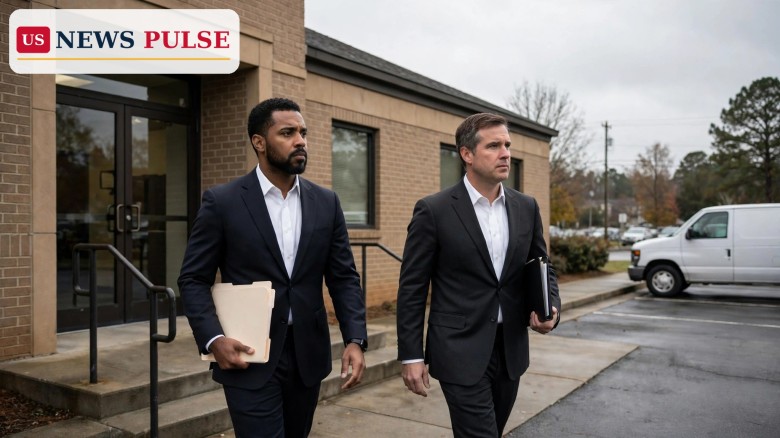
Federal investigators are still hunting for evidence that Georgia's 2020 presidential election was rigged. On Friday, November 20, 2026, two FBI agents and two federal prosecutors interviewed Richard Barron, the former elections director of Fulton County, Georgia, who oversaw vote counting in the 2020 race, the New York Times reported on Saturday, November 21, 2026. It is the latest sign that the government continues to criminally investigate an election President Donald Trump has repeatedly claimed, without evidence, was rigged.
Barron sat for the interview with his lawyer present. It lasted more than two hours and centred on already-debunked fraud claims, including activist Garland Favorito's theories. When Dan Bishop, the Justice Department's top election fraud prosecutor, asked whether any were "reasonable", Barron replied that they were not.
Key Points
- FBI agents interviewed former Fulton County elections director Richard Barron on Friday, November 20, 2026, in the continuing criminal investigation into claims Georgia's 2020 election was rigged.
- The interview lasted more than two hours, with two FBI agents and two federal prosecutors present, including Dan Bishop, a former North Carolina congressman and Trump loyalist appointed in April as the Justice Department's top election fraud prosecutor.
- Questioning centred on debunked fraud claims, including activist Garland Favorito's theories. Bishop asked whether any were "reasonable" — Barron replied that they were not.
- The interview came 10 months after federal officials raided a Fulton County election centre on January 28, 2026, seizing 2020 ballots on debunked claims, according to court filings.
- Joe Biden won Georgia by about 11,800 votes in 2020, confirmed by recounts and a hand audit. No widespread fraud evidence has ever surfaced.
What Happened
An FBI agent approached Barron last week and asked him to sit for an interview. Barron agreed, with his lawyer present, and the meeting took place on Friday, November 20, 2026. Two FBI agents and two federal prosecutors were in the room, among them Bishop, appointed in April to lead the Justice Department's election fraud work.
The questioning focused on the theories that have circulated for six years about the 2020 vote in Fulton County, Georgia's most populous county and home to Atlanta. Investigators pressed Barron on claims promoted by Favorito, whose theories about ballot handling and vote counting have been examined and rejected in court proceedings and official reviews. Neither the Justice Department nor the FBI responded to requests for comment.
Background: Six Years of Claims, Recounts and Court Defeats
Georgia was the closest state in the 2020 presidential election. Biden won it by about 11,800 votes out of nearly five million cast, the first Democrat to carry the state in a presidential race since 1992. The result was confirmed by a full hand audit and multiple recounts.
Trump and his allies challenged the result in dozens of lawsuits, losing nearly all of them. The current investigation began with a referral from Kurt Olsen, who advised Trump as his campaign lost those lawsuits and now serves as Trump's "director of election security and integrity". The probe has moved slowly and largely out of public view, but it has not gone away: in January 2026, federal officials raided a government election centre in Fulton County and seized ballots from the 2020 election, relying on debunked claims according to court filings.
The FBI Georgia 2020 Election Probe: What Investigators Are Still Chasing
The interview shows what the probe is still built on: the same theories about Fulton County that have been examined, litigated and rejected for years. Investigators are not, so far as is publicly known, pursuing a new allegation. Instead, they are revisiting claims about how ballots were handled and counted in 2020, asking the official who ran the count whether any of it holds up.
That framing matters because of who is asking. Bishop is a former Republican congressman from North Carolina and a Trump loyalist, appointed in April to the department's top election fraud post — not a career prosecutor.
Reactions and Quotes
The investigators have said nothing publicly. Neither the Justice Department nor the FBI responded to requests for comment, and the New York Times reported the interview from its own reporting rather than an official announcement. The only exchange on the record comes from inside the room: Bishop asked whether any of the fraud theories were "reasonable". Barron replied that they were not.
Why It Matters
First, it confirms that a criminal investigation into the 2020 election is still running, more than six years after the votes were cast, and nearly a year after federal agents seized 2020 ballots from a Fulton County election centre. A probe many assumed had faded is still active.
Second, it puts the official who ran the count back at the centre of the story. Barron's answer — that the theories are not reasonable — is the same conclusion reached by Georgia's election officials, by the courts and by multiple audits. That investigators are still asking the question, rather than acting on an answer already given many times, is itself the story.
Third, it lands just after the November 3, 2026 midterms, with the administration's election-fraud apparatus still focused on 2020. For election officials in Georgia and beyond, the message is that scrutiny of past elections is not over.
What Happens Next
No charges have been announced, and none appear imminent. The January raid, the Olsen referral and now the interview of the county's former elections director all point the same way: federal investigators are still gathering material on the 2020 vote in Fulton County. Whether that leads to further interviews, subpoenas, or nothing will become clear in the weeks ahead. For now, the record stands: Biden won Georgia by about 11,800 votes, and the man who ran the Fulton County count has told investigators the theories are not reasonable.
Earlier coverage: young voters swung hard left in the 2026 midterms as 7 in 10 backed Democrats, Xavier Becerra wins the California governor race, becoming the first Latino governor in 150 years and Wellman accuses Hegseth of war crimes and vows an impeachment probe.
Frequently Asked Questions
Who is Richard Barron?
Richard Barron was Fulton County, Georgia's elections director and oversaw its 2020 vote counting. The county includes Atlanta.
What did the FBI ask him?
Two FBI agents and two federal prosecutors interviewed him for more than two hours on Friday, November 20, 2026, about debunked 2020 fraud claims, including activist Garland Favorito's theories.
Did Barron say the fraud theories were reasonable?
No. When Dan Bishop, the Justice Department's top election fraud prosecutor, asked if any were "reasonable", Barron said they were not, the Times reported.
What happened in the January 2026 raid?
On January 28, 2026, federal officials raided a government election centre in Fulton County and seized ballots from the 2020 election, relying on debunked claims according to court filings.
Did Joe Biden really win Georgia in 2020?
Yes. Biden won Georgia by about 11,800 votes, confirmed by a hand audit and recounts. No widespread fraud evidence has ever surfaced.
© 2026 US News Pulse. All rights reserved.
 Print
 Save