
Thanksgiving Dinner Costs $58.63 in 2026 as Turkey Prices Jump 10% This Year
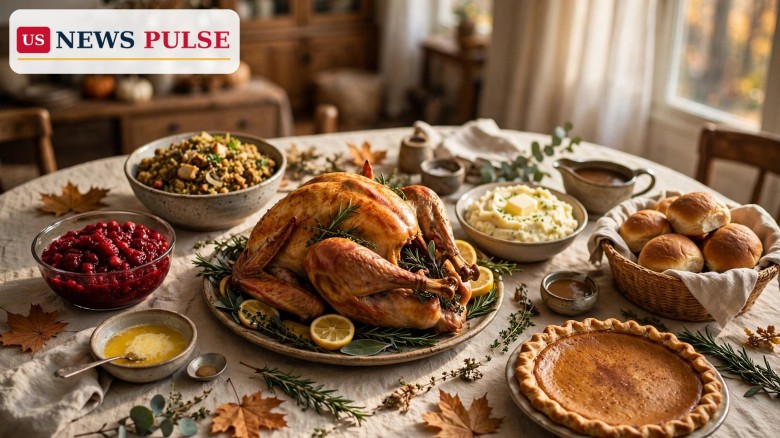
Thanksgiving dinner will cost American families more this year for the first time since 2022, with the Thanksgiving dinner cost for a classic feast for 10 rising to $58.63, according to the American Farm Bureau Federation's 41st annual survey, released on Wednesday, November 18, 2026. The increase of more than 6% ends three years of falling or flat prices. The turkey is doing most of the damage: a 16-pound frozen bird now averages $23.68, up 10.1% from $21.50 a year ago. Thanksgiving falls on Thursday, November 26, 2026.
The survey is one of the most closely watched snapshots of American food prices, because the same menu has been priced the same way since it began in 1986. Volunteer shoppers checked prices in all 50 states and Puerto Rico during the first week of November, without coupons or deals. This year's meal is still $5.42 below the record $64.05 of 2022.
Key Points
- A classic Thanksgiving dinner for 10 will cost $58.63 this year, about $5.86 per person, up more than 6% from 2025 — the first overall increase since the record $64.05 meal in 2022.
- The 16-pound turkey averages $23.68, or $1.48 per pound, up 10.1% — the largest increase of any item on the menu.
- Eight of the 12 surveyed items rose in price, including fresh cranberries (up 8.8%), whole milk (up 8.6%), dinner rolls (up 7%) and stuffing mix (up 5.4%).
- High diesel prices are a key driver: diesel averaged $5.96 a gallon, up 58% from a year ago, after hitting a record $6.53 in September.
- Adding boneless ham, russet potatoes and frozen green beans raises the total by $23.09 to $81.72 for the expanded menu.
What Happened
The Farm Bureau published its annual Thanksgiving dinner survey on Wednesday, November 18, 2026: $58.63 for a classic dinner for 10, up from about $55.30 last year. The survey has run every year since 1986 with an unchanged menu — a clean measure of holiday food inflation.
The turkey alone accounts for much of the rise. At $1.48 a pound, a 16-pound frozen turkey costs $23.68, $2.18 more than last year, as production costs rose and the flock recovered from bird flu. The US Department of Agriculture expects the wholesale price of a whole frozen turkey hen to average a record $1.76 a pound this year, up 29%. Fresh cranberries rose 8.8% to $2.48, a gallon of whole milk rose 8.6% to $4.05, a dozen dinner rolls rose 7% to $3.81, and stuffing mix rose 5.4% to $3.91. Four items fell slightly. The classic meal was cheapest in the South at $54.33 and priciest in the Northeast at $61.57.
Background/Context
The survey's menu has not changed since 1986, and shoppers are told to find the best price available without special coupons or buy-one-get-one deals. That consistency is what makes the series valuable: it tracks the same basket through recessions, pandemics, bird flu outbreaks and inflation spikes. The record high of $64.05 in 2022 came at the peak of the post-pandemic inflation surge. Prices then eased in 2023 and 2024 as supply chains healed, before turning up again this year. Bird flu devastated turkey flocks in 2022 and again in 2024; this year the flock is recovering, but production costs remain high. Stores often feature whole turkeys at even lower prices in the days leading up to Thanksgiving.
The broader grocery picture is mixed. US inflation rose 0.4% in October, hotter than forecast, with core prices climbing again. Even so, Aldi is advertising a feast for 10 at $39 and Walmart at $35, well below the Farm Bureau average.
Thanksgiving Dinner Cost: What's Driving Prices Higher
Fuel is the thread running through almost every price rise in this year's survey. Diesel averaged $5.96 a gallon, up 58% from a year ago, after hitting a record $6.53 in September, according to AAA data cited in the survey coverage. The Farm Bureau linked the rise to the Iran war, which has disrupted energy markets and pushed up the cost of moving food from farms to processing plants to stores.
AFBF Deputy Chief Economist Faith Parum said: "The overall increase in our annual survey reflects the rising costs of getting food from the farm to your dinner table. High diesel prices and a shortage of farm labor have taken a toll on the farm level of the food supply chain." The USDA estimates that less than 6 cents of every dollar spent on food goes back to the farm.
Reactions/Quotes
Farm Bureau leaders used the survey's release to press Congress on farm policy. AFBF President Zippy Duvall said: "Food prices are a real concern for America's families, including farm families, who pay the same grocery store prices and also face rising supply costs. With the struggling farm economy, action is needed to support the farmers who work every day to grow the food for America's families. They need strong farm policy, which begins with the farm bill."
The last full farm bill, passed in 2018, has been extended repeatedly while Congress has failed to agree on a replacement. For shoppers, the advice is familiar: watch for turkey promotions and consider store brands. Walmart's third-quarter earnings beat forecasts as revenue hit $188.8 billion, and its advertised Thanksgiving meal undercuts the national average by more than $20.
Why It Matters
Thanksgiving is the biggest home-cooking event in the American calendar, and the cost of the meal has become a yearly barometer of how ordinary families feel about the economy. A 6% rise after three years of relief is small — about $3.30 on a $55 meal — but it lands in a year when many households already feel squeezed. US gas prices have fallen below $4 a gallon for the first time since July, yet diesel — the fuel that moves food — remains far above last year's level, and that gap shows up on the dinner table.
What Happens Next
The final days before the holiday are when the real bargains usually appear. The Farm Bureau noted that stores often discount whole turkeys sharply in the week of the holiday, and USDA data already showed feature prices falling in mid-November. Shoppers who wait may pay less than the survey average. After the holiday, attention turns to whether the rises are a one-year blip or a new climb. The USDA's record wholesale turkey forecast points to continued pressure into 2027.
Frequently Asked Questions
How much does Thanksgiving dinner cost in 2026?
A classic dinner for 10 costs $58.63, about $5.86 per person — up more than 6% from 2025 and the first increase since the record $64.05 meal in 2022.
Why is turkey more expensive this year?
A 16-pound frozen turkey averages $23.68, up 10.1%, driven by higher production costs and a flock still recovering after bird flu.
Which Thanksgiving foods went up the most?
After turkey, fresh cranberries rose 8.8%, whole milk 8.6%, dinner rolls 7%, stuffing mix 5.4% and sweet potatoes 5%. Four items fell slightly: the vegetable tray, pie crusts, frozen peas and whipping cream.
Where is Thanksgiving dinner cheapest?
The South, at $54.33, followed by the Midwest at $56.89, the West at $58.74 and the Northeast at $61.57.
© 2026 US News Pulse. All rights reserved.
 Print
 Save