
Honda Recalls 810,592 US Vehicles Over Takata Airbags That May Rupture
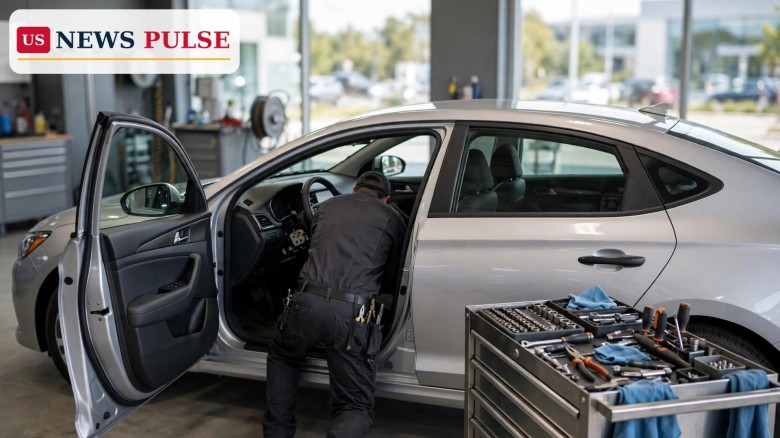
Honda is recalling 810,592 cars and SUVs in the United States because their Takata airbag inflators may rupture in a crash and spray metal fragments into the cabin. The Honda Takata airbag recall, announced on Friday, November 20, 2026, covers certain 2013 Honda Accord, 2012-2013 Honda Civic, 2012-2013 Honda CR-V, 2013 Acura ILX and 2013 Acura RDX vehicles sold or registered in 14 states and territories where heat and humidity put the inflators at greatest risk. Honda said there have been no injuries, crashes or ruptures tied to the recalled vehicles, and dealers will replace the inflators free of charge.
Key Points
- Honda is recalling 810,592 vehicles in the United States over Takata front passenger airbag inflators that may rupture, the automaker and the safety regulator said on Friday, November 20, 2026.
- The recall covers the 2013 Honda Accord, the 2012-2013 Honda Civic, the 2012-2013 Honda CR-V, the 2013 Acura ILX and the 2013 Acura RDX.
- Only vehicles sold or registered in 14 states and territories known for high heat, humidity and large temperature swings are covered, including Florida, Texas and California.
- With Toyota's recall announced a day earlier, about 1.6 million vehicles are now affected. Toyota's share is 790,000 vehicles worldwide, including 314,000 in the United States.
- No injuries, crashes or inflator ruptures have been reported, and Honda will replace the inflators free of charge.
What Happened
Honda Motor and Toyota Motor said on Friday, November 20, 2026, that they are recalling about 1.6 million cars, trucks and SUVs because Takata airbag inflators fitted to them could rupture. Honda's share is 810,592 older cars and SUVs in the United States, far more than the 314,000 Toyota and Lexus vehicles covered by Toyota's recall announced the day before.
The danger sits inside the inflator, the small metal canister that fills the airbag with gas in a fraction of a second when a crash is detected. After years of exposure to high heat and humidity, the chemical propellant inside can degrade and burn too fast when the inflator fires, bursting the metal housing and sending sharp fragments through the airbag into the cabin at high speed.
The National Highway Traffic Safety Administration said independent testing and inflator-degradation simulation models allowed the two automakers to act ahead of potential risks, and added that other automakers continue to conduct inflator analysis and testing.
Background and Context
The Takata airbag scandal is the largest vehicle safety recall in American history. Takata inflators used ammonium nitrate, a chemical that becomes unstable after long exposure to heat and moisture. When the propellant degrades, the inflator can explode instead of inflating the airbag in a controlled burst. Across the industry, the defective inflators have been linked to dozens of deaths and hundreds of injuries in the United States, and tens of millions of vehicles have been recalled. Takata itself filed for bankruptcy in 2017.
The 14 states and territories covered are the places where heat, humidity and large temperature swings do the most damage to the propellant over time: Alabama, California, Florida, Georgia, Hawaii, Louisiana, Mississippi, South Carolina and Texas, plus Puerto Rico, the US Virgin Islands, the Northern Mariana Islands, Guam and American Samoa.
Honda Takata Airbag Recall: Models, States and the Free Fix
The recall covers five nameplates from model years 2012 and 2013: the 2013 Accord, the 2012 and 2013 Civic, and the 2012 and 2013 CR-V on the Honda side, and the 2013 ILX and 2013 RDX on the Acura side. All are more than a decade old, the age at which heat and humidity have had the most time to degrade the inflator propellant.
Owners do not need to pay anything. Honda will replace the inflators free of charge, and owners can check whether their vehicle is covered right now using its vehicle identification number on the NHTSA website or by contacting their Honda or Acura dealer.
Reactions and Quotes
Both automakers stressed that the action is preventive. Honda and Toyota said there were no injuries or crashes tied to the recalled vehicles and no airbag inflator ruptures so far, and both companies said they will replace the airbag inflators in the affected cars.
The safety regulator framed the recall as the result of better science rather than a new failure. NHTSA said "independent testing and inflator-degradation simulation models" let the automakers act ahead of potential risks, and added that other automakers continue to conduct inflator analysis and testing. Safety advocates warn that older cars are the hardest to reach in a recall, because a 2012 Civic may have had three or four owners since it left the showroom.
Why It Matters
This recall matters because an airbag is supposed to save lives, and a rupturing inflator does the opposite. The front passenger seat is often where a spouse, a child in a booster seat or a friend sits, so the person at risk is frequently someone the driver cares about most.
It also matters because of the scale. More than 810,000 Honda and Acura vehicles, on top of the 314,000 Toyota and Lexus vehicles recalled a day earlier, means well over a million American drivers and their passengers are affected by the same Takata defect in a single week. The Accord, Civic and CR-V are among the best-selling vehicles in American history, and the 2012 and 2013 models covered here are still common daily drivers and family cars.
What Happens Next
Honda will contact the owners of the affected vehicles so dealers can replace the inflators free of charge. Owners who already know their vehicle is covered can call their dealer now to book the repair, rather than waiting for the letter to arrive.
Owners should check their vehicle identification number against NHTSA's recall database, especially if they bought their Honda or Acura used, or if the car was first sold or registered in one of the 14 covered states or territories. Toyota recalled 314,029 cars and SUVs a day earlier over the same Takata airbag problem, while Honda recalled 635,808 vehicles earlier this month over a power steering fault and Honda is building a new 3 billion dollar auto plant in Ohio.
Frequently Asked Questions
Which Honda and Acura vehicles are recalled?
It covers 810,592 vehicles: the 2013 Honda Accord, the 2012-2013 Honda Civic, the 2012-2013 Honda CR-V, the 2013 Acura ILX and the 2013 Acura RDX.
What is wrong with the Takata airbags in these cars?
The front passenger airbag inflators can rupture in a crash after heat and humidity degrade the propellant, sending metal fragments through the airbag and into the cabin at high speed.
Has anyone been hurt by the inflators in this recall?
No. Honda and Toyota said there were no injuries or crashes tied to the recalled vehicles and no ruptures so far.
Which states and territories are covered?
Alabama, California, Florida, Georgia, Hawaii, Louisiana, Mississippi, South Carolina and Texas, plus Puerto Rico, the US Virgin Islands, the Northern Mariana Islands, Guam and American Samoa.
How much does the repair cost, and how can I check my car?
The repair is free. Owners can check their vehicle identification number on the NHTSA website or by contacting their Honda or Acura dealer.
© 2026 US News Pulse. All rights reserved.
 Print
 Save