
DOJ Closes Probe Into NextEra Dominion Merger Worth $66.8 Billion After Grid Pledge
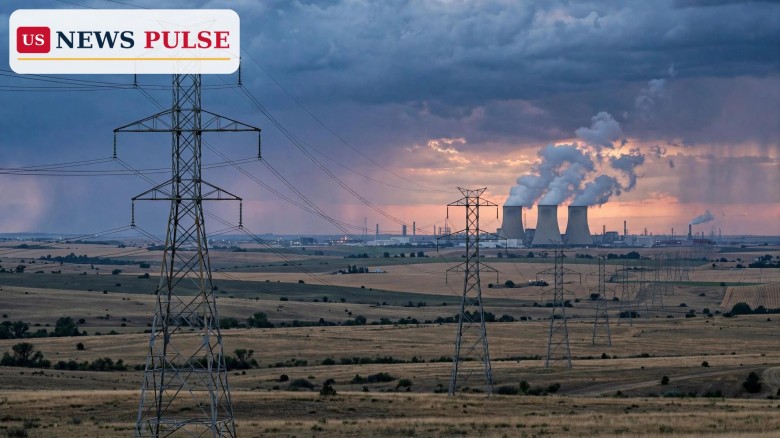
The US Department of Justice has closed its antitrust investigation into NextEra Energy’s $66.8 billion acquisition of Dominion Energy, clearing the biggest hurdle yet for a deal that would create the largest regulated utility in the United States. The decision, announced on Thursday, November 19, 2026, came only after the two companies pledged to give an independent market watchdog five years of control over power-plant shutdowns in New England — a safeguard the department said could save electricity customers hundreds of millions of dollars.
The clearance does not finish the deal. The merger still needs approval from the Federal Energy Regulatory Commission and state regulators in Virginia, South Carolina, North Carolina and Florida. Expert witnesses at hearings in Virginia have largely opposed the transaction. But the end of the Justice Department’s review removes the most serious federal antitrust threat to a combination first announced on May 18, 2026.
Key Points
- The Justice Department closed its antitrust probe into NextEra’s $66.8 billion takeover of Dominion Energy on Thursday, November 19, 2026.
- The deal would combine two of America’s largest electricity generators and create the nation’s largest regulated utility.
- The companies pledged to let ISO New England’s market monitor review plant shutdowns for five years, starting with the May 2028 capacity auction.
- The department said the pledge could save consumers hundreds of millions of dollars in electricity costs.
- The merger still needs approval from FERC and state regulators in Virginia, South Carolina, North Carolina and Florida.
What Happened
The Antitrust Division announced the closure on Thursday, November 19, 2026, in a statement laying out both its concern and the fix that resolved it. It had worried the combined company could shut down power plants in New England that were still economically viable, tightening supply in the region’s capacity market and pushing up the payments generators receive for keeping plants available — and household bills with them.
Before deciding, the division carried out what it called a detailed investigation, reviewing documents, interviewing industry participants and running sophisticated economic modelling of the New England capacity market. The turning point came when the companies told the Federal Energy Regulatory Commission they will “commit, without qualification, to comply” with a proposal from the Internal Market Monitor of ISO New England, the nonprofit that runs the region’s power grid. Under it, the monitor can investigate any plant the merged firm proposes to shut down over five years from the May 2028 auction, and if it finds the plant still has economic value, NextEra will be barred from deactivating it.
Background and Context
NextEra, headquartered in Florida, and Dominion, based in Richmond, Virginia, announced their agreement on May 18, 2026, in a $66.8 billion transaction. Both are among the largest electricity generators in the country, and the combined company would become the nation’s largest regulated utility.
Their plants overlap in two regional grid markets: PJM Interconnection, covering parts of the Midwest and Mid-Atlantic, and ISO New England, which runs the grid across six New England states. Those markets are run by nonprofits that hold auctions in which generators are paid to keep plants on standby for peak demand. The payments, known as capacity payments, feed directly into the bills paid by homes and businesses — and that is what drew the scrutiny.
NextEra Dominion Merger: The Grid Safeguard That Won Over the Justice Department
The safeguard hands the key decision to the market monitor, not the merged company. For five years, every proposed plant deactivation in New England will be open to investigation, and a finding that the plant still has economic value will block the shutdown outright. The review period begins with the capacity auction in May 2028.
The department put a value on the protection, saying the companies’ commitment to give up their unilateral right to deactivate units in New England “will protect consumers in the region from potentially hundreds of millions of dollars of increased electricity costs.” The pledge is also unusually broad: the companies said they would honour it whether or not the regulator makes it a formal condition of approval.
Reactions and Quotes
The Justice Department framed the outcome as a win for electricity customers. “The Antitrust Division continues to focus on the needs of electricity customers across the country to ensure that they benefit from competition among electricity generators,” it said. “As demands on electricity grids increase, it is critical that wholesale electricity and capacity markets are competitive and cannot be exploited.”
Not everyone is convinced. Expert witnesses at the Virginia State Corporation Commission hearings, already under way, have largely opposed the deal, arguing it carries risks for ratepayers. Their objections focus on Dominion’s Virginia customers, the largest part of the combined company’s regulated business.
Why It Matters
The clearance matters first for the millions of people who pay electricity bills in New England. Capacity payments are a real, if often invisible, part of those bills, and the department’s own estimate puts the stakes at hundreds of millions of dollars.
It also matters as a precedent. The department has shown it will clear even a very large utility merger when the companies offer a concrete fix for the specific harm it identified. Other utilities weighing mergers will read the decision as a signal: come with a safeguard that addresses the market where the harm would fall, and the antitrust review can close.
What Happens Next
The Federal Energy Regulatory Commission is still reviewing the transaction, and it can still impose its own conditions. It will weigh the same competition questions the Justice Department has now set aside, with the companies’ unconditional commitment now on the record.
In Virginia, the State Corporation Commission’s hearings are under way, with a decision due by mid-January 2027. Regulators in South Carolina, North Carolina and Florida must also approve the deal before it can close, and the opposition already heard in Virginia suggests none will be a formality.
Frequently Asked Questions
How big is the NextEra-Dominion deal?
Worth $66.8 billion, announced May 18, 2026. It would create the nation’s largest regulated utility.
Why did the Justice Department investigate?
The firms’ plants overlap in the PJM and ISO New England markets, and the department feared the merged firm could shut viable plants to raise capacity payments.
What safeguard did the companies agree to?
Five years of market-monitor review of plant shutdowns from the May 2028 auction; a plant the monitor finds valuable cannot be deactivated.
Is the merger complete now?
No. It still needs approval from FERC and regulators in Virginia, South Carolina, North Carolina and Florida.
What happens if the monitor blocks a shutdown?
NextEra cannot deactivate the plant. The commitment stands even if FERC does not impose it as a condition.
The Justice Department’s decision removes the biggest federal obstacle to the largest utility deal of the year, but the merger’s fate now rests with energy regulators and state commissions. In a week when Washington has weighed major corporate investigations and warnings about the national debt, the clearance is a reminder that the biggest deals in America are still decided market by market, safeguard by safeguard.
© 2026 US News Pulse. All rights reserved.
 Print
 Save