
Mike Johnson Urges House Republicans to Show Up as Absences Stall Lame-Duck Votes
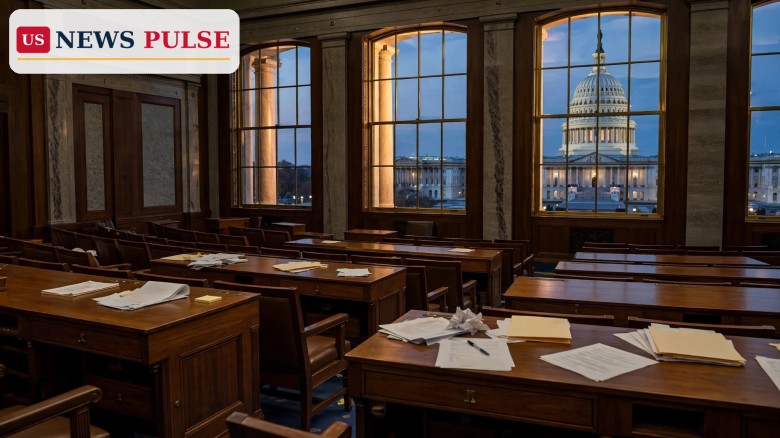
House Speaker Mike Johnson has told his fellow Republicans to show up for work, warning that absences are crippling the final weeks of the 119th Congress. Mike Johnson urges House Republicans to stay in Washington and finish the term, after empty seats forced party leaders to pull a vote from the floor this week.
In a "Dear Colleague" letter sent to House Republicans on Friday, November 20, 2026, and posted on X, Johnson urged every member of his conference to stay fully engaged for the final 44 days of the Congress, which ends at noon on January 3, 2027. "Barring any serious medical issue, we need every Republican to be here to faithfully complete our full two-year term," he wrote, closing in capitals: "LET'S SCORE EVERY POINT WE CAN AND LEAVE IT ALL ON THE FIELD!"
Key Points
- Speaker Mike Johnson's "Dear Colleague" letter of Friday, November 20, 2026, urged every House Republican to show up for the final 44 days of the 119th Congress.
- Fourteen Republicans missed votes on Wednesday, November 18, forcing leaders to pull a procedural vote; absences rose to 21 on Thursday, November 19.
- Clerk records show 23 to 35 members missed each of the last six floor votes since November 11, including 10 Democrats and one independent on Thursday.
- Friday votes were cancelled for Thanksgiving; the House returns Monday, November 30, with only 12 legislative days left.
- Johnson's priorities are a funding bill to avert a December 11 shutdown, the defence bill, the farm bill and the permitting bill the Senate passed late Thursday.
What Happened
The attendance problem came to a head in the middle of last week. On Wednesday, November 18, fourteen Republicans failed to show up, forcing leaders to pull a scheduled procedural vote from the floor. The next day, the final session day before Thanksgiving, 21 Republicans were missing, along with 10 Democrats and one independent.
Clerk records show the problem is not a one-day blip. Between 23 and 35 members missed each of the last six floor votes held since November 11, a run of empty seats that has made routine business unreliable. With Friday votes cancelled for the Thanksgiving break, the House will not return until Monday, November 30, leaving only 12 legislative days before the Congress ends.
Background: A Majority That Has Already Lost Power
The attendance crisis is the latest symptom of a Republican conference in retreat since Democrats won the House in the November 3, 2026 midterms. Johnson conceded the loss on election night in Shreveport, Louisiana, and the next day told staff he would not seek the House Republican leadership post in the new Congress.
That exodus helps explain the empty seats. Among the fourteen Republicans absent on Wednesday were Representatives Lauren Boebert of Colorado, Monica De La Cruz of Texas, Scott DesJarlais of Tennessee, Max Miller of Ohio and Jeff Van Drew of New Jersey. Eleven of the fourteen will not return next year, and more than 30 incumbent House Republicans lost their seats in November.
Mike Johnson Urges House Republicans to Show Up for the Lame Duck
Johnson's letter pushed back against that drift. He framed the final 44 days not as a winding-down but as a last chance to legislate, making attendance the test of whether the conference finishes its term intact. The capitalised closing line sounded like a coach, aimed at colleagues already treating the session as finished.
The numbers in the letter were also a reminder of how narrow the margins have become. Republicans hold only a slim majority, and with 23 to 35 members missing from recent votes, a handful of absences can sink a vote. That arithmetic forced leaders to pull Wednesday's rule vote, and Johnson is asking his members to fix it by simply being present.
Reactions
The sharpest reaction came from inside the conference. Representative Thomas Massie of Kentucky said the party is "already in a minority" and dismissed the missing members as "the retirement caucus", echoing colleagues who say departing members have checked out.
Johnson has not publicly named the absent members or threatened any sanction, and his letter relied on exhortation rather than discipline: a leader appealing to pride in finishing the job, rather than a Speaker wielding tools of office that are limited when it comes to compelling attendance.
Why It Matters
The attendance fight matters because the lame duck is not a ceremonial session. The December 11 funding deadline is real: if Congress fails to pass a funding bill, parts of the federal government will shut down as the new Congress takes over. The defence bill, the farm bill and the permitting overhaul all have consequences beyond this Congress, and each needs a functioning House to pass.
It also matters as a test of whether a defeated majority can still govern. The midterms stripped Republicans of the House, but not of the responsibility to legislate until January 3. If the conference cannot muster its members, the lame duck becomes six weeks of drift, and the incoming Democratic majority will inherit unfinished business that could have been settled in November and December.
What Happens Next
The House returns on Monday, November 30, with 12 legislative days left before the Congress ends on January 3, 2027. The first test will be whether attendance improves on their return, and whether Johnson's letter changed the pattern of the last two weeks.
The immediate priority will be the government funding bill, with the December 11 shutdown deadline falling less than two weeks after the House returns. If the absences continue, Johnson may have to rely on Democratic votes for must-pass legislation, underlining how far the outgoing majority's control has slipped.
Frequently Asked Questions
Why did Mike Johnson write to House Republicans?
Speaker Mike Johnson sent a "Dear Colleague" letter on Friday, November 20, 2026, urging every House Republican to stay fully engaged for the final 44 days of the 119th Congress, after absences forced leaders to pull a scheduled vote on Wednesday, November 18.
How many Republicans missed votes?
Fourteen Republicans missed votes on Wednesday, November 18, and 21 were absent on Thursday, November 19, along with 10 Democrats and one independent. Clerk records show 23 to 35 members missed each of the last six floor votes since November 11.
When does the House return from Thanksgiving recess?
The House returns Monday, November 30, 2026, with only 12 legislative days before the 119th Congress ends on January 3, 2027.
What bills still need to pass in the lame duck?
Johnson's priorities are a funding bill to avert a December 11 shutdown, the defence bill, the farm bill and the permitting bill the Senate passed late on Thursday, November 19.
Who called the absent Republicans "the retirement caucus"?
Representative Thomas Massie of Kentucky said the party is "already in a minority" and called the missing members "the retirement caucus". Eleven of the fourteen absent on Wednesday will not return next year.
Related: Congress returned for the lame-duck session after the GOP midterm rout, and Johnson stepped aside and will not seek the House GOP leadership role. The lame duck must also settle the renewal of FISA Section 702 before January.
© 2026 US News Pulse. All rights reserved.
 Print
 Save