
Trump Warns New Iran Strikes Could Resume After the New Year in Fox Interview
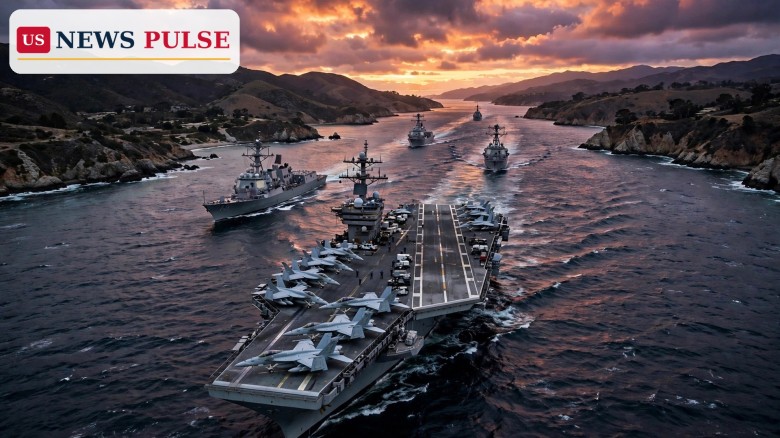
WASHINGTON. — President Donald Trump has warned that the United States is prepared to resume major military strikes against Iran after the New Year if negotiations fail, using a Sunday television interview to accuse Tehran's negotiators of stalling and dare Iran to test the American naval blockade.
Key Points
- Trump told Fox News correspondent Trey Yingst on Sunday, Nov. 22, 2026, that he is inclined to resume major strikes against Iran after the New Year if talks fail.
- No final decision to launch additional strikes has been announced.
- Trump called Iranian negotiators "professional tap dancers", saying they have grown more aggressive since the US elections.
- Indirect talks continue with Qatar as intermediary; Trump insists any deal must be permanent and block Iran from a nuclear weapon.
- Trump dared Tehran to test the US naval blockade, warning US forces would open fire on vessels breaching it, and told Iranian protesters to "Keep protesting".
What Happened
The warning came in a phone interview with Fox News, broadcast on Sunday, Nov. 22, 2026, one day after Trump told the same network he intends to secure a "permanent" deal with Iran. Speaking to correspondent Trey Yingst, the president said he is inclined to return to large-scale military action early next year if the talks now under way through intermediaries produce nothing.
Trump's frustration was the sharpest part of the interview. He accused Iranian negotiators of stalling while stepping up hostilities since the US elections. "They talk all the time, all they do is talk," he said. "They're more aggressive now than before the election." He also dared Tehran to test the naval blockade of Iranian ports. "I hope they do, they'll all be at the bottom of the sea like the rest of the navy," he said. And to protesters in Iran, where demonstrations have flared again amid an economic and energy crisis, his message was two words: "Keep protesting."
Background and Context
The US-Iran war began on Feb. 28, 2026, when the United States and Israel launched Operation Epic Fury, and it is now in its ninth month. The fighting has included near-daily strikes, a US naval blockade of Iranian ports, and repeated attacks on shipping in the Strait of Hormuz, through which much of the world's traded oil passes.
Diplomacy has run alongside the fighting but has repeatedly stalled. Trump told Fox News on Saturday that any deal must be permanent and stop Tehran from ever acquiring a nuclear weapon, as set out in an interview broadcast on Saturday, Nov. 21. Earlier this month, Vice President JD Vance was told to stop pursuing negotiations, and CBS reported last week that the United States and Israel are considering renewed strikes as Iran rebuilds its missiles.
Trump had earlier said Gulf allies asked him to pause large-scale attacks, as reported in our earlier coverage, while Foreign Minister Abbas Araghchi warned Tehran would "rain down hell" if Washington chose war, as reported in our report on his warning.
Trump Warns Iran Strikes Could Resume After the New Year
The choice of a date is itself part of the message. Naming the New Year gives the talks a deadline without committing the president to a specific day, and tells Tehran the pause in large-scale strikes is not open-ended. It also gives the administration time to complete military preparations already under way, including positioning a third aircraft carrier in the region.
But Trump was careful to leave himself room. No final decision has been announced, and the warning was framed as an inclination rather than an order. That leaves the door open to a deal — and leaves Tehran guessing about how much time it really has.
The stakes are high. A resumption of major strikes would sharply escalate a war that has already killed thousands and disrupted global oil markets, and it would test the naval blockade, which Iran has challenged repeatedly with attacks on tankers. For now the talks continue through Qatar, which has acted as intermediary throughout the conflict.
Reactions and Quotes
The sharpest reactions in the interview were Trump's own words. On the negotiators: "They talk all the time, all they do is talk." On the blockade: "I hope they do, they'll all be at the bottom of the sea like the rest of the navy." On the protests: "Keep protesting."
Iranian officials have not yet responded publicly to this latest warning. On Saturday, however, Foreign Minister Abbas Araghchi said reopening the Strait of Hormuz would not be difficult if the United States accepts "reasonable" terms under international law. The protests inside Iran have meanwhile returned to the streets of several cities as the economy deteriorates, and Trump's two-word message was his most direct encouragement to the demonstrators in weeks.
Why It Matters
A deadline changes a negotiation. Until now the talks have had no public time limit, letting Tehran stretch them out while rebuilding its military and continuing its attacks on shipping. By naming the New Year, Trump has put a clock on the process and given his negotiators leverage they did not have before.
The warning matters for oil markets, too. The Strait of Hormuz carries a large share of the world's traded crude, and any resumption of major strikes would push prices higher, with direct consequences for American drivers — a link Trump himself made last week. It also matters for the protesters inside Iran, whose demonstrations are the most visible pressure on a government fighting a war abroad and an economic crisis at home.
What Happens Next
The immediate question is whether Tehran answers the warning, and how. A conciliatory response, or a concrete proposal through the Qatari channel, could extend the talks past the New Year. A defiant one, or another attack on shipping, would make renewed strikes more likely.
No date has been announced for a new round of talks. The gap — a permanent deal ending Iran's nuclear programme, against sanctions relief and security guarantees — remains wide. US officials say preparations for a possible resumption of large-scale operations are complete, with a third carrier in the region. If the New Year passes without a deal, the warning Trump issued on Sunday will be tested.
Frequently Asked Questions
What did Trump say about strikes on Iran?
He told Fox News on Sunday, Nov. 22, 2026, that he is inclined to resume major strikes against Iran after the New Year if negotiations fail. No final decision has been announced.
When could the strikes resume?
Trump pointed to after the New Year, giving the talks a deadline without naming a specific date for any military action.
Is a deal with Iran still possible?
Indirect talks continue through Qatar, and Trump insists any deal must be permanent and block Iran from a nuclear weapon.
What is the US naval blockade of Iran?
It is the American naval operation blockading Iranian ports, in force for months as part of the pressure campaign on Tehran. Trump warned US forces would open fire on vessels breaching it.
What did Trump say to protesters in Iran?
As anti-government demonstrations flared again in several Iranian cities, Trump told the protesters: "Keep protesting."
© 2026 US News Pulse. All rights reserved.
 Print
 Save