
Thanksgiving Storm to Hit East Coast With 50 mph Gusts and Flooding Thursday
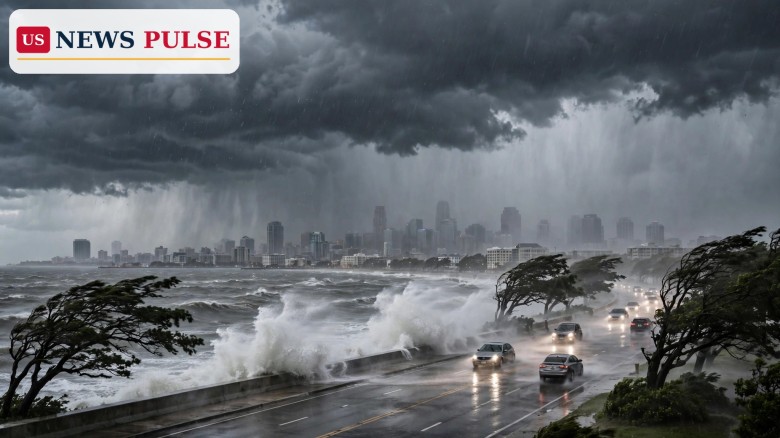
WASHINGTON — A powerful Thanksgiving storm is on track to slam the East Coast on Thursday, bringing easterly gusts topping 50 mph, heavy rain, high surf and coastal flooding to the Mid-Atlantic and New England. The National Weather Service said Sunday the storm “remains on track”, with a low forming near the Florida coast on Wednesday and racing up the coast on Thanksgiving Day itself.
The storm arrives at the worst moment for travellers. AAA projects 81.5 million Americans will travel at least 50 miles from home between Tuesday, November 24, and Monday, November 30, including 72.9 million by car and 5.96 million on domestic flights. Delays are already building: the FAA averaged 139-minute ground delays at LaGuardia and 105 minutes at Newark on Sunday evening, and 141 Boston Logan flights were delayed by 1 p.m. ET.
Key Points
- A low forms near the Florida coast on Wednesday, November 25, intensifies rapidly and tracks up the East Coast on Thanksgiving Day, Thursday, November 26.
- Easterly gusts could top 50 mph near the Mid-Atlantic coast, with heavy rain, high surf, coastal flooding, beach erosion and dangerously rough seas from the Mid-Atlantic to New England.
- Snow or ice is possible in the Central Appalachians, upstate New York and interior New England as colder air wraps into the storm.
- The 100th Macy’s Thanksgiving Day Parade starts at 8:30 a.m. Thursday in New York; its giant balloons cannot fly if sustained winds top 23 mph or gusts top 34 mph.
- A separate atmospheric-river storm hits the West Coast from Tuesday, with 2 to 4 inches of rain in northern California and southern Oregon and mountain snow.
What Happened
The National Weather Service’s Weather Prediction Center laid out the forecast in its extended discussion at 3 p.m. EST on Sunday, November 22. A low forms near the Florida coast on Wednesday, strengthens quickly as it moves north, arrives off the Mid-Atlantic on Thanksgiving Day and continues toward New England.
The centre said the holiday storm “remains on track”, language forecasters use when the models agree. The Boston office called it a “potentially significant coastal storm”, covering the stretch of coast where the strongest winds and worst flooding are expected. It is a different system from the weekend’s coastal storm, watched as a possible Subtropical Storm Kyle, which brought rain and gusty winds from Florida to the Northeast on Sunday and Monday. Read our earlier report on the weekend coastal storm and the Thanksgiving travel threat. The Thanksgiving storm is a second, separate low following the same coastline three days later.
Background and Context
Thanksgiving week is the busiest travel week of the year in the United States, and this year the numbers are at record levels. AAA projects 81.5 million Americans will travel at least 50 miles from home between Tuesday, November 24, and Monday, November 30 — 72.9 million by car and 5.96 million on domestic flights.
The timing is what makes this storm dangerous. The low reaches the Mid-Atlantic on Thanksgiving Day itself, the busiest travel day of the holiday, then moves into New England as millions begin the return trip. The West Coast faces its own system: an atmospheric river hits from Tuesday, bringing 2 to 4 inches of rain to northern California and southern Oregon, mountain snow and delays on I-5 between Seattle and San Francisco. Read our report on the record king tides threatening San Francisco Bay.
Thanksgiving Storm: Wind, Flooding and the Macy’s Parade
The most-watched wind number this week belongs to New York. The 100th Macy’s Thanksgiving Day Parade starts at 8:30 a.m. on Thursday, and its giant balloons cannot fly if sustained winds top 23 mph or gusts top 34 mph. With gusts of 50 mph possible along the coast, organisers will watch the forecast hour by hour, and the balloons could be grounded or flown lower than usual.
Along the coast, the wind is only half the problem. The storm will push ocean water toward the shore, bringing coastal flooding, beach erosion and dangerously rough seas from the Mid-Atlantic to New England. Inland, the storm turns wintry: snow or ice is possible in the Central Appalachians, upstate New York and interior New England. Read our earlier report on San Francisco’s warning as the king tides approached.
Reactions and Quotes
The National Weather Service has been steady in its message. Its Weather Prediction Center said in Sunday’s extended discussion that the Thanksgiving holiday storm “remains on track”, and the Boston office described it as a “potentially significant coastal storm”, signalling the threat to the coast is real and growing.
Why It Matters
It matters because of the scale. AAA’s 81.5 million travellers is one of the largest Thanksgiving travel totals ever recorded, and the storm will cross the most heavily travelled corridor in the country — the East Coast from Florida to Maine — on the holiday itself.
It matters because of the parade, and because it is two storms at once. The Macy’s parade is celebrating its 100th edition, and the 34 mph gust limit sits well below the 50 mph gusts forecast for the coast. Meanwhile the West Coast faces an atmospheric river with heavy rain, mountain snow and I-5 delays. No coast will escape the weather this week.
What Happens Next
The next 48 hours will decide how bad Thursday gets. The low forms near Florida on Wednesday, and forecasters will refine the track as it moves north. The key questions are how close to the coast the centre stays — closer means stronger winds and more flooding — and how fast it moves.
On Thursday, the storm reaches the Mid-Atlantic in the morning and New England later in the day. The Macy’s parade decision on the balloons will be made on Thursday morning based on the wind in New York. After Thanksgiving, the storm moves out to sea, but the travel impact will linger into the weekend as millions return home.
Frequently Asked Questions
When will the Thanksgiving storm hit the East Coast?
A low forms near the Florida coast on Wednesday, November 25, and tracks up the East Coast on Thanksgiving Day, Thursday, November 26.
How strong will the winds be?
Easterly gusts could top 50 mph near the Mid-Atlantic coast. The Macy’s balloons cannot fly if sustained winds top 23 mph or gusts top 34 mph.
Will the Macy’s Thanksgiving Day Parade balloons fly?
That depends on the wind in New York on Thursday morning. The 100th parade starts at 8:30 a.m., and the balloons could be grounded or flown lower if the wind exceeds the safety limits.
How many Americans are travelling for Thanksgiving?
AAA projects 81.5 million Americans will travel at least 50 miles from home between Tuesday, November 24, and Monday, November 30, including 72.9 million by car and 5.96 million on domestic flights.
Is the West Coast affected too?
Yes. A separate atmospheric-river storm hits the West Coast from Tuesday, with 2 to 4 inches of rain in northern California and southern Oregon, mountain snow and delays on I-5 between Seattle and San Francisco.
© 2026 US News Pulse. All rights reserved.
 Print
 Save