
Jeffries Vows First-Week Push to End Iran War and Sanction Violent Settlers
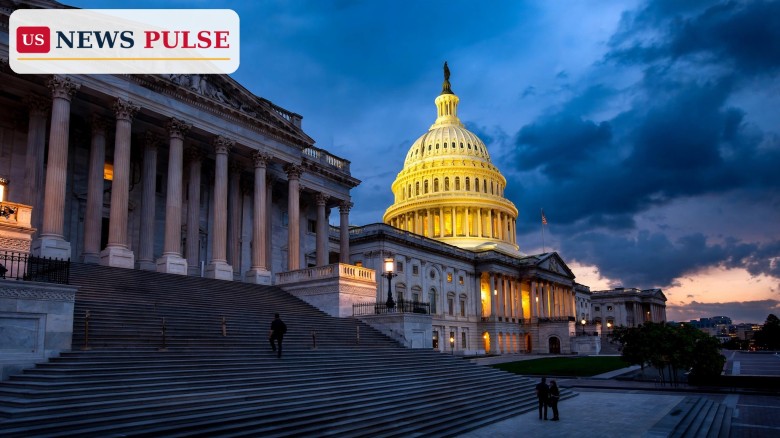
WASHINGTON — Incoming House Speaker Hakeem Jeffries has put ending the war in Iran at the top of the Democrats’ agenda, telling The New York Times that his party should move “aggressively” to end the conflict “very early on, in the first week or so” after taking control in January. Jeffries, nominated by his party last week to lead the chamber, tied the war to the cost of living, saying there is “probably nothing more immediate in terms of being able to provide economic relief to the American people than ending this conflict that should have never started to begin with.”
Key Points
- Jeffries says Democrats should move “aggressively” to end the Iran war in their first week in the House.
- He tied ending the war to lower costs, calling it the fastest relief while prices stay high.
- He pledged to advance the West Bank Settler Violence Protection and Prevention Act within 100 days.
- Jeffries called the devastation in Gaza “unacceptable” and restated support for a two-state solution.
- Democrats are weighing using the December 11 funding deadline to force an end to the war; Jeffries said Trump “can end it right now.”
What Happened
Jeffries set out the timetable in a New York Times interview published on Saturday, November 21, putting the Iran war first among the new majority’s priorities. On CBS’s Face the Nation on Sunday, November 22, he pressed the case in plainer terms: “We need to end this reckless and costly war of choice in Iran that has skyrocketed gas prices, food prices, and diesel prices. We need to reverse the Medicaid cuts. We need to restore SNAP benefits.”
The war is not waiting for January. President Donald Trump told Fox News on Sunday that he is inclined to resume major strikes against Iran after the New Year if negotiations fail. Democrats are now discussing using the December 11 government-funding deadline as leverage to force an end to the fighting.
Background and Context
The new commitments build on the agenda Jeffries laid out two weeks ago: opening votes to boost Medicaid, restore the enhanced ACA tax subsidy and act swiftly on legislation to end the Iran war. Read our report on Jeffries’ opening agenda for the new majority. What changed is the speed: a first-week promise, and a specific bill — the settler-sanctions measure — with a 100-day deadline.
The war has dominated Washington for months. The United States and Israel attacked Iran in February, and the fighting has driven up fuel prices and forced Congress into repeated war-powers votes — 14 in the Senate and six in the House. The Senate rejected a war-powers resolution 48-51 on Thursday, November 19, leaving the president’s military authority intact. Read our report on Trump’s warning that Iran strikes could resume after the New Year. House Democrats nominated Jeffries on November 18, and he expects about 260 seats when the new Congress is sworn in on January 3, 2027. He would be the first Black Speaker in American history. Read our report on Jeffries launching his Speaker bid.
Jeffries’ First-Week Plan to End the Iran War
The core of the plan is speed. Jeffries told the Times that ending the war should be the new majority’s first act, framing it as an economic measure as much as a foreign-policy one: the war is keeping gas, food and diesel prices high, and ending it is the fastest relief available to American households. That lets Democrats present a war vote as a cost-of-living vote — the issue that carried the midterms.
The mechanism is less settled. A war-powers vote has already failed in the Senate, and any House bill would face the Senate’s 60-vote threshold and a likely presidential veto. That is why the December 11 funding deadline matters: attaching war restrictions to a must-pass spending bill is the one lever that cannot simply be ignored. Jeffries did not commit to that tactic, but by raising it publicly he put the administration on notice. The settler-sanctions pledge adds a second front: advancing the West Bank Settler Violence Protection and Prevention Act within 100 days would put the House on record against settler violence, and the call for a two-state solution, with Gaza’s devastation described as “unacceptable,” signals a sharper Democratic line on the region.
Reactions and Quotes
Jeffries’s own words carried the weekend. On the war, he told the Times: “There’s probably nothing more immediate in terms of being able to provide economic relief to the American people than ending this conflict that should have never started to begin with.” On who can stop the fighting he was direct: “Donald Trump can end it right now.” The line echoes the urgency Jeffries has struck since the election, when he first laid out the opening agenda and promised Democrats would “get out of the gate fast.”
Why It Matters
The pledge matters first because of the calendar. The December 11 funding deadline arrives before the new Congress does, giving Democrats a chance to press the war question while Republicans still hold the House. If Democrats attach war restrictions to the funding bill, the result could be a shutdown fight over foreign policy, not just spending.
It matters second because of the politics. Jeffries is tying the war to the prices voters feel every day, turning a foreign-policy debate into a cost-of-living argument: the war is costing you money, and ending it is the fastest relief. A House vote to sanction violent settlers would also be a notable break with recent practice.
What Happens Next
The first test comes on December 11, when government funding runs out. Democrats must decide whether to attach Iran-war restrictions to the spending bill and risk a shutdown fight, or hold their fire until January. The new Congress is sworn in on January 3, and Jeffries’s first-week promise will be measured against the opening votes: a war bill, health-care votes to restore enhanced ACA tax credits and reverse Medicaid cuts, action on tariffs, and a ban on members of Congress trading stocks. The settler-sanctions bill follows within 100 days. The obstacles are real — the Senate’s 60-vote threshold and a likely veto — but the speaker-designate has put his name to a timetable.
Frequently Asked Questions
What did Jeffries promise about the Iran war?
Democrats should move “aggressively” to end the war “very early on, in the first week or so” after taking control of the House in January.
What is the West Bank Settler Violence Protection and Prevention Act?
Legislation imposing sanctions on violent settlers in the West Bank, which Jeffries pledged to advance within the first 100 days.
How could Democrats use the December 11 funding deadline?
By attaching restrictions on the Iran war to the must-pass funding bill due December 11, using it as leverage to end the fighting.
When do Democrats take control of the House?
The new Congress is sworn in on January 3, 2027. Jeffries was nominated as Speaker on November 18 and expects about 260 seats.
What else is on Jeffries’ early agenda?
Reversing Medicaid cuts, restoring SNAP benefits, extending ACA tax credits, tackling tariffs and banning members of Congress from trading stocks.
© 2026 US News Pulse. All rights reserved.
 Print
 Save