
Army Delays Iowa Lead Azide Detonation Again to Wednesday as Cold Snap Nears
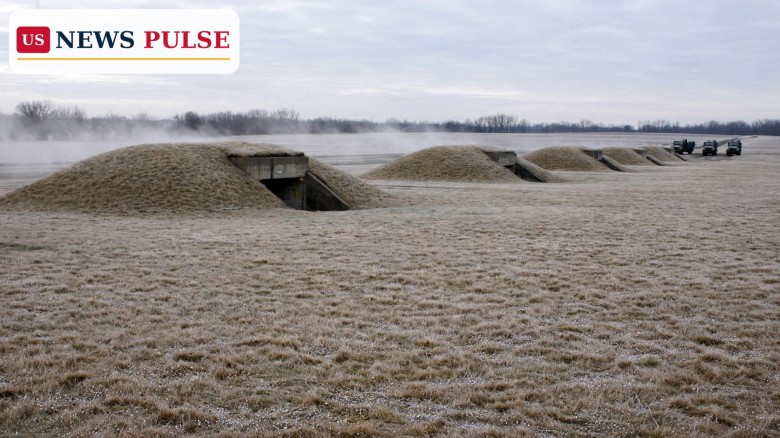
The US Army has delayed its planned controlled detonation of 68 barrels of unstable lead azide at the Iowa Army Ammunition Plant for a third time, pushing the blast to Wednesday, November 25, as freezing weather closes in on Middletown, Iowa. The Army said late on Sunday that the extra days would "allow for more optimal weather conditions and all mitigation measures to be emplaced".
Key Points
- The Army delayed the detonation of 68 barrels, about 9,500 pounds, of unstable lead azide to Wednesday, November 25.
- The blast was first set for Friday, November 20, then moved to Monday and then to Tuesday.
- The Army has not set a time for Wednesday or released new maps showing how far lead dust could travel.
- The material could explode on its own as temperatures fall, and Monday night's forecast low in Middletown is 22 degrees.
- Iowa Governor Kim Reynolds launched a dedicated website on Sunday with information from the Army and the EPA.
What Happened
The Army announced the latest delay in a news release late on Sunday, November 22. The detonation of the degraded explosive, stored at the Iowa Army Ammunition Plant in Middletown, will now take place on Wednesday, November 25. No time has been set, and the Army has not said whether residents will again be asked to leave the area around the plant.
The delay is the third in four days. The two controlled blasts were first scheduled for about noon on Friday, November 20. On Thursday evening, Acting Army Secretary Adam Telle postponed the detonation until Monday, November 23, calling it "the latest possible moment prior to a forecasted temperature drop, which would risk further destabilization of the material". The Army then said in a court filing on Saturday that it would invoke emergency munitions exclusions to act by Tuesday, November 24, without a permit. Now the date has moved again, to Wednesday.
Background and Context
The stockpile was found in March 2026, when a survey discovered that 68 barrels of lead azide, stored for about 20 years, had recrystallised and become too sensitive to move. Lead azide is a primary explosive used in detonators, and degraded it can detonate without warning. The Army concluded the drums could not be moved or opened safely.
The Environmental Protection Agency issued an emergency hazardous-waste permit on November 13. But on Thursday, November 19, the Iowa Environmental Council and the Sierra Club Iowa Chapter, represented by Earthjustice, sued in the 8th US Circuit Court of Appeals, and late that day the court froze the permit while it considers the challenge.
The Army said it could proceed without a permit under the "immediate threat" exception for munitions, telling the court it would act by Tuesday. That put the military on a collision course with the court. Governor-elect Rob Sand called the communication "an unacceptable lack of communication and clarity", and Senator-elect Josh Turek called for a delay until the health risks were better understood.
The Army's own plume model suggested toxic lead dust could travel up to 100 miles into Iowa and Illinois, and the original map, published on November 15, showed dust moving between Iowa City, Cedar Rapids, Clinton and Davenport, and as far north as Maquoketa. The Centers for Disease Control and Prevention states that no safe blood lead level has been identified in children.
Iowa Lead Azide Detonation Delayed Again as Cold Weather Raises the Stakes
The cold is not just a scheduling problem; it is part of the danger. The Army has warned that the degraded lead azide could explode on its own as temperatures drop, and the forecast low in Middletown on Monday night is 22 degrees. That is the paradox at the heart of the delay: the Army says it needs better weather to detonate safely, yet every day of waiting brings colder weather that makes the material itself more unstable.
Residents near the plant have been living with that uncertainty for more than a week. Schools and neighbourhood evacuations were planned for Friday morning, then stood down. The Army has not published a new plume map since November 15.
Reactions and Quotes
Governor Kim Reynolds moved on Sunday to fill the information gap, launching a dedicated website to gather information from the Army, the EPA and other partners in one place. Her office had said earlier that it only learned of the detonation plan on November 16, three days after the EPA issued its emergency permit.
The Army's own explanation for the delay was brief. The news release said the postponement would "allow for more optimal weather conditions and all mitigation measures to be emplaced", without giving a time for Wednesday or a new evacuation plan. Environmental groups behind the lawsuit have argued that the rush to detonate puts communities at risk. The Army has maintained that waiting carries its own risk, because the material grows more dangerous as it gets colder.
Why It Matters
This delay matters first for public health. Lead is a potent neurotoxin, and there is no safe level of exposure for children. A blast that throws lead dust into the air over south-east Iowa is not a routine military exercise; it is a public-health event, and the people downwind deserve to know what they may be breathing.
It also matters as a test of how emergency powers work when a court has intervened. The 8th Circuit froze the EPA's permit, yet the Army says it can proceed anyway under an emergency exception. How that standoff resolves will shape how the military handles dangerous stockpiles in future. Finally, it matters for trust: residents have been given shifting dates, a week-old plume map and no estimate of the lead release.
What Happens Next
The detonation is now set for Wednesday, November 25, though the Army has not announced a time. Watch for a new time, fresh evacuation guidance, and any updated plume map before the blast. The court challenge continues in parallel, and any ruling from the 8th Circuit before Wednesday could change the plan again. Governor Reynolds' new website is expected to carry updates from the Army and the EPA as the date approaches.
Frequently Asked Questions
When will the Iowa lead azide detonation happen now?
The Army has delayed it to Wednesday, November 25, 2026, after setting it first for Friday, November 20, then Monday and then Tuesday.
Why was it delayed again?
The Army said the delay would "allow for more optimal weather conditions and all mitigation measures to be emplaced". It has not set a time for Wednesday.
How much lead azide is involved?
Sixty-eight barrels, about 9,500 pounds or roughly five tons, stored for about 20 years in Middletown, Iowa.
Why is the detonation controversial?
The blast could release lead dust the Army's own model showed travelling up to 100 miles, and the EPA permit was frozen by the 8th Circuit after environmental groups sued.
What should residents do?
Check Governor Reynolds' dedicated website and local school and county notices for the latest guidance before Wednesday.
Read more: the Army said it would detonate the lead azide by Tuesday under emergency powers; the Eighth Circuit blocked the detonation as the court weighs the lawsuit.
© 2026 US News Pulse. All rights reserved.
 Print
 Save