
FBI Investigating Apparent Hack of NCIC Crime Database as Gun Checks Halt
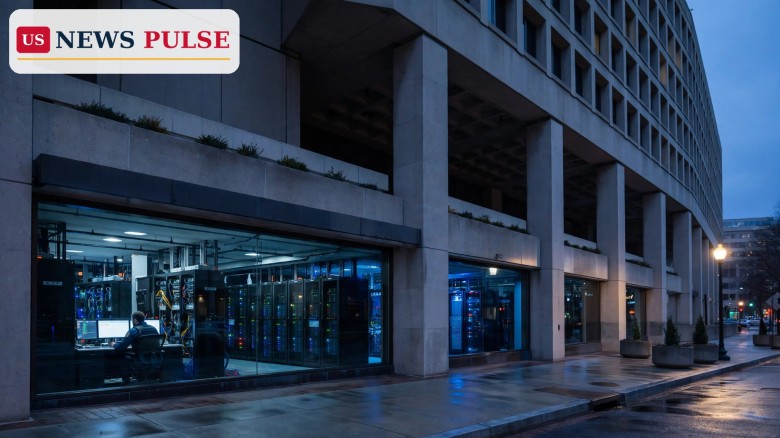
Washington, D.C. — The FBI is investigating an apparent hack of the National Crime Information Center, the nationwide criminal-justice database that police officers across America query every day to check arrest warrants, fugitives, missing persons, criminal histories, stolen vehicles and firearms, and protection orders. The suspected FBI NCIC hack, first reported on Friday, November 20, 2026, is already having real-world consequences: the Washington State Patrol has suspended its gun background-check system until the bureau says more.
Key Points
- The FBI is investigating an apparent hack of the National Crime Information Center (NCIC), the nationwide database used daily by federal, state and local police.
- CNN first reported the intrusion on Friday, November 20, 2026, citing two people briefed on the investigation; the Associated Press confirmed it on Saturday, November 21.
- The FBI has not publicly confirmed the incident and has declined to comment. The scope is not public, and it is unclear whether any records were copied, altered or deleted.
- President Donald Trump told Fox News on Saturday, November 21: "We just heard about it and I will say that it's not good."
- The Washington State Patrol suspended its SAFE gun background-check system on November 22, 2026, because SAFE queries the NCIC, while saying its own data shows no sign of compromise.
What Happened
CNN first reported the intrusion on Friday, November 20, 2026, citing two people briefed on the investigation, who said bureau officials learned of it by Thursday, November 19. The Associated Press confirmed the incident on Saturday, November 21, through a person familiar with the matter, while Fox News confirmed it through three sources and ABC News through a law-enforcement source.
What happened inside the system remains unclear. The FBI has not publicly confirmed the incident and has declined to comment, and the scope of the apparent breach is not public. It is not known when the intrusion began, how the attackers got in, or whether any records were copied, altered or deleted. No group has claimed responsibility.
The FBI NCIC Hack: What We Know So Far
President Donald Trump addressed the reports on Saturday, November 21, telling Fox News: "We just heard about it and I will say that it's not good." The president did not offer further detail about what the bureau had found or what steps were being taken in response.
The timing adds to the concern. It is the second FBI breach in two months. In September, the hacking group ShinyHunters claimed to have breached FBI systems through an unpatched Oracle PeopleSoft flaw on a third-party platform tied to the FBIJobs.gov recruitment site, and arrests followed. BleepingComputer reports there is no indication the NCIC incident is connected, but two incidents in quick succession raise obvious questions about the security of the bureau's systems.
Background: What the NCIC Does
The National Crime Information Center has been the backbone of American law enforcement data-sharing for decades. Operated by the FBI, it holds records that officers across the country rely on in real time: whether a person is wanted on a warrant, whether a vehicle has been reported stolen, whether a protection order is in force, and whether someone is barred from buying a firearm.
State systems plug into it. Washington's SAFE system queries the NCIC as part of the state's gun background-check process, which is why the apparent hack has already had a visible effect outside Washington, D.C. At this stage, there is no public evidence that records were copied, altered or deleted — but there is also no public assurance that they were not.
Reactions and the Washington Gun-Check Halt
The first concrete consequence came from Washington state. The Washington State Patrol suspended its SAFE gun background-check system as of November 22, 2026, until the FBI says more, because SAFE queries the NCIC. The patrol said there is no indication that SAFE data itself was compromised, but it stopped running checks rather than rely on a system whose integrity was in question.
The suspension shows how a single federal database can ripple through state systems. Gun background checks in Washington depend on the NCIC returning reliable answers, and while the suspension is in place, that part of the process is on hold.
Why It Matters
The NCIC is one of the most consequential databases in American law enforcement. If officers cannot trust the answers it gives, routine policing becomes harder and riskier: a warrant check that misses a fugitive, a stolen-vehicle lookup that returns the wrong result, or a protection order that does not show up could all have immediate consequences on the street.
The incident also fits a wider pattern of pressure on federal systems. The September breach tied to the FBI's recruitment site, the vendor hack that exposed data from Visa, Mastercard and JPMorgan, and the finding that 17 of 22 federal agencies fall short on zero-trust cybersecurity all point to the same problem: the systems the country depends on are under constant attack.
What Happens Next
The FBI investigation is now the central question. Investigators will need to establish when the intrusion began, how the attackers gained access, and whether any records were copied, altered or deleted — the facts that will determine whether this was a limited intrusion or a serious compromise of the database.
Washington state is waiting on the bureau before it restarts its SAFE background-check system. A public statement from the FBI is the step most likely to come next, along with questions from Congress about how the breach happened and what is being done to prevent another.
Frequently Asked Questions
What is the NCIC?
The National Crime Information Center is the FBI-operated nationwide criminal-justice database that federal, state and local police query every day for arrest warrants, fugitives, missing persons, criminal histories, stolen vehicles and firearms, and protection orders.
What happened in the FBI NCIC hack?
The FBI is investigating an apparent hack of the NCIC, first reported by CNN on Friday, November 20, 2026. The bureau learned of it by Thursday, November 19, and the Associated Press confirmed it on Saturday, November 21. The scope is not public.
Has the FBI confirmed the hack?
No. The FBI has not publicly confirmed the incident and has declined to comment. President Donald Trump told Fox News on Saturday, November 21: "We just heard about it and I will say that it's not good."
Why did Washington suspend gun background checks?
The Washington State Patrol suspended its SAFE gun background-check system on November 22, 2026, because SAFE queries the NCIC. The patrol said there is no indication SAFE data itself was compromised, but it paused checks until the FBI says more.
Is this connected to the earlier FBI breach?
There is no indication the NCIC incident is connected to the September breach, when ShinyHunters claimed to have breached FBI systems through an unpatched Oracle PeopleSoft flaw on a third-party platform tied to FBIJobs.gov, and arrests followed.
Read more: US Ports Under Cyber Siege as Hackers Launch Thousands of Attacks a Day; Visa, Mastercard and JPMorgan Data Leaked by Ransomware Group n0n in Vendor Hack; Zero-Trust Cybersecurity: GAO Finds 17 of 22 Federal Agencies Fall Short.
© 2026 US News Pulse. All rights reserved.
 Print
 Save