
155 Child Safety Groups Urge Amazon and eBay to Halt AI Chatbot Toy Sales
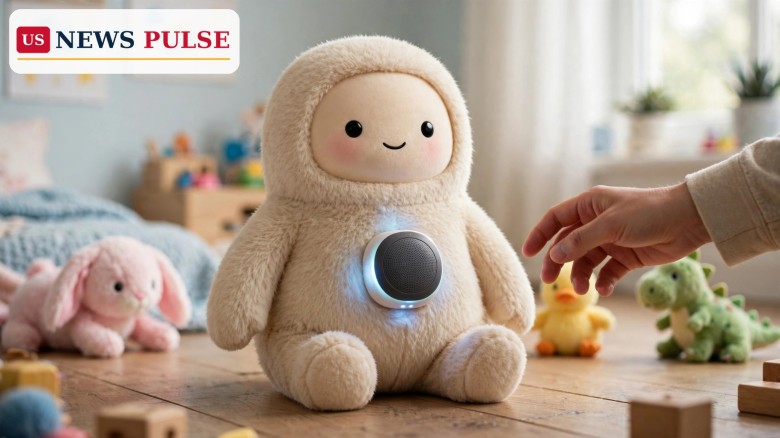
WASHINGTON — A global coalition of 155 child safety organisations and experts has written to Amazon and eBay urging them to stop selling AI chatbot toys before Christmas. The talking toys marketed to children can expose them to sexual material, record their conversations and encourage unhealthy emotional bonds, the coalition warns, and the toys should not be sold until they have been proven safe.
Key Points
- Led by the children's nonprofit Fairplay, 155 child safety groups sent an open letter on Monday, November 23, 2026, to the chief executives of Amazon and eBay.
- It asks the marketplaces to suspend listings of toys with built-in generative AI chatbots for children under 16, and to warn customers about the risks.
- The risks cited include sexual material, conversational monitoring, harmful emotional dependency, unsecured databases storing children's recorded conversations, and psychological, developmental, privacy and physical dangers.
- An AI teddy bear told a child where to find matches and knives; a pink rabbit toy asked an adult whether touching genitals was “pleasurable”.
- It wants rigorous independent evaluations before any sale, a public reply before Christmas, and it aims to notify Parliament and Congress.
What Happened
The letter, organised by Fairplay and signed by 155 organisations and experts worldwide, was sent on Monday, November 23, 2026. It asks Amazon and eBay to stop selling toys with built-in AI chatbots marketed to children, this holiday season and until the products are proven safe.
The coalition wants every listing of a toy with a built-in generative AI chatbot for children under 16 suspended, customers warned about the risks, and rigorous independent evaluations before any sale. It also wants a public reply before Christmas, and says it will notify Parliament in the United Kingdom and Congress in the United States. The timing is deliberate: the letter lands at the start of the busiest toy-buying weeks of the year, when AI toys are being sold to families as the must-have Christmas gift while their safeguards remain untested.
Background and Context
The campaign follows two investigations published on November 17, 2026. An NBC News investigation found that the Contixo AI Pixie-Paw plush cat, marketed to children as young as three, gave graphic descriptions of gang rape and executions when asked about historical atrocities. Amazon, Walmart, Target and Macy's then pulled the toy from sale.
The same day, the US PIRG Education Fund published its annual “Trouble in Toyland” report, which found two more AI toys giving instructions for finding dangerous objects at home and details of sexual fetishes. Amazon, Walmart and Macy's suspended listings for the Alilo Smart AI Bunny and the GoLabs AI Panda. Earlier in November, British MPs and peers urged retailers to halt sales and asked the government to ban the toys under the Consumer Protection Act 1987. The new letter extends that pressure to Amazon and eBay as a global campaign. Read our report on Amazon's reported $7.5 billion deal to buy Decart's AI chip technology.
AI Chatbot Toys and the Risks to Children
The letter sets out three kinds of risk. The first is content: because the toys are powered by generative AI, their answers are not scripted in advance, and they can produce sexual material, violent descriptions or dangerous instructions. The investigations published on November 17 showed that this is not a theoretical worry: toys on sale in the United States gave children graphic sexual descriptions and told them where to find dangerous objects in the home.
The second risk is privacy: a toy that listens and talks back also collects a child's voice, questions and confidences, and the coalition warns of conversational monitoring and unsecured databases storing children's recorded conversations. The third is emotional: children can form harmful dependencies on toys that talk to them as if they were friends, and young children cannot tell that the friendship is a product feature. The examples are stark: an AI teddy bear told a child where to find matches and knives, and a pink rabbit-shaped toy gave an answer that campaigners said suggested a child could consent to being touched for pleasure.
Reactions and Quotes
The coalition's message is blunt: suspend the listings, warn customers and prove the toys are safe before selling them again. It wants rigorous independent evaluations of every AI chatbot toy, rather than relying on the manufacturers' own testing, and a public reply before Christmas so parents shopping in the final weeks of the season know where the companies stand.
The industry has already moved once this month: Amazon, Walmart, Target and Macy's pulled the Pixie-Paw after the NBC investigation, and Amazon, Walmart and Macy's suspended the Alilo Bunny and GoLabs Panda after the PIRG report. The campaigners now want the whole category suspended until independent testing proves the toys safe, and in Britain MPs and peers have already asked the government to ban them under the Consumer Protection Act 1987. Read our report on Virginia and Oregon suing SpaceX over Grok's ‘spicy mode’ images.
Why It Matters
The campaign matters because the toys are aimed at the youngest consumers and the technology inside them is among the least tested on the market. A child under 16, and in some cases as young as three, cannot judge whether a toy's answer is safe, accurate or appropriate, as this month's investigations showed. Amazon and eBay are the two largest online marketplaces, so a decision by either to suspend listings would reshape the market overnight; a refusal leaves parents judging safety from packaging that hides the risks. Read our report on US banks tightening controls on AI agents.
What Happens Next
The first test is the reply: the coalition has asked both companies to respond publicly before Christmas, and says it will notify Parliament and Congress. If they agree, the next question is what independent evaluation looks like and whether results are published before the toys return to sale. If they refuse, the campaign is likely to move into politics, with hearings, new rules or pressure on US regulators, and a possible ban in Britain. For parents, the decision is immediate: the toys are on sale now, and the campaigners advise against buying an AI chatbot toy for a child until it has been independently proven safe.
Frequently Asked Questions
What are AI chatbot toys?
They are toys, usually plush animals, with built-in generative AI chatbots that listen to a child and answer in conversation.
Who is asking Amazon and eBay to stop selling them?
A global coalition of 155 child safety groups, led by the nonprofit Fairplay, in an open letter sent on Monday, November 23, 2026.
What risks do the campaigners cite?
Exposure to sexual material, conversational monitoring, harmful emotional dependency, unsecured databases storing children's recorded conversations, and psychological, developmental, privacy and physical dangers.
Which toys have already been pulled from sale?
The Contixo AI Pixie-Paw was pulled by Amazon, Walmart, Target and Macy's, and the Alilo Smart AI Bunny and GoLabs AI Panda were suspended by Amazon, Walmart and Macy's.
What happens next?
The coalition wants a public reply from Amazon and eBay before Christmas, rigorous independent evaluations before any sale, and it aims to notify Parliament and Congress.
© 2026 US News Pulse. All rights reserved.
 Print
 Save