
Villavicencio Car Bomb Hits Meta Governor's Office, Injuring 19 in Colombia
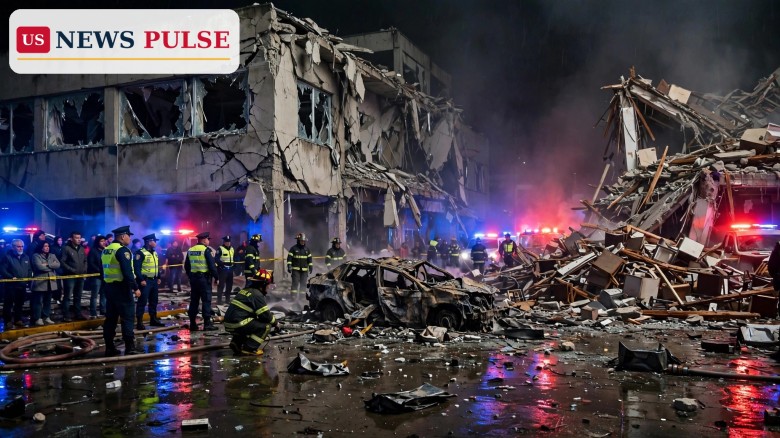
VILLAVICENCIO, Colombia — A Villavicencio car bomb exploded outside the Meta department governor’s office in central Villavicencio late on Monday, injuring 19 people and flattening a cafe in the city centre, in the latest attack on a Colombian government target.
The car, loaded with explosives, detonated outside the Gobernación del Meta near Plaza Los Libertadores and Parque Central at about 9:30 p.m. local time on Monday, November 23, 2026. At least 12 people were reported injured in the first accounts, most of them security staff, including two employees of the Meta Governor’s Office. Later reports put the toll at 19, some seriously hurt. No deaths had been reported by Monday night.
President Abelardo de la Espriella confirmed the explosives attack on social media, blamed drug-trafficking groups he called “narcoterrorists” without naming a specific organisation, and said his government will not negotiate with narcoterrorists. No group had claimed responsibility by Tuesday morning.
Key Points
- A car loaded with explosives detonated outside the Meta department governor’s office (Gobernación del Meta) in central Villavicencio, near Plaza Los Libertadores and Parque Central, at about 9:30 p.m. on Monday, November 23, 2026.
- At least 12 people were injured in the first reports, most of them security staff, including two Meta Governor’s Office employees. Later reports put the toll at 19, some seriously hurt. No deaths had been reported by Monday night.
- The blast damaged buildings within about 500 metres, badly damaging the governor’s office facade and windows. It destroyed two commercial establishments — including a two-storey cafe that collapsed completely — and at least three vehicles.
- President Abelardo de la Espriella confirmed the attack on social media, blamed drug-trafficking groups he called “narcoterrorists”, and said his government will not negotiate with them.
- No group had claimed responsibility by Tuesday morning. The bombing follows the November 23 Cucuta drone attack and the November 7 Santa Rosa del Sur base attack.
What Happened
The explosion ripped through the centre of Villavicencio, the capital of Meta department and the gateway to Colombia’s eastern plains. The bomb went off directly outside the Gobernación del Meta, the seat of the departmental government, beside Plaza Los Libertadores and Parque Central, the city’s main square.
The blast was felt across a wide area. Buildings within about 500 metres were damaged, and the governor’s office took the worst of it: its facade was badly damaged and its windows blown out. Two commercial establishments were destroyed outright, one of them a two-storey cafe that collapsed completely, and at least three vehicles were destroyed.
The injured were mostly security staff working at or around the governor’s office, and two were employees of the Meta Governor’s Office itself. The first reports counted at least 12 injured; as the night went on, later reports put the toll at 19, with some seriously hurt. By Monday night, no deaths had been reported, despite the scale of the destruction.
The Villavicencio Car Bomb Follows a Deadly Pattern
The Villavicencio bombing is the latest in a rapid escalation of attacks on Colombian government targets, following two other attacks in little more than two weeks. On November 7, explosive-laden drones hit the army base at Santa Rosa del Sur, killing three soldiers and wounding 16. The defence minister blamed ELN rebels for that attack.
Then, in the early hours of Monday, November 23 — the same day as the Villavicencio bombing — explosive drones struck the police headquarters in Cucuta, injuring three civilians and damaging more than 60 homes in the first drone attack on a major Colombian city. A police station in Curumani, Cesar, was also attacked with drones that day.
What links the three attacks is the target: the Colombian state itself. Santa Rosa del Sur was a military base, Cucuta a police headquarters, and Villavicencio a departmental government headquarters. The weapons differ — drones in the first two cases, a car bomb in Villavicencio — but the direction is the same: from rural outposts towards cities and the institutions of government.
Reactions: President Blames “Narcoterrorists”
President Abelardo de la Espriella moved quickly to frame the attack. Confirming the explosives attack on social media on Monday night, he blamed drug-trafficking groups he called “narcoterrorists”, and said his government will not negotiate with narcoterrorists. He did not name a specific organisation, and by Tuesday morning no group had claimed responsibility.
Several armed groups operate in Meta department and across the eastern plains, including dissident factions of the former FARC and the ELN, which the defence minister blamed for the Santa Rosa del Sur attack. Attribution will shape the government’s response, and for now it remains open.
Why It Matters
It matters because of where the bomb went off. The Gobernación del Meta is the seat of government for an entire department, in the centre of its capital city, beside the main square. A car bomb there is an attack on the visible presence of the state, where civilians, shopkeepers and office workers go about their daily lives.
It matters because of the timing. The bombing came on the same day as the Cucuta drone attack, two weeks after Santa Rosa del Sur, and days after Colombia rejected a United States plan for joint military operations against drug gangs. Taken together, the attacks describe a campaign that is intensifying, moving from military targets towards civilian and government centres.
What Happens Next
The immediate priority is the injured. With some of the 19 described as seriously hurt, the toll could still change, and officials are expected to give updated casualty figures.
Investigators will now work to establish who built and placed the car bomb. With no group having claimed responsibility, attribution is the central open question, and security around government buildings is likely to tighten, in Villavicencio and beyond.
Frequently Asked Questions
How many people were injured in the Villavicencio car bomb?
At least 12 were reported injured at first, most of them security staff, including two Meta Governor’s Office employees. Later reports put the toll at 19, some seriously hurt. No deaths had been reported by Monday night.
Where exactly did the bomb go off?
Outside the Meta department governor’s office, the Gobernación del Meta, in central Villavicencio near Plaza Los Libertadores and Parque Central, at about 9:30 p.m. local time on Monday, November 23, 2026.
Who did the president blame for the bombing?
President Abelardo de la Espriella blamed drug-trafficking groups he called “narcoterrorists”, without naming a specific organisation. No group had claimed responsibility by Tuesday morning.
What was destroyed in the blast?
The blast wave damaged buildings within about 500 metres, badly damaging the governor’s office facade and windows. It destroyed two commercial establishments, including a two-storey cafe that collapsed completely, and at least three vehicles.
Is this part of a wider pattern of attacks in Colombia?
Yes. It follows the Cucuta drone attack on November 23, which injured three civilians and damaged more than 60 homes, and the November 7 attack on the Santa Rosa del Sur army base, which killed three soldiers. The United Nations has reported a 445% increase in drone bombings in Colombia.
© 2026 US News Pulse. All rights reserved.
 Print
 Save