
Pentagon Calls Canada 'Not a Credible Partner' Over Defence Gaps - US News Pulse
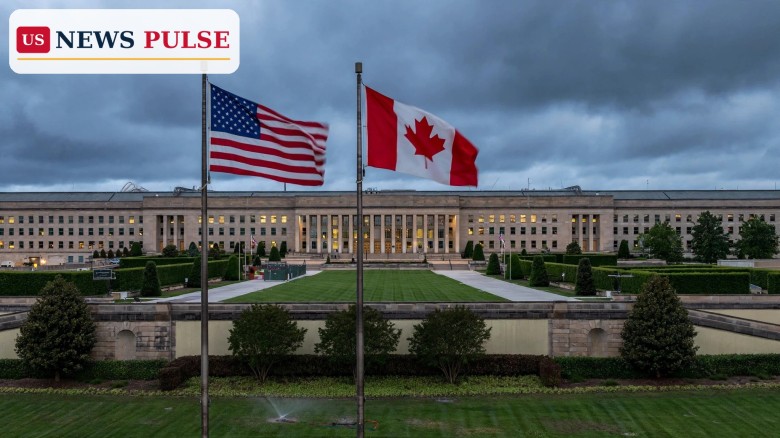
The Pentagon has publicly declared that Canada is "not a credible partner" in defending North America, releasing an unusually blunt fact sheet on Monday that accuses Ottawa of letting its armed forces decay while American taxpayers carry the cost of continental defence. The document, issued by the US Department of War on November 23, 2026, puts hard numbers behind the criticism: only 41.9 per cent of the Royal Canadian Air Force fleet is serviceable, 53.9 per cent of the naval fleet is ready, and army operational readiness stands at just 48 per cent. It also attacks Canada's year-long review of its planned purchase of 88 American-made F-35 fighter jets, warning a mixed fleet would deepen personnel shortages and create uncertainty for NORAD.
Key Points
- The Pentagon says "Canada's defense shortfalls speak for themselves" and demands Ottawa "get serious and focused."
- Only 41.9 per cent of Canada's air force fleet is serviceable, 53.9 per cent of its navy is ready, and army readiness is 48 per cent.
- Ottawa's review of its planned 88 F-35 jets is attacked as a risk to NORAD and stretched personnel.
- Canada has "yet to articulate a resourced path" to NATO's target of 5 per cent of GDP on defence by 2035.
- Ottawa replied it "continues to engage constructively and professionally"; Defence Minister David McGuinty called relations "business as usual."
What Happened
The Department of War published the fact sheet on Monday, November 23, 2026 — an unusually public intervention in the defence affairs of America's closest ally and NORAD partner. Where governments normally complain in private, the Pentagon put its verdict in writing, in public: "Canada's defense shortfalls speak for themselves," it said, adding that "Canada must get serious and focused."
The central charge is underinvestment. Years of low spending have, in the Pentagon's words, "atrophied the Canadian Armed Forces," leaving the United States to shoulder the burden of defending the continent.
The fact sheet also attacks the F-35 review. Prime Minister Mark Carney put the planned purchase of 88 American-made jets under review after President Donald Trump threatened Canadian sovereignty and imposed tariffs, and Canada has examined Sweden's Gripen as an alternative. The Pentagon warns a mixed fleet would worsen personnel shortages and create uncertainty for NORAD. On spending, it says Canada has "yet to articulate a resourced path" to NATO's 5 per cent target by 2035, with the largest increases postponed until after the 2029 election. The latest budget reaches 4.1 per cent on combined defence and security, but only 2.6 per cent on core defence.
Background: A Relationship Under Strain
The rebuke is the second blow to the US-Canada defence relationship in three days: on November 21, Defence Secretary Pete Hegseth imposed new restrictions on defence cooperation with Canada in a classified memo, according to the Washington Post. The fact sheet now makes that frustration public, in language rarely used about an ally. The strain has built over a year of trade and sovereignty clashes: President Trump says Canada has been 'ripping us off' for 50 years — even as US Trade Representative Jamieson Greer says a new trade deal is 'fairly close'.
Canada's F-35 review sits at the centre of the dispute. Ottawa signed up for 88 of the American stealth jets, but Carney ordered a review after Trump's threats and tariffs, and Canada has looked at Sweden's Gripen as an alternative — splitting its fighter fleet between two aircraft types, with separate training, maintenance and supply chains. The Pentagon warns a country already short of personnel cannot run two fighter fleets at once.
NORAD, the binational command created in 1958, depends on the two countries operating compatible aircraft and sharing a common picture of the skies.
Pentagon Rebukes Canada Over Defence Shortfalls
The readiness numbers are the sharpest part of the Pentagon's case. An air force with only 41.9 per cent of its fleet serviceable cannot reliably keep fighters on alert across Canada; a navy at 53.9 per cent cannot keep ships at sea in three oceans at once. Army readiness of 48 per cent means fewer than half its units are ready.
The F-35 warning follows the same logic: a mixed fleet would demand more pilots, maintainers and spare parts from a force already short of all three. The spending complaint completes the picture: NATO members agreed to raise defence spending to 5 per cent of GDP by 2035, yet Canada's core figure is only 2.6 per cent, with the biggest increases pushed beyond the next election.
Reactions and Quotes
Ottawa's response was measured. Canada's defence department said it "continues to engage constructively and professionally" with its American counterparts, and Defence Minister David McGuinty, at the Halifax forum on November 21, called relations "business as usual." Neither addressed the readiness figures or the F-35 warning.
The contrast is striking: Washington chose a public fact sheet with named numbers and a named verdict; Ottawa chose quiet reassurance. It reflects Carney's bind: reversing the review now would look like giving in to American pressure, yet the Pentagon's intervention raises the cost of standing still.
Why It Matters
The rebuke matters because NORAD is not an abstraction: it scrambles fighters when Russian aircraft approach North American airspace, and its credibility rests on both partners being able to fly, sail and fight. If one partner's fleet is barely half ready, the other carries the gap.
It also matters for NATO. The 5 per cent target is the alliance's biggest spending commitment in decades, and Canada is one of its largest members. If Ottawa's path is, in Washington's words, not yet articulated and not yet resourced, other allies will notice — and so will Moscow. The trade talks add a third pressure point.
What Happens Next
The immediate question is the F-35 decision. Carney's review has run for a year, and the Pentagon has made clear what Washington wants: buying all 88 jets would settle the argument; a split buy would confirm its warning.
The spending question runs to 2029: the largest increases are scheduled after the next federal election, so the path to 5 per cent depends on a government not yet elected. Until Ottawa publishes a resourced plan, the Pentagon's charge will stand.
Frequently Asked Questions
What did the Pentagon say about Canada? In a fact sheet released on November 23, 2026, the US Department of War called Canada "not a credible partner" in defending North America.
What are the readiness figures? Only 41.9 per cent of the Royal Canadian Air Force fleet is serviceable, 53.9 per cent of the navy is ready, and army readiness is 48 per cent.
Why is the F-35 review an issue? Canada is reviewing its planned purchase of 88 F-35 jets and has examined Sweden's Gripen; a mixed fleet would worsen personnel shortages and create uncertainty for NORAD.
What is NATO's 5 per cent target? Alliance members agreed to spend 5 per cent of GDP on defence by 2035; the Pentagon says Canada has "yet to articulate a resourced path" to it.
How did Canada respond? Its defence department said it "continues to engage constructively and professionally," and Minister David McGuinty called relations "business as usual."
© 2026 US News Pulse. All rights reserved.
 Print
 Save