
Fourth Circuit Splits Virginia ICE Laws: State Can End 287(g) Pacts, Not Mask Ban
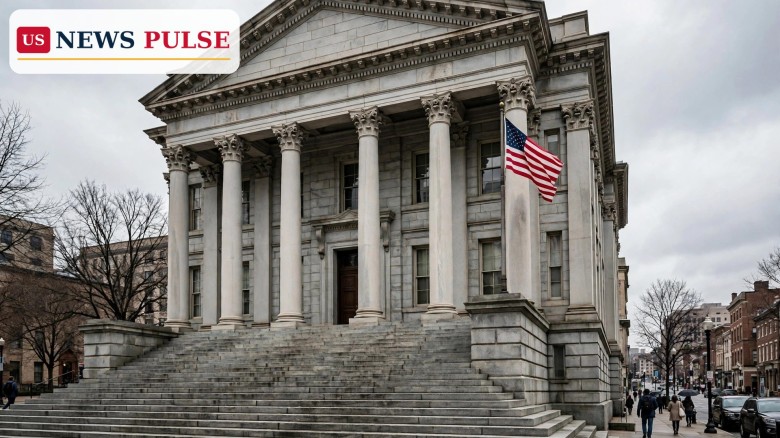
The US Court of Appeals for the Fourth Circuit split Virginia's two immigration laws in opposite directions on Monday, ruling that the state may end its cooperation agreements with federal immigration officers but may not enforce its ban on masked federal agents. The Virginia ICE laws Fourth Circuit ruling, handed down on November 23, 2026 in United States v. Virginia, gives both sides a partial win in a fight over how far a state can go in checking federal immigration enforcement.
Key Points
- Virginia may now enforce its 287(g) Law, holding the 30 existing ICE cooperation agreements to new terms or ending them.
- The state's Mask/Identity Law stays blocked: the court said it likely violates intergovernmental immunity as applied to federal officers.
- The 287(g) decision was unanimous; the mask decision was 2-1, with Judge Robert B. King dissenting.
- Judge Toby J. Heytens wrote the opinion, joined by Judge DeAndrea Gist Benjamin.
- Both rulings decide only preliminary injunctions; the case returns to the trial court for a decision on the merits.
What Happened
A three-judge panel of the Richmond-based Fourth Circuit ruled on two Virginia statutes that Governor Abigail Spanberger signed earlier this year, both challenged by the Justice Department in June. The panel unanimously vacated the preliminary injunction that had stopped Virginia from enforcing its 287(g) Law, which lets the state set new terms for the Section 287(g) agreements between US Immigration and Customs Enforcement and Virginia law-enforcement agencies — or end them. About 30 such agreements are in place across the state.
On the second law, the panel split 2-1. It affirmed the preliminary injunction blocking Virginia's Mask/Identity Law, which makes it a misdemeanour for an on-duty officer to wear a facial covering and requires officers to show visible identification. The majority held that the mask ban likely violates intergovernmental immunity as applied to federal officers. Judge Robert B. King concurred on the 287(g) law but dissented on the masks.
Background: Two Virginia Laws, One Lawsuit
The two laws were among the first immigration measures of Spanberger's governorship. She signed the 287(g) Law on April 22, 2026 and the Mask/Identity Law on May 20, 2026, amid a Democratic push to rein in cooperation with the Trump administration's deportation drive. The Justice Department sued on June 11, arguing that both laws interfered with federal immigration enforcement.
Senior US District Judge Robert E. Payne moved quickly. On June 30 he blocked the mask law, and on August 31 he barred Virginia from interfering with the existing 287(g) agreements while the case continued. Both sides appealed, and the Fourth Circuit heard arguments on October 27. Nationally, 287(g) pacts now number more than 2,700, up from 135 at the start of President Donald Trump's second term.
Virginia ICE Laws Fourth Circuit Ruling: What the Judges Decided
The unanimous part of the ruling turned on the contracts themselves. The court held that Virginia's 287(g) Law neither directly regulates the federal government nor violates the Contracts Clause, because the cooperation agreements expressly permit either side to end them unilaterally and without cause. That clears the way for Virginia to renegotiate the 30 agreements on its own terms or cancel them, a step that could sharply reduce local help for federal immigration operations in the state.
The mask ruling turned on a different doctrine. Intergovernmental immunity bars states from discriminating against or directly regulating the federal government, and the majority concluded the mask and identification requirements, as applied to federal officers, likely cross that line. The dissent took the opposite view: Judge King wrote that the government had pointed to no federal law, regulation or policy that the state statute actually conflicts with.
Importantly, neither ruling is final. Both decide only whether the trial court's preliminary injunctions should stand while the case proceeds.
Reactions
The split decision leaves each side claiming a meaningful win and a real loss. For Virginia, the 287(g) ruling is the bigger prize: it restores the state's leverage over the cooperation deals that put local sheriff's deputies and police officers on federal immigration work. For the Justice Department, the mask ruling preserves a practice the administration has defended as necessary for officer safety, keeping federal agents free of a state dress and identification code while the case continues.
The dissent gives Virginia its strongest material for the next round. Judge King's point — that the government identified no federal law, regulation or policy that overrides the state statute — is the argument the state is likely to press when the case returns to the trial court. Voters in several counties ousted sheriffs who had signed 287(g) agreements in this month's midterms.
Why It Matters
The decision matters first for Virginia, where the 30 cooperation agreements shape how immigration enforcement works on the ground. If the state ends or rewrites them, federal officers will lose local manpower and jail access in some of the state's largest counties. It also matters as a template: other states watching Virginia's experiment now have an appellate ruling saying a state may set the terms of its own cooperation deals, even as the same ruling warns that a state may not dictate how federal officers dress and identify themselves.
The court treated the two laws differently because the legal questions differ — one about a state's power over its own agreements, the other about its power over federal officers.
What Happens Next
The case returns to Judge Payne's court for a ruling on the merits, a process that could take months. Either side may also ask the full Fourth Circuit to rehear the panel's decision, a step that would put the mask question before all of the court's active judges. If Virginia moves quickly to renegotiate or end the 287(g) agreements, local agencies will have to decide whether to keep cooperating under new terms.
Watch too for copycat legislation. Other states that have debated mask bans or cooperation limits will read this ruling closely, and the dissent's reasoning gives them a roadmap for drafting laws that survive the intergovernmental immunity objection.
Frequently Asked Questions
What did the Fourth Circuit decide about Virginia's ICE laws?
The court split the two laws: Virginia may enforce its 287(g) Law and end or renegotiate its 30 ICE cooperation agreements, but its mask law stays blocked.
What is a 287(g) agreement?
It is a deal under Section 287(g) of the Immigration and Nationality Act that deputises state and local officers for federal immigration enforcement tasks. Virginia has about 30; nationwide there are now more than 2,700.
Why was the mask ban blocked?
The majority held that requiring on-duty federal officers not to wear facial coverings and to show visible identification likely violates intergovernmental immunity, which bars states from directly regulating federal officials carrying out federal duties.
Is the ruling final?
No. Both decisions concern only preliminary injunctions. The case returns to Senior US District Judge Robert E. Payne for a decision on the merits.
Who wrote the opinion?
Judge Toby J. Heytens wrote the opinion, joined by Judge DeAndrea Gist Benjamin. Judge Robert B. King concurred on the 287(g) law and dissented on the mask law.
© 2026 US News Pulse. All rights reserved.
 Print
 Save