
Russia Warns Estonia Actions Are 'On the Verge of Triggering Open War'
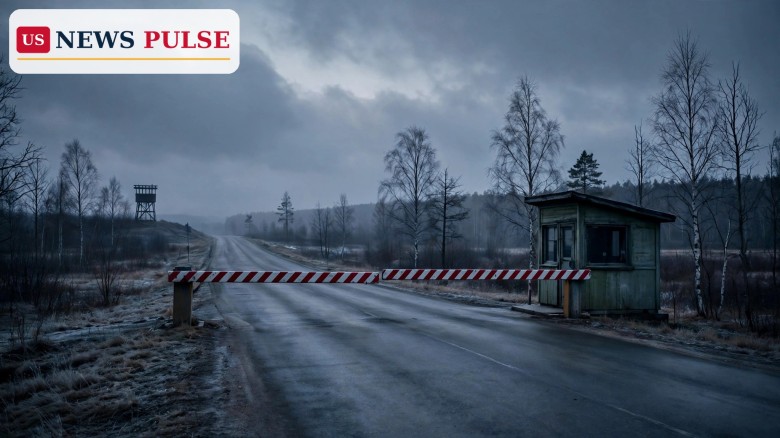
Moscow — Russia has warned Estonia that its actions are "on the verge of triggering open war," in the sharpest Russian threat yet against a NATO member state. The warning, issued by Russia's Foreign Ministry on Monday, November 23, 2026, came days after Estonia said it would close all land border crossings with Russia from December 1. Moscow summoned Estonia's charge d'affaires to deliver a formal protest, accusing Tallinn of a string of hostile acts, including letting Ukraine use Estonian airspace. Estonia rejected the claims, insisting it never allowed its territory to be used for military operations by another country.
Key Points
- Russia's Foreign Ministry said Estonia's actions are "on the verge of triggering open war" on Monday, November 23.
- Moscow summoned Estonia's charge d'affaires to protest the border closure from December 1.
- Russia accused Estonia of letting Ukraine use its airspace, obstructing Russian ships and banning grain transit.
- Estonia denied the claims, saying it has "never allowed, and will never allow" its territory to be used for military operations.
- The warning follows Estonia's accusation that Russian agents staged an attempted arson attack on a defence company.
What Happened
Russia's Foreign Ministry set out its accusations after calling in Estonia's charge d'affaires in Moscow. The diplomat was summoned over Tallinn's decision to close the border, and used the meeting for its harshest language yet toward the Baltic state. "The Estonian diplomat was once again told that such provocative and extremely dangerous actions are on the verge of triggering open war with Russia," the ministry said.
The statement listed several grievances. Moscow accused Estonia of letting Ukraine use its airspace "on the quiet" to attack Russian targets, of trying to obstruct Russian cargo ships in the Baltic Sea, of banning the transit of Russian and Belarusian grain, of seeking a ban on the Russian language and threatening to close the Russian Orthodox Church. The ministry closed with a warning: "The Russian side reserves the right to take comprehensive political and diplomatic measures aimed at protecting Russia's national interests and the legitimate rights of its citizens."
Background and Context
The confrontation has been building since Estonia said it would shut its border crossings with Russia from December 1 for at least six months. Estonia said it would close all Russia border crossings from December 1 after accusing Russian security services of staging an attempted arson attack on an Estonian defence company. Russia denied any involvement, but Tallinn pressed ahead, halting road traffic on one of NATO's most sensitive frontiers.
The airspace charge is not new: Russia has long accused Estonia and other Baltic NATO states of letting Ukrainian drones use their airspace. Ukrainian drones have frequently entered NATO airspace, which Kyiv blames on Russian signal jamming. NATO countries have repeatedly denied it, and blamed Russia for the incursions and for launching the war with Ukraine in 2022.
The dispute fits a wider pattern of drone and airspace incidents across the Baltic. NATO jets were scrambled twice earlier this month as drones crossed Lithuania and Latvia, and alliance air defences have been on heightened alert for months. Estonia, Latvia and Lithuania sit on NATO's north-eastern edge.
Russia Estonia Open War Warning: Reading Moscow's Language
The phrase "on the verge of triggering open war" is unusually direct for Russian rhetoric toward the Baltic states. Moscow has long accused its neighbours of hostility, but rarely frames a NATO member's actions as close to war. The wording stops short of a military threat: the ministry spoke of "comprehensive political and diplomatic measures," not force. That matters, because an attack on NATO member Estonia would trigger the alliance's collective defence commitment.
The timing is significant: the warning came the same day former Russian president Dmitry Medvedev argued that Russia could launch a preventive nuclear attack on Ukraine and NATO. Medvedev's warning of a preventive nuclear attack on Ukraine and NATO, days after the leaders of the United States, Russia and China met in Shenzhen and reaffirmed that a nuclear war cannot be won and must never be fought. Together, the two statements amount to a coordinated escalation of Russian rhetoric.
Reactions
Estonia's Foreign Ministry pushed back, without engaging with every allegation. "While we generally do not comment on or engage with Russian propaganda narratives, in this case we can reiterate that Estonia has never allowed, and will never allow, its territory to be used for military operations by another country," it said. The ministry added: "Other countries in our region have also made this position clear."
Tallinn's denial goes to the heart of Moscow's case: if Estonia has not allowed Ukrainian operations from its territory, the central accusation collapses. NATO countries have repeatedly denied intentionally allowing drones to use their airspace, and have blamed Russia for the incursions. Russia still denies any role in the attempted arson attack behind the border closure.
Why It Matters
The warning matters because of its target. Estonia is not just a neighbour of Russia; it is a member of NATO and the European Union, and an attack on it would be an attack on the whole alliance. Moscow knows that, which is why its language was framed in political and diplomatic terms. But the rhetoric raises the temperature on NATO's eastern flank, where border closures, drone incursions and sabotage claims have become routine.
For the United States and its allies, it is a test of alliance cohesion. The Baltic states have spent years warning that Russian pressure would intensify, and they have pushed for a stronger NATO presence on their soil. A Russian warning of open war strengthens the case for more forces, more air defence and more deterrence in the region.
What Happens Next
The immediate date to watch is December 1, when Estonia's border closure takes effect. If Tallinn holds to its plan, road traffic between the two countries will stop for at least six months, and Moscow will have to decide whether its promised "comprehensive political and diplomatic measures" amount to more than words. NATO allies will watch for any Russian response — diplomatic expulsions, trade measures or military signalling in the Baltic Sea — and for any sign Moscow intends to test the alliance.
FAQ
What did Russia say about Estonia?
Russia's Foreign Ministry accused Estonia of hostile actions "on the verge of triggering open war" on Monday, November 23, 2026.
Why is Estonia closing its border with Russia?
Estonia will close its border crossings with Russia from December 1 for at least six months, after accusing Russian security services of staging an attempted arson attack on a defence company. Russia denies involvement.
Is Estonia a member of NATO?
Yes — Estonia is a member of NATO and the European Union, so an attack on it would trigger the alliance's collective defence commitment under Article 5.
Did Estonia allow Ukraine to use its airspace?
Estonia denies it. Its Foreign Ministry said Estonia "has never allowed, and will never allow, its territory to be used for military operations by another country."
What happens on December 1?
Estonia's closure of its land border crossings with Russia takes effect, halting road traffic for at least six months.
© 2026 US News Pulse. All rights reserved.
 Print
 Save