
US Pauses Ecuador Military Operations Amid Probe Into Lethal Gang Raid
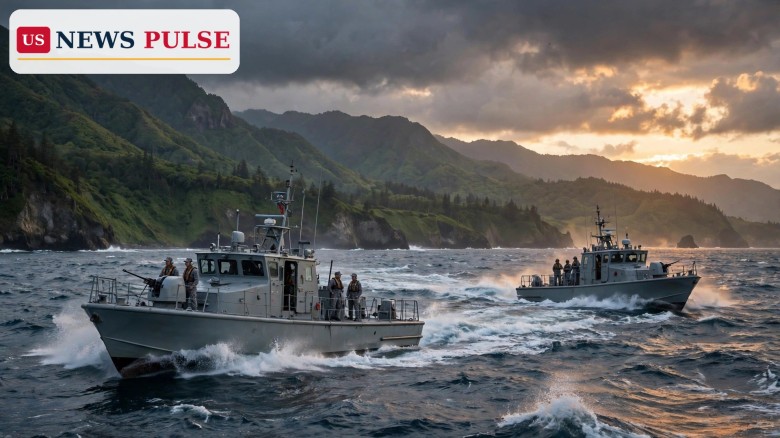
The Trump administration has quietly paused joint military operations with Ecuador while Washington investigates whether Ecuadorean forces committed crimes or human rights violations during a lethal raid in September, The New York Times reported on Tuesday, November 24, 2026. The pause, in place since mid-October, is a striking reversal for a security partnership the Pentagon had held up as a model in its campaign against Latin American drug gangs. It also raises questions about American oversight of the counter-narcotics operations the United States has expanded across the region, including the boat strikes in the Caribbean and the Pacific that have drawn lawsuits and scrutiny in Congress.
Key Points
- The United States paused joint military operations with Ecuador by mid-October 2026, pending an investigation into a September 23 raid.
- The raid killed Carlos German Munoz Jara, a high-ranking gang member, and US officials are examining whether Ecuadorean forces committed crimes or human rights violations.
- The New York Times reported the pause Tuesday, citing one US official and three people briefed on the matter.
- The halt came weeks before Defense Secretary Pete Hegseth visited Ecuador and praised Noboa as America's strongest partner against narco-terrorists.
- The Pentagon did not immediately respond to a request for comment.
What Happened
According to the Times, the administration halted the joint operations after concerns emerged about the September 23 operation, in which Ecuadorean forces killed Munoz Jara, described as a high-ranking member of a gang. The report did not specify which acts are under review, and no findings are public. The pause has been in effect since mid-October, so the operations were stopped weeks before the story became public.
The report, based on one US official and three people briefed on the matter, is the first public account of the halt. It does not say which agency is running the investigation, when it will conclude, or whether other security cooperation has been affected. What is clear is that the joint military operations — the centrepiece of the new security partnership — are on hold while the questions about the September raid remain unresolved.
Background and Context
The partnership was announced with fanfare earlier this year. In March 2026, President Daniel Noboa said his government would conduct joint operations with the United States and other allies, describing the effort as “a new phase against narco-terrorism and illegal mining.” The announcement came as Ecuador struggled with violent drug gangs using its ports as a major cocaine transit route to the United States and Europe.
Washington embraced the partnership. The administration has cast Latin American drug gangs as narco-terrorists and expanded military action against them, including lethal strikes on boats in the Caribbean and the Pacific that it says were carrying drugs. Those strikes have produced legal challenges: in November, 16 Ecuadorian fishermen sued the Trump administration after surviving a US drone strike that sank their boat in March, saying Ecuadorian authorities had inspected it before and found no drugs.
Ecuador is not the only partner where the approach has run into trouble. In November, Colombia's president rejected a US proposal for joint military operations against drug gangs, forcing Hegseth to reroute a planned trip. The Ecuador pause differs in one respect: the operations had already begun — then stopped over what may have happened during one of them.
What the US Ecuador Military Operations Pause Means for the Region
The pause leaves a gap in the administration's regional campaign as it tries to deepen military cooperation with Latin American governments. Ecuador's Pacific coast is a key corridor for drug shipments, and joint operations there were meant to show partner governments taking the lead against the gangs with American backing.
The halt also signals to other partners that American support comes with scrutiny of how operations are carried out — and that abuse allegations can freeze a partnership even when relations are warm. For Noboa, who has staked much of his presidency on security, the pause is a setback; for Washington, it tests whether vetting of partner forces keeps pace with the speed of its military expansion.
Reactions and Quotes
Neither the Pentagon nor the White House has publicly confirmed the pause. The Pentagon did not immediately respond to a request for comment, according to the Times report, and the report carried no public statement from the Ecuadorean government.
The public record shows how highly Washington valued the partnership. During his visit to Ecuador last week, Hegseth met Noboa and said Washington “had no stronger partner in getting going after narco-terrorists” than Ecuador. The remark, made while the pause was in effect, underscored the gap between public praise and the private concerns that had halted the operations.
Noboa's framing in March was uncompromising: joint operations would mark “a new phase against narco-terrorism and illegal mining.” Scrutiny is also growing at home: incoming Representative Fred Wellman has accused Hegseth of war crimes over the boat strikes and vowed impeachment and a full investigation when the new Congress takes office in January.
Why It Matters
The episode tests the accountability of a campaign that has relied heavily on force. The administration has defended lethal strikes on suspected drug boats as lawful action against narco-terrorists, but disclosed little about how targets are chosen or how partner forces are overseen. A pause imposed after a partner's raid suggests oversight exists — but that problems may only surface after the fact.
It also matters for Congress, where lawmakers from both parties have pressed for more information about the boat-strike campaign and its legal basis. Evidence that a partner force may have committed abuses in a joint operation is likely to sharpen those questions — and the debate over how far American backing should go.
What Happens Next
Much depends on what the investigation finds. If it clears the Ecuadorean forces, joint operations could resume quickly. If it finds crimes or rights violations, Washington faces a harder choice: resume cooperation with new conditions, scale it back, or walk away from a partner it has publicly championed.
Watch for any public statement from the Pentagon or Quito, for questions in Congress about the investigation's scope, and for whether Hegseth's next engagement with Noboa changes the posture. The administration has not said when the review will conclude.
Frequently Asked Questions
Why did the US pause military operations with Ecuador?
Washington paused the joint operations while investigating a lethal Ecuadorean raid on September 23, 2026, over concerns that Ecuadorean forces may have committed crimes or human rights violations.
Who was killed in the raid?
Carlos German Munoz Jara, a high-ranking gang member. The operation that killed him is the focus of the investigation.
When were the operations paused?
By mid-October 2026, according to The New York Times, which first reported the pause on Tuesday, November 24.
What did Pete Hegseth say about Ecuador?
During a visit last week, the defense secretary said Washington “had no stronger partner in getting going after narco-terrorists” than Ecuador — while the pause was in effect.
Will joint operations with Ecuador resume?
That depends on the investigation. No timeline has been given, and neither the Pentagon nor Quito has publicly confirmed the pause.
© 2026 US News Pulse. All rights reserved.
 Print
 Save