
Schumer Accuses Nvidia CEO Jensen Huang of Violating US Export Control Law
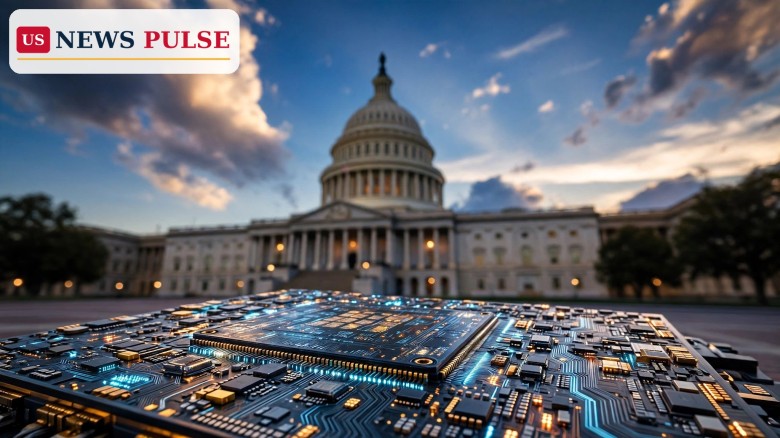
Chuck Schumer accuses Nvidia CEO Jensen Huang of shipping "extremely advanced chips to China, violating US export control law", the Senate Democratic leader said on Tuesday, November 24, 2026, in the sharpest escalation yet of the bipartisan backlash against the reinstated chip boss. Schumer likened the alleged shipments to "selling rocket engines to the Soviets during the Space Race" and called the episode "an unfathomable failure of enforcement by the Trump administration". The accusation landed a day after Nvidia's board restored Huang as chief executive.
Key Points
- Schumer accused Huang on X of shipping extremely advanced chips to China in violation of US export control law.
- He called it "an unfathomable failure of enforcement" by the Trump administration and urged Congress to pass new chip-export legislation quickly.
- Republican Sen. Kevin Cramer said more guardrails were needed and lawmakers might have to "put a babysitter on Jensen Huang".
- Republican Rep. Pat Harrigan said Huang's reinstatement "is a mistake".
- Huang is due to testify at a public Senate Banking Committee hearing on December 3 and face a closed-door House briefing on December 1.
What Happened
Schumer posted his accusation on X on Tuesday, a day after Nvidia's board voted unanimously to reinstate Huang as chief executive. He said Huang had shipped "extremely advanced chips to China, violating US export control law", and framed the alleged shipments as a national security failure on the scale of "selling rocket engines to the Soviets during the Space Race". He said Congress must quickly pass legislation to crack down on US chip exports to China.
The criticism was bipartisan and immediate. Republican Sen. Kevin Cramer, a member of the Senate Banking Committee, said on CNBC that more guardrails were needed around Huang. "We might even have to put a babysitter on Jensen Huang," Cramer said. Republican Rep. Pat Harrigan had said on Monday that Huang's reinstatement "is a mistake", adding: "We sent a signal that one man's financial impact on our economy outweighs the importance of good governance." Nvidia did not respond to a request for comment.
Background and Context
The accusation is the latest turn in a two-week saga. Huang stepped down as Nvidia chief executive on November 12 after reports of his relationship with Alice Huang, a former Megaspeed executive whom US officials reportedly suspect of being a Chinese intelligence asset. Reports said the relationship aided at least $7.5 billion in chip shipments to China, a figure Reuters has not independently verified. Nvidia's board retained former acting US Attorney Joon H. Kim to investigate.
Huang returned to the top job on Monday, November 23, when the board voted unanimously to reinstate him, sending Nvidia shares up 31 percent. Trump had pressed the board to bring Huang back and defended him as a "very honourable man". Schumer had already demanded a full accounting of Trump's defence of Huang on November 10, and the same day Cramer called on Huang to resign.
Pressure has built from several directions. Democratic Senators Elizabeth Warren and Chris Coons wrote on November 11 asking the administration to preserve all records on Nvidia chip exports to China and brief Congress. Their letter warned of "significant concerns about the federal government's ability to effectively enforce our export controls". On November 23 the Commerce Department filed a formal rule adding Megaspeed and six other entities, including Alibaba-owned Apex, to the Entity List. Trump said in an interview published on Tuesday that he would consider pardoning Huang if necessary, while urging him to "tell the truth" to Congress.
Schumer Accuses Huang of Violating Export Control Law: What the Charge Means
Schumer's post is an accusation, not a legal finding. No charges have been filed against Huang, with no finding by any court or agency that Nvidia broke the law. The US export-control regime restricts the sale of the most advanced artificial intelligence chips to China, and the Commerce Department's Entity List bars US firms from supplying listed companies without a licence.
The political weight matters as much as the legal content. Schumer is the Senate's Democratic leader, and his call points to three measures already in the defence bill: the AI Overwatch Act, the Chip Security Act and the Match Act. Nvidia is considered the biggest opponent of the Chip Security and AI Overwatch acts.
Reactions and Quotes
Schumer's own words were unsparing. He wrote that Huang had shipped "extremely advanced chips to China, violating US export control law", called it "an unfathomable failure of enforcement by the Trump administration", and said Congress must act quickly to crack down on US chip exports to China. The "rocket engines" comparison was aimed at making the stakes unmistakable.
Cramer's "babysitter" line on CNBC showed the criticism crossing party lines: his earlier resignation call had rested on the extortion risk facing a chief executive. Harrigan's criticism struck a different note, aimed at the board's decision itself. Trump has stood by Huang while pressing him to cooperate with Congress, saying a pardon was "always an option" but that he did not think it would be necessary. Beijing has called the espionage claims "groundless speculation", and Megaspeed denies wrongdoing.
Why It Matters
The fight matters because Nvidia sits at the centre of the global artificial intelligence race. Its chips power the data centres training advanced AI systems, and Washington has spent years tightening rules to keep the most powerful of them out of Chinese hands. If the most advanced chips reached China anyway, the export-control system itself is in question.
It also matters because the criticism is now bipartisan and spans both chambers. A Democratic Senate leader, a Republican Banking Committee senator and a Republican House member are all pressing the same point, while the administration defends Huang and prepares to enforce new Entity List restrictions. That split makes legislation more likely, raising the stakes for Huang's testimony next week.
What Happens Next
Huang faces a closed-door briefing on December 1 with three House panels, followed by a public hearing on December 3 before the Senate Banking Committee, titled "Protecting America's AI Advantage: Oversight of U.S. Export Controls". Committee chair Tim Scott announced the hearing on Monday; it is expected to cover the alleged chip diversion, Huang's ties to Alice Huang and export-control enforcement.
Watch, too, for Nvidia's response, for movement on the chip-export measures in the defence bill, and for whether other lawmakers join the call for tougher rules.
Frequently Asked Questions
What did Schumer accuse Huang of? Schumer accused Nvidia CEO Jensen Huang of shipping "extremely advanced chips to China, violating US export control law".
Has Huang been charged with anything? No. It is an accusation, not a legal finding, and no charges have been filed.
What did Cramer and Harrigan say? Republican Sen. Kevin Cramer said lawmakers might have to "put a babysitter on Jensen Huang"; Republican Rep. Pat Harrigan said the reinstatement "is a mistake".
When does Huang testify before Congress? He faces a closed-door briefing with three House panels on December 1 and a public Senate Banking Committee hearing on December 3.
What legislation is Schumer pushing? He wants Congress to pass new chip-export legislation quickly, including the AI Overwatch, Chip Security and Match acts in the defence bill.
© 2026 US News Pulse. All rights reserved.
 Print
 Save