
FAA Probe Pins Nationwide Ground Stop on Overlooked Router Setting in Arkansas
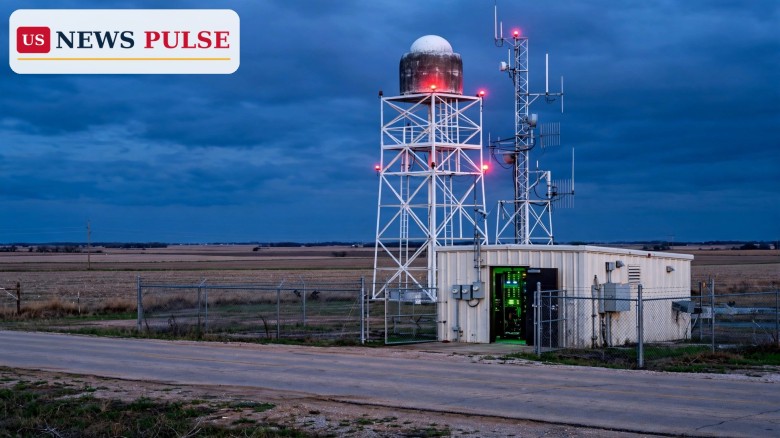
Investigators looking into the nationwide ground stop that halted every departure in the United States earlier this month have recreated the mysterious failure in a laboratory and believe they have found the culprit, CNN reported on Tuesday. A source familiar with the investigation said an overlooked setting on a new router at a remote radio site in El Dorado, Arkansas, changed how the device talked to the decades-old routers the Federal Aviation Administration is replacing, flooding the nation's air traffic control system with data. The finding would close the biggest remaining question from the November 13 shutdown.
Key Points
- Investigators recreated the November 13 failure in a lab and traced it to an overlooked setting on a new El Dorado, Arkansas, router.
- The setting changed how the new router interfaced with the FAA's decades-old routers, flooding the system and knocking out radar and radio links.
- Investigators are "90% sure" the disruption was not caused by nefarious actors; the FBI joined the probe.
- Software updates are expected to prevent a repeat, investigators believe.
- FAA chief Bryan Bedford and Transportation Secretary Sean Duffy face hearings next week as Duffy seeks another $50 billion for air traffic control upgrades.
What Happened
CNN reported on Tuesday, November 24, that investigators recreated the technical failure behind the nationwide ground stop in a laboratory and believe they have identified the culprit. The probe focused on why a new router at the remote Arkansas site overwhelmed the nation's air traffic control system with data, causing gaps in radar and radio communications. Investigators found an overlooked setting affected how the new device interfaced with decades-old routers the FAA is decommissioning. The investigators are preparing a report, and although some questions remain, the source said they are "90% sure" the disruption was not caused by nefarious actors. The FBI and other national security representatives took part. CNN said it had reached out to the FAA and L3Harris, the contractor that owns and operates the FAA's telecommunications system, for comment.
Background and Context
The failure began on Friday, November 13, when L3Harris was switching the system at El Dorado from a decades-old router to a new one in a move from copper lines to fibre. The new router began flooding the network with about 1,000 connection attempts every four to five seconds, destabilising communications and radar data at 17 of the FAA's 22 en route centres. The FAA ordered a national ground stop at about 3:54 p.m. ET, halting all departures for more than four hours in the longest nationwide halt since September 11, 2001. More than 15,000 flights were cancelled between Friday and Sunday. Investigators also linked the failure to a radar site in Amarillo, Texas, where equipment had been replaced weeks earlier. The FAA paused new installations of the Juniper routers on November 17 and disabled the relevant function on more than 60 routers already installed. The same day, the Trump administration formally asked Congress for $50.1 billion to overhaul air traffic control. A misconfigured router had crippled the system before: in 2009, one at the Los Angeles Center knocked out communications at 129 FAA facilities.
The Overlooked Router Setting Behind the FAA Ground Stop
The new finding narrows the cause from a faulty device to a single missed setting. The overlooked setting governed how the new router exchanged data with the legacy routers still carrying much of the FAA's traffic; once the new device came online, it overwhelmed them. Hewlett Packard Enterprise, which owns Juniper, had said the equipment "worked as configured" — consistent now with a configuration error, not a hardware defect. Investigators believe software updates will fix the problem and prevent a repeat. The probe has not yet explained why abnormal traffic from one or two sites spread so widely, or what safeguards should have contained it. Those questions are expected to feature in the report and next week's hearings.
Reactions and Quotes
The FAA defended its oversight, saying the policy change at the centre of the criticism had only altered how maintenance is prioritised. "The FAA performs continuous risk assessments for changes in the National Airspace System. However, L3 Harris owns and is responsible for maintaining the FAA Telecommunications Infrastructure," the agency said, adding: "FAA personnel never certify or sign off on the internal workmanship of an L3Harris router installation." The technicians' union, the Professional Aviation Safety Specialists, contends a layer of FAA review that assessed risk was eliminated. Previously, local managers and site technicians decided when work could be done with the least impact on air traffic and gamed out worst-case scenarios; the union says that process did not happen before L3Harris arrived at El Dorado on November 13. An earlier CNN report found the FAA had "no monitoring" of the contractor work: a technician was present only to unlock the door.
Why It Matters
The ground stop exposed how fragile the backbone of American aviation remains as it is rebuilt. A single router setting at a remote Arkansas site was enough to blind controllers at most of the country's en route centres and strand hundreds of thousands of passengers, days before the busiest travel week of the year. The finding reframes the failure: not a cyberattack, not a storm and not a broken device, but a missed configuration in a system being upgraded while it carries live traffic. With the FAA asking Congress for $50 billion to modernise air traffic control, next week's hearings will test whether the agency can show it has learned enough to keep the old system safe until the new one arrives.
What Happens Next
Investigators are preparing their report, and Bedford and Duffy are set to appear at hearings next week on Capitol Hill, where they face tough questions about the investigation and the modernisation effort. Software updates identified by the probe are expected to be applied to prevent a repeat. The FAA has already paused further installations of the routers involved and disabled the faulty function on those in service. Attention will now turn to whether the report assigns responsibility for the missed setting and whether Congress backs the $50 billion overhaul request.
Frequently Asked Questions
What caused the nationwide FAA ground stop?
An overlooked setting on a new router at El Dorado, Arkansas, changed how it talked to the FAA's old routers, flooding the system with data and knocking out radar and radio links on November 13.
Was the ground stop caused by a cyberattack?
No. Investigators are "90% sure" it was not caused by nefarious actors, according to a source familiar with the probe, which also involved the FBI.
How long did the ground stop last?
The FAA halted all departures nationwide for more than four hours on Friday, November 13, the longest since September 11, 2001. More than 15,000 flights were cancelled that weekend.
What is being done to prevent a repeat?
The FAA has paused new installations of those routers, disabled the relevant function on more than 60 already installed, and investigators believe software updates will prevent a repeat.
What happens next?
Investigators are preparing a report, and FAA chief Bryan Bedford and Transportation Secretary Sean Duffy are due at congressional hearings next week.
© 2026 US News Pulse. All rights reserved.
 Print
 Save