
Utah Drops Criminal Case Against Kalshi After Prediction Market Exits State
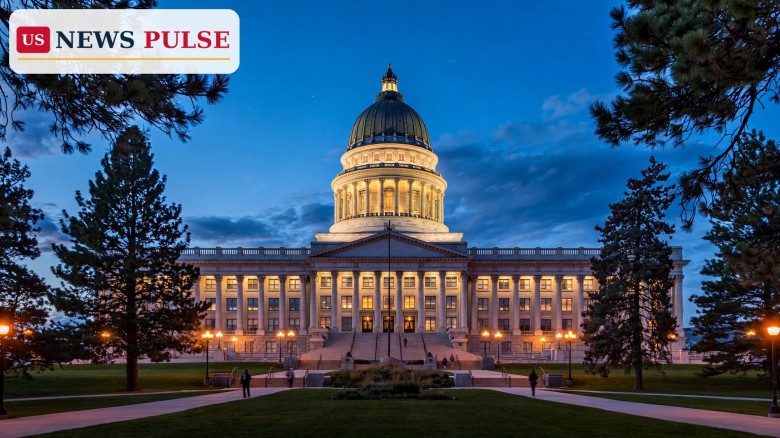
Utah has dropped its criminal case against prediction market Kalshi, ending a prosecution that began less than a month ago after the company stopped serving customers in the state. Attorney General Derek Brown announced on Tuesday, November 24, 2026, that the state had moved to dismiss all 14 criminal charges against Kalshi and its co-founders, Tarek Mansour and Luana Lopes Lara. The dismissal came one day after Kalshi halted operations in Utah, closing the criminal chapter of a fight over whether event contracts are gambling or federally regulated financial products.
Key Points
- Utah moved Tuesday to dismiss all 14 criminal charges against Kalshi and co-founders Tarek Mansour and Luana Lopes Lara.
- The state filed the motion Monday in the Third District Court, a day after Kalshi halted operations in Utah.
- The dismissal is without prejudice, so Utah can refile if Kalshi returns.
- There was no deal: Kalshi left Utah on its own after a setback in federal court.
- Utah's civil case against Kalshi remains pending; six other prediction-market firms have also left.
What Happened
The state filed its motion to dismiss on Monday, November 23, in the Third District Court, and Attorney General Derek Brown announced the decision the next day. It covers all 14 counts filed on October 28: thirteen counts of violating Utah's gambling prohibition and one count of engaging in a pattern of unlawful activity. The dismissal is without prejudice, so the state can bring the same case again if Kalshi returns.
Kalshi stopped serving Utah residents on Monday, the same day the state filed its motion. Mansour and Lara had been due for arraignment in Salt Lake City on December 4, 2026; that hearing will not take place. There was no settlement — no payment, admission or agreement.
Background and Context
Utah opened a criminal investigation in September 2026, alleging Kalshi was offering gambling to people in the state. On October 28, prosecutors filed the 14 counts against KalshiEX LLC, Mansour and Lara, after an undercover investigator placed twelve sports wagers totalling 114.87 dollars between September 13 and September 26, losing 25.10 dollars. The defendants were summoned, not arrested.
Kalshi's defence is that it is not a gambling operator. Regulated by the Commodity Futures Trading Commission, it says its event contracts are financial instruments under federal law, which state gambling bans cannot override. Utah says offering sports and event markets to its residents is gambling under state law — the same dispute now playing out in courtrooms across the country.
The federal side moved quickly: the US government and the CFTC sued Utah on October 26, arguing federal law pre-empts state enforcement, with a hearing before Judge Robert J. Shelby set for November 6. Kalshi's exit followed a setback in federal court. Utah has also sued the online casino Stake.us, alleging a 24-hour online casino for Utah residents since 2022, and its civil case against Kalshi is still pending.
Utah Drops Kalshi Criminal Case: What the Exit Means
The dismissal is a win for Kalshi in the narrow sense: no trial, no criminal record, no December arraignment. But the price was the Utah market itself. Kalshi did not win the right to operate in the state; it gave up the state to end the case — showing how a state with a total gambling ban can force a prediction market out without winning in court.
Six other firms — Robinhood, Fanatics, DraftKings, FanDuel, Novig and ProphetX — have also left Utah, leaving Polymarket as the notable operator still available there. For the companies, the calculation is the same: revenue from one small, gambling-averse state is not worth a criminal case against senior executives.
Reactions and Quotes
Attorney General Derek Brown summed up the state's position in a single sentence. "Kalshi has pulled out of Utah, and if it returns, so will the charges," he said. The line captures both the outcome and the threat: the dismissal is conditional on the company staying out, and the state is prepared to prosecute again if it comes back.
Kalshi has not claimed victory, and there is little to celebrate beyond the end of the criminal exposure. It left a market rather than defending its right to serve it, after a federal-court setback. The exit follows a difficult autumn: the CFTC warned on November 10 that charges were imminent over dozens of event contracts listed without proper notice. Kalshi called it a procedural error and said it was already addressing it.
Why It Matters
The dismissal shows how the fight over prediction markets is actually being decided. The legal question — federal financial products or state-regulated gambling — remains unresolved. But on the ground, states are winning by attrition: charges against founders and the cost of fighting court after court are pushing companies out one by one.
It matters for Utah residents, who have lost access to seven platforms in weeks, and for the CFTC's claim that it alone regulates these markets. The agency sued Utah to stop enforcement, yet the criminal case achieved its aim before the courts resolved the pre-emption question. If other states copy Utah, the industry could be shut out state after state.
What Happens Next
The civil lawsuit against Kalshi remains pending, so its legal exposure in Utah is not over. That case will test the same questions without the threat of prison for its founders.
The federal case also continues: the CFTC's suit against Utah will decide the pre-emption question, with consequences far beyond Utah. For now, Kalshi is out, the charges can be refiled, and Polymarket is the only major prediction market still serving the state.
Frequently Asked Questions
Why did Utah drop the criminal case against Kalshi?
Utah dismissed the case after Kalshi halted operations on Monday, November 23. Attorney General Derek Brown said the company had pulled out of Utah.
Can Utah bring the charges back?
Yes. The dismissal was without prejudice, so Utah can refile if Kalshi resumes serving Utah residents.
What were the charges against Kalshi?
Fourteen counts filed October 28, 2026: thirteen gambling-prohibition counts and one pattern-of-unlawful-activity count, naming KalshiEX LLC, Tarek Mansour and Luana Lopes Lara.
Was there a settlement between Utah and Kalshi?
No. Kalshi left Utah unilaterally after a setback in federal court.
Which other prediction markets have left Utah?
Robinhood, Fanatics, DraftKings, FanDuel, Novig and ProphetX. Polymarket remains available, and Utah's civil case against Kalshi is pending.
© 2026 US News Pulse. All rights reserved.
 Print
 Save