
Mystery $300 Million Floods Park Service Fund Behind Trump's Ballroom, Donors Unnamed
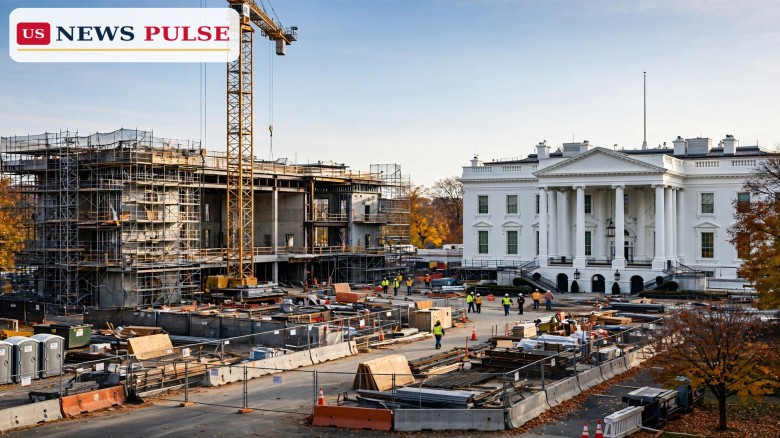
A National Park Service donation account that President Donald Trump has used to pay for his Washington construction projects received about $347 million in September 2026 — roughly $300 million more than the government had expected — and nobody outside the administration knows who gave the money. The New York Times reported on Tuesday, November 24, that government financial records show the mystery inflow but identify no donor, say nothing about whether it came from one giver or many, and state no purpose for the gift. The administration declined to explain it. The windfall arrives as the White House ballroom rises beside the executive mansion and the combined cost of the president's Washington building programme climbs past $1 billion.
Key Points
- The Park Service account took in about $347 million in September 2026, about $300 million above the Interior Department's $50 million projection.
- Records reviewed by The New York Times do not identify the donor or donors, or what the money is meant to fund.
- The account has received about $790 million since Mr Trump returned to office; it historically took in under $100 million a year.
- The money has paid for the White House ballroom, Lincoln Memorial Reflecting Pool repairs and design work on a triumphal arch.
- Watchdog Tony Irish says the secrecy makes it impossible to judge whether donors expect anything in return.
What Happened
The New York Times reported on Tuesday, November 24, 2026, that a National Park Service donation account used by President Donald Trump to pay for his Washington construction projects received about $347 million in September 2026 — roughly $300 million more than the $50 million the Interior Department had projected, a gap that immediately drew attention inside the department and among ethics watchdogs.
Government financial records reviewed by the Times do not identify who gave the money, whether it came from a single donor or many, or what it is meant to fund. The Trump administration declined to explain the inflow. The account was created to collect gifts for national parks and in ordinary years took in less than $100 million; September alone is more than three times that annual total, and the account has now received about $790 million since Mr Trump returned to office in January 2025.
Background and Context
The money has paid for the most ambitious building programme at the White House in decades. The largest project is the new White House ballroom, a grand events hall rising beside the executive mansion. The fund has also paid for repairs to the Lincoln Memorial Reflecting Pool and design work on Mr Trump's proposed triumphal arch. The Times puts the combined cost of the president's Washington building projects at more than $1 billion.
The White House says private donations, not taxpayer money, are paying for the ballroom. Last month The Washington Post reported that the top donors include Apple, Nvidia, Google, Microsoft and Lockheed Martin — names disclosed by the newspaper, not by the administration, which has published no full donor list. The secrecy has drawn scrutiny in Congress: Senator Richard Blumenthal, a Connecticut Democrat, has pressed for the donors' names, and a US Attorney threatened action over the probe, deepening Democratic suspicions that the White House wants the funding kept out of public view. The administration has also made the Oval Office and the Cabinet Room national landmarks, a step critics read as part of the same effort to put the president's mark on the building.
The Trump Ballroom $300 Million Mystery
The question at the centre of the story is simple, and so far unanswered: who gave $300 million, and why? A gift of that size to an account paying for the president's own building projects would normally come with a name, a stated purpose and a public record. Here there is none of that — only a line in the government's books.
The absence of answers matters because of what the money buys. The ballroom, the Reflecting Pool repairs and the triumphal arch are presidential projects, chosen by the president and built while he is in office. An anonymous donor is, in effect, financing the president's legacy in the capital without the public knowing who they are or what they might want in return.
Reactions and Quotes
The inflow was flagged by Tony Irish, a former Interior Department lawyer now senior counsel for the watchdog group Public Employees for Environmental Responsibility. Irish said the secrecy makes it impossible to judge whether the people behind the money expect anything in return. His warning goes to the heart of the ethics question: with an anonymous gift for a presidential project, the public cannot tell a generous donation from a down payment on influence.
The administration has not answered that question. It declined to explain who gave the money, whether it came from one donor or many, or what it is meant to fund. Democrats in Congress have treated the ballroom funding as a live oversight issue, and the September windfall is likely to sharpen the demand for a full accounting. The Washington Post's reporting last month named some donors, but none has been linked to the September payment.
Why It Matters
The story matters because $300 million of anonymous money is now sitting in a government account that pays for the president's own building projects. A nine-figure gift to a public official's programme would normally come with a donor's name attached; here the name is missing, and the administration will not supply it. The public cannot judge whether the donors are companies with business before the government, foreign-linked interests, or private individuals with something to gain.
It also sets a precedent: if a president can raise hundreds of millions in anonymous gifts to rebuild the White House, future presidents can do the same, turning the most symbolic buildings in American public life into projects financed by donors the public never sees.
What Happens Next
Congress is the most likely source of answers: Democrats have already demanded a full accounting of the ballroom's donors, and the September figure gives that demand force. The Interior Department could also disclose the donor or donors, though it has given no sign of doing so. Meanwhile, construction continues: the ballroom is rising, the Reflecting Pool work is under way and the triumphal arch — already the subject of lawsuits from Virginia and Washington, DC — remains in design.
Related coverage: the ballroom's final beam, the arch lawsuit and Alaska's voter-data deal.
Frequently Asked Questions
How much money arrived in the Park Service fund in September 2026?
About $347 million — roughly $300 million more than the $50 million the Interior Department had projected.
Who donated the money?
Nobody knows. The records do not identify the donor or donors, and the administration has declined to explain.
What has the fund paid for?
The White House ballroom, repairs to the Lincoln Memorial Reflecting Pool and design work on President Trump's proposed triumphal arch.
Are taxpayers paying for the ballroom?
The White House says private donations are paying for it. The Washington Post has named Apple, Nvidia, Google, Microsoft and Lockheed Martin among the top donors, but no full list has been published.
© 2026 US News Pulse. All rights reserved.
 Print
 Save