
Fort Hood Survivors Lose Final Appeal to Witness Nidal Hasan's Execution
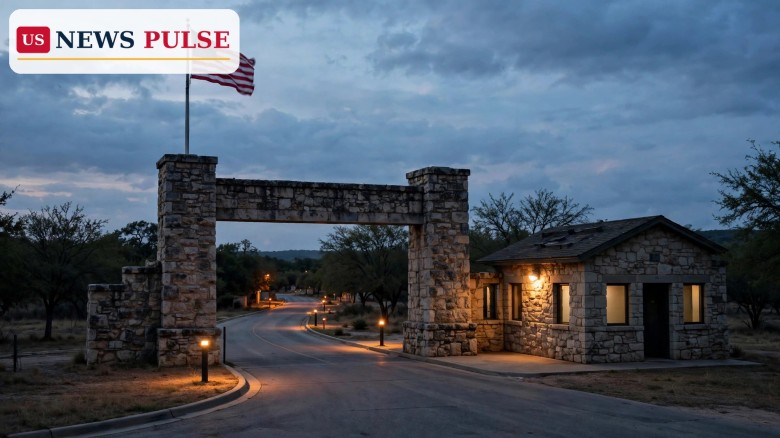
Three survivors of the 2009 Fort Hood shooting have lost their final appeal to witness the execution of Nidal Hasan, the former Army psychiatrist who killed 13 people and wounded more than 30 at the Texas base. Military officials told them on Tuesday, November 24, 2026, that reconsideration had been rejected on security and space grounds, with no further appeal allowed. The decision closes the last route for the Fort Hood survivors to be present when Hasan faces a firing squad on December 3 — an execution ordered by President Donald Trump, the first by the US military since 1961 and the first by firing squad since World War II.
Key Points
- Three Fort Hood survivors will not be allowed to witness Nidal Hasan's firing-squad execution on December 3, 2026.
- The Army said on November 10 that none of the three was the direct victim of the charges Hasan was convicted on.
- Reconsideration was rejected on Tuesday on security and space grounds; the Fort Leavenworth commandant said they cannot appeal again.
- The survivors say the Army should use the broader UCMJ definition of "victim" — anyone who suffered "direct physical, emotional or pecuniary harm".
- Hasan has asked a federal court to delay the execution, with a hearing set for Wednesday morning in Kansas.
What Happened
The Army's first answer came on November 10, when officials told the three survivors they could not attend the December 3 execution, as none was the direct victim of the charges Hasan was convicted on. The survivors asked for reconsideration, arguing the Army was applying the wrong test — but in an email sent on Tuesday and shared with the Associated Press, officials said the request had been rejected on security and space grounds. A letter from the Fort Leavenworth commandant told them they could not appeal again.
Retired Colonel Kathy Platoni, who would have supervised Hasan on a planned deployment to Afghanistan, called the denial a betrayal. Julia Wilson, nine months pregnant when Hasan opened fire in 2009, also had her request denied. The third survivor has not been named. They say the refusal implies they were not victims because they were not struck by bullets.
Background and Context
On November 5, 2009, Hasan, then a major and an Army psychiatrist, opened fire at the Soldier Readiness Processing Center at Fort Hood, Texas, killing 13 people and wounding more than 30 — the deadliest mass shooting ever carried out on a US military base.
Hasan was court-martialled in 2013 and convicted on 13 counts of premeditated murder and 32 counts of attempted premeditated murder. A military jury sentenced him to death, and the case then entered the long appellate process for military capital cases, leaving the sentence unexecuted for more than a decade.
That changed on October 2, 2026, when President Donald Trump ordered the execution for December 3 — the first by the US military since 1961 and the first by firing squad since World War II. An earlier plan to livestream it was rescinded after bipartisan backlash. The order fits a wider push to speed up capital punishment: on Monday, Trump signed a directive ordering the Justice Department to seek the death penalty in murder cases involving children, rape and human trafficking — a drive that has put executions back at the centre of American politics.
Fort Hood Survivors and the Meaning of "Victim"
At the centre of the dispute is a single word: victim. The survivors say the Army should use the broader definition in the Uniform Code of Military Justice, covering anyone who suffered "direct physical, emotional or pecuniary harm". Under that reading, being present at Fort Hood that day — and living with its consequences for 17 years — would plainly qualify.
The Army has applied a narrower test, tied to the charges of conviction, and added practical objections: security and space. They now have no further appeal inside the military system. For Platoni and Wilson, the issue is not only attendance but recognition — a refusal that says they do not count as victims of a crime that shaped the rest of their lives.
Reactions and Quotes
Platoni's word for the decision was blunt: a betrayal. She had been due to supervise Hasan on a planned deployment to Afghanistan. Wilson, nine months pregnant when the shooting began, has said little in public beyond her request to be there — now refused for the final time.
The Army has said nothing beyond the decisions themselves.
Hasan, meanwhile, is fighting the execution itself. He asked a federal court on Tuesday to delay it so he can prepare a petition challenging his death sentence, with a hearing set for Wednesday morning before Judge Tony Mattivi in Kansas. Federal courts are testing the limits of government power this week: in Los Angeles, a student who lost an eye at a protest is suing the federal government over the force used against him.
Why It Matters
The ruling sets a precedent for who counts as a victim in military capital cases — and who gets to be present at the end of one. If the narrower test stands, survivors who were present but not struck by bullets may be excluded from future military executions as well, even when they have carried the trauma for decades.
It also lands as executions move faster across the country. Florida and Texas have set executions for the same week, with Florida nearing a record 20th execution of the year. The first military execution in 65 years is the starkest symbol of that shift.
What Happens Next
The next step is in federal court, not the Army. Hasan asked a federal court on Tuesday to delay the execution so he can prepare a petition challenging his death sentence, and a hearing is set for Wednesday morning before Judge Tony Mattivi in Kansas. If the court grants a delay, the December 3 date could slip; if not, the execution will go ahead as ordered.
For the three survivors, the administrative fight is over. Their only remaining route would be a court challenge of their own, and none has been announced.
Frequently Asked Questions
Who are the three Fort Hood survivors?
Retired Colonel Kathy Platoni and Julia Wilson are the two named survivors; the third has not been named.
Why were they denied permission to attend?
The Army said none was the direct victim of the charges Hasan was convicted on, and rejected reconsideration on security and space grounds, with no further appeal.
What does the UCMJ say a victim is?
It defines a victim as someone who suffered "direct physical, emotional or pecuniary harm" — the definition the survivors say the Army should have applied.
When is Nidal Hasan's execution?
December 3, 2026, ordered by President Donald Trump on October 2 — the first US military execution since 1961, and the first by firing squad since World War II.
Can the execution still be delayed?
Yes. Hasan has asked a federal court to delay it while he prepares a petition challenging his death sentence; a hearing is set for Wednesday morning before Judge Tony Mattivi in Kansas.
© 2026 US News Pulse. All rights reserved.
 Print
 Save