
Boehly Signs $10 Billion Deal to Buy Sanctioned Lukoil's Global Oil Assets
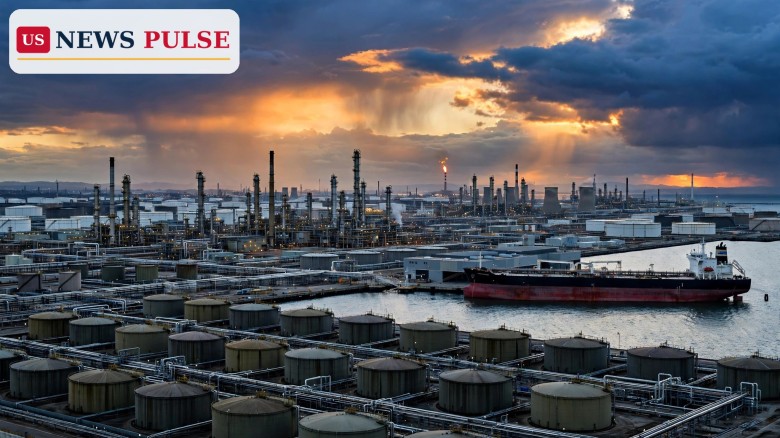
US billionaire Todd Boehly has signed a deal for a US-backed consortium to buy the international energy assets of Lukoil, the sanctioned Russian oil giant, in a $10 billion share swap that would give Washington a share of the venture's future profits and a seat on its governing board. Announced on Wednesday, November 25, 2026, after more than a year of negotiations, it still needs approval from the US Treasury before it can close.
Key Points
- Todd Boehly has signed a deal for a consortium including the US International Development Finance Corp to acquire Lukoil's international energy assets in a $10 billion share swap.
- The portfolio spans 11 countries, produces about 350,000 barrels of oil a day, and is valued at around $16 billion, with refineries in the Netherlands, Bulgaria and Romania.
- The deal needs approval from the Treasury's Office of Foreign Assets Control, which sanctioned Lukoil in October 2025.
- Washington will get a share of future profits and a board role after private investors recoup their capital and an agreed return.
- The swapped shares will sit in a UAE escrow account so Lukoil gets no windfall, and closing could take up to a year.
What Happened
Boehly said on Wednesday he had signed the agreement after more than a year of talks. Under the deal, the consortium hands over Lukoil securities worth $10 billion in exchange for the international assets, rather than paying cash. That matters: no money flows directly to a sanctioned company, and the structure is designed to meet the Treasury's demand that Lukoil should not profit from the sale.
The partners include US bank Xtellus Partners and UAE-based Catena Investment Holding. Two earlier partners — the Al-Khayyat brothers and Abu Dhabi's International Holding Company — left the group last week. The US International Development Finance Corp is part of the consortium, giving the deal an official American imprimatur that earlier attempts lacked.
What changes hands is considerable: operations in 11 countries producing around 350,000 barrels a day, major oilfields in Azerbaijan and Kazakhstan, refineries in the Netherlands, Bulgaria and Romania, and a service-station network that reaches into the United States.
Background and Context
Lukoil has been under US sanctions since October 2025, when the Treasury targeted Russia's second-largest oil producer over the war in Ukraine. The sanctions forced the company to seek a buyer for its international business, but finding one that could satisfy Washington proved far harder than expected.
Two earlier attempts collapsed. Gunvor and its partner Centalion withdrew after Treasury Secretary Scott Bessent called the bid the "Kremlin's puppet". Carlyle signed a deal in January but never received an OFAC licence, and that agreement lapsed. The Boehly deal is the third serious attempt, and the first with the DFC inside the consortium and an explicit role for Washington.
Boehly Lukoil Deal: What the $10 Billion Swap Covers
The centrepiece is the $10 billion share swap. Instead of cash, Lukoil will receive its own securities, held in escrow in the UAE. The arrangement is meant to ensure the sanctioned company gets no windfall from selling assets Washington values at roughly $16 billion. In effect, Lukoil is being bought out of its own international business with paper, not money.
Washington's role is the deal's most unusual feature. The US government will receive a share of future profits and a role on the governing board, but only after private investors have recouped their capital and earned an agreed return. That sequencing is meant to make the deal viable for the private partners while giving the Treasury a continuing say in how the assets are run.
Reactions and Quotes
Boehly confirmed the signing on Wednesday, saying the agreement followed more than a year of negotiations and that closing could take up to a year. He did not disclose the full partner list or the return private investors must earn first.
The Treasury will now review the agreement to safeguard US national security. The department has already shown it will kill a bid it distrusts: Bessent's "Kremlin's puppet" remark ended the Gunvor attempt, and Carlyle's failure to secure an OFAC licence sank the January deal. Whether the Boehly consortium clears the bar will depend on whether the Treasury is satisfied the escrow and governance arrangements genuinely sever Lukoil's control.
Why It Matters
The deal would resolve one of the largest loose ends left by the sanctions regime against Russia. Lukoil's international assets have been in limbo since the company was sanctioned in October 2025. A successful sale would remove a sanctioned Russian firm from a $16 billion business, put the assets under American-backed ownership, and give Washington a direct financial and governance interest in how they are run.
It is also a test of the Treasury's approach to sanctions. The share-swap structure, the UAE escrow and the profit-sharing arrangement are designed to show that a sanctioned company can be stripped of its assets without receiving a windfall. If OFAC approves, it becomes a template for future sales of sanctioned assets; if it refuses, the assets stay frozen.
What Happens Next
The immediate next step is the Treasury's OFAC review, and there is no public timetable. The Carlyle precedent — a signed deal that never received a licence — shows approval is far from automatic. The Treasury will examine the escrow arrangements, the consortium's ownership, and whether any channel remains through which Lukoil could benefit.
If OFAC grants a licence, the consortium will move toward closing, a process Boehly said could take up to a year. If it refuses, the search for a buyer starts again and the business remains frozen under sanctions.
Frequently Asked Questions
Who is buying Lukoil's international assets?
A consortium led by US billionaire Todd Boehly, including the US International Development Finance Corp, US bank Xtellus Partners and UAE-based Catena Investment Holding. The Al-Khayyat brothers and Abu Dhabi's International Holding Company left the group last week.
How much is the deal worth?
The deal swaps Lukoil securities worth $10 billion for the international assets, which are valued at around $16 billion. The portfolio produces about 350,000 barrels of oil a day across 11 countries.
Why does the deal need US Treasury approval?
Lukoil was sanctioned by the US Treasury in October 2025. The Office of Foreign Assets Control must approve the transaction to safeguard US national security and ensure Lukoil receives no windfall from the sale.
What happens to the money in the deal?
There is no cash payment to Lukoil. The swapped shares will sit in a UAE escrow account, and Washington will receive a share of future profits and a board role after private investors recoup their capital and an agreed return.
When will the deal close?
Boehly said closing could take up to a year, and that depends first on the Treasury's OFAC review. The venture will be renamed once the transaction closes.
Read more: Senate Probes Whether Vance Helped Vitol Land Venezuela Oil Deal, US Unveils New Section 301 Tariffs on 14 Partners, Fourth Oil Tanker Explodes After Hitting Mine East of Strait of Hormuz.
© 2026 US News Pulse. All rights reserved.
 Print
 Save