
Pritzker Pulls Illinois Out of Federal Scholarship Tax Credit, Sixth State to Opt Out
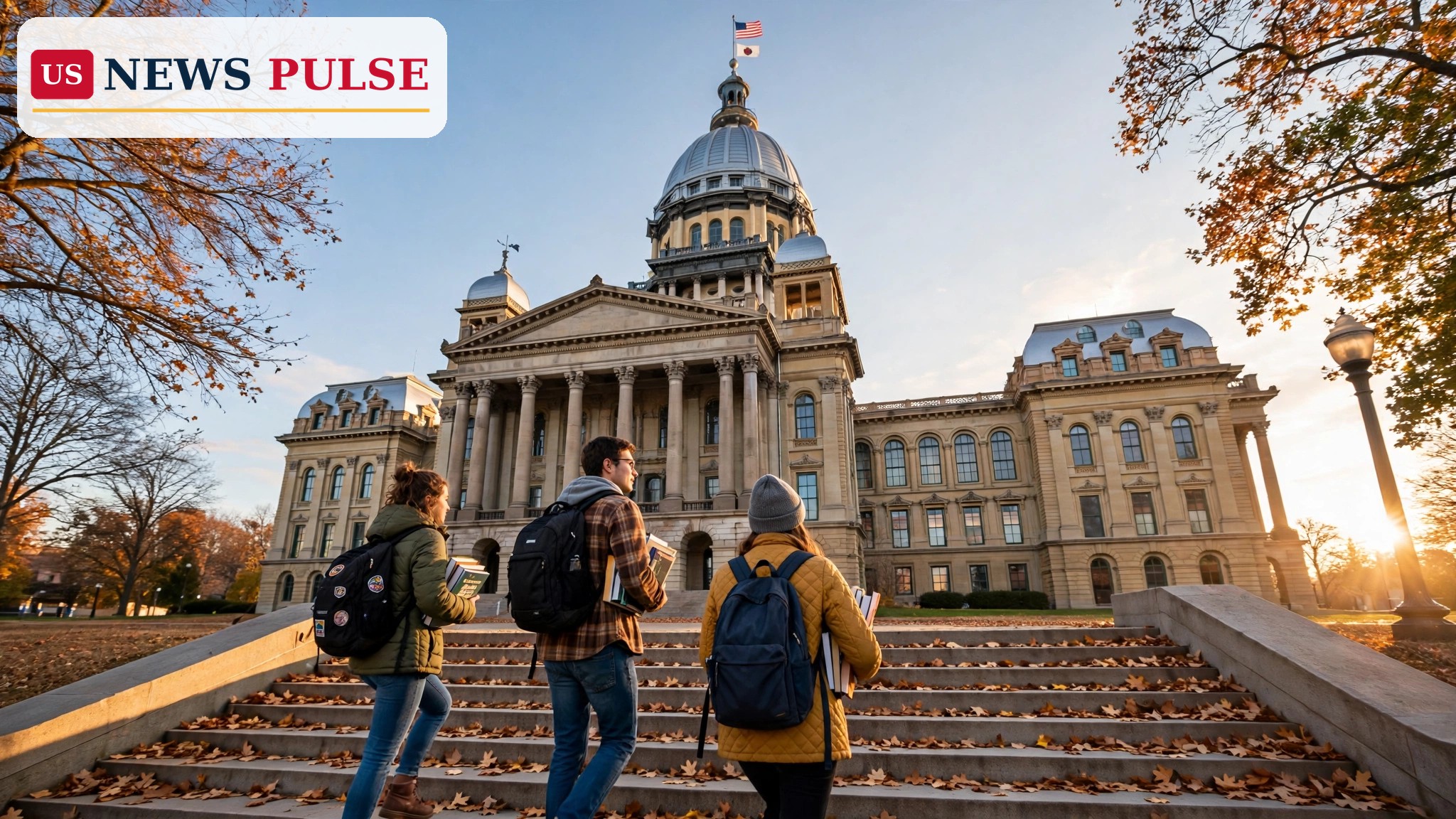
Illinois will not take part in the federal scholarship tax credit programme, Gov. JB Pritzker announced on Tuesday, November 24, making Illinois the sixth state to reject the tax break for donations to school scholarship funds. The decision puts the Democratic governor, widely seen as a 2028 presidential contender, at the centre of the national fight over school choice, weeks before the programme starts on January 1, 2027. Pritzker called it a voucher scheme that would drain money from public schools, while supporters said it denies 1.9 million Illinois pupils access to scholarships.
Key Points
- Illinois is the sixth state to opt out, after Oregon, Minnesota, Arizona, Wisconsin and Virginia.
- The programme gives a dollar-for-dollar federal tax credit of up to $1,700 a year ($3,400 for married couples) for donations to scholarship-granting organisations.
- It starts January 1, 2027, under the One Big Beautiful Bill Act; states have until year-end to join.
- Pritzker calls it a voucher scheme that would siphon money from public schools and could subsidise schools that discriminate.
- Critics say it denies 1.9 million Illinois pupils scholarships, though residents can still claim it for out-of-state donations.
What Happened
Pritzker announced the decision on Tuesday, November 24, confirming Illinois will not join when it begins on January 1, 2027. Illinois joins Oregon, Minnesota, Arizona, Wisconsin and Virginia on the opt-out list. Virginia's decision came earlier in November, when Gov. Abigail Spanberger reversed her Republican predecessor's choice to take part.
The governor framed the programme as a voucher scheme in all but name. He said states cannot set guidelines for the scholarship organisations, that it does not guarantee lower-income pupils benefit, since families earning up to three times the median income are eligible, and that it could subsidise schools that discriminate. "The federal government should be in the business of strengthening public schools," Pritzker said.
The backlash was immediate. American Federation for Children chief executive Tommy Schultz called the move "remarkably tone-deaf" just before Thanksgiving, and the US Department of Education used similar language, saying it denies 1.9 million Illinois children scholarships and sends the state's charitable dollars to pupils elsewhere.
Background: The Illinois Scholarship Tax Credit Fight
The programme was created under the One Big Beautiful Bill Act, signed in 2025, and is the first federal tax credit of its kind for school choice. Donors get a dollar-for-dollar nonrefundable federal tax credit of up to $1,700 a year, $3,400 for a married couple, for gifts to authorised scholarship-granting organisations. The money can pay for private or public school tuition, tutoring, textbooks and other education expenses.
Illinois is no stranger to this debate. The state ran its own tax-credit scholarship scheme, Invest in Kids, until it ended in late 2023, and its expiry left school-choice supporters pushing for a replacement. The federal programme was designed to fill that gap where states choose to take part, but participation is voluntary.
Pritzker's decision also lands in a wider national split. Three Democratic governors, New York's Kathy Hochul, Colorado's Jared Polis and New Mexico's Michelle Lujan Grisham, have opted in, saying the programme brings millions of dollars in support without taking money from public budgets. Pritzker won re-election to a third term earlier in November, a direct contrast with those governors, and with the Trump administration, over who the programme really serves.
The Illinois Scholarship Tax Credit Opt-Out: What It Means
For Illinois families, the opt-out means the federal credit will not be available for donations to scholarship organisations operating inside the state. Pupils who might have used scholarships for tuition, tutoring or textbooks will have to look elsewhere, although Illinois residents can still claim the credit for donations to groups operating outside the state.
For public schools, the decision is a win, in Pritzker's telling. He argues it would have moved charitable money towards private education, including schools that can turn pupils away, while public schools, which must take every child, would have been left behind. Critics reply that the credit costs public budgets nothing, since it is a federal tax break for private donations, and that blocking it simply keeps Illinois money flowing to other states.
Reactions
Pritzker was blunt about his reasons. He called the programme a voucher scheme that would siphon money from public schools for private education, and said the federal government should be strengthening public schools rather than building a workaround for them.
Supporters of the programme were equally blunt in reply. Schultz called the decision "remarkably tone-deaf", arguing it was made just before Thanksgiving and denies Illinois families a choice the federal government was offering. The US Department of Education echoed that criticism, pointing to the 1.9 million Illinois pupils it says will now miss out. Education funding rows have already flared elsewhere this year, and the Illinois decision shows the argument over who pays for schooling, and who gets to choose, is far from settled inside either party.
Why It Matters
The opt-out matters first because of scale. Illinois is one of the largest states in the country, and 1.9 million pupils is a huge share of the programme's potential reach. A sixth state saying no also gives the opt-out camp momentum, and the list now includes a major Midwestern state led by a governor widely tipped as a future presidential candidate.
It matters second because of the money and the politics. A $1,700-a-year credit, doubled for married couples, is a substantial incentive, and the programme should channel large sums into scholarship organisations in participating states. Pritzker's decision is a clear statement that the school-choice agenda will meet organised resistance from Democratic governors, even as other Democrats sign up.
What Happens Next
State leaders have until the end of the year to join, so the decision is not yet final in a formal sense, but nothing suggests a change of mind. The programme starts on January 1, 2027, and scholarship-granting organisations in participating states will begin taking donations that qualify for the credit. Watch next for other states still on the fence, and for early results from the three Democratic governors who opted in.
Frequently Asked Questions
What is the federal scholarship tax credit?
It is a dollar-for-dollar nonrefundable federal tax credit of up to $1,700 a year ($3,400 for married couples) for donations to authorised scholarship-granting organisations under the One Big Beautiful Bill Act, starting January 1, 2027.
Why did Illinois opt out?
Gov. JB Pritzker called it a voucher programme that would siphon money from public schools, said states cannot set rules for the scholarship organisations, and warned it could subsidise schools that discriminate.
Which states have opted out?
Illinois is the sixth, after Oregon, Minnesota, Arizona, Wisconsin and Virginia. Virginia's Gov. Abigail Spanberger reversed her predecessor's decision to participate earlier in November.
Can Illinois residents still claim the credit?
Yes, for donations to scholarship-granting organisations operating outside Illinois, even though the programme does not operate inside the state.
When does the programme start?
January 1, 2027. State leaders have until the end of 2026 to decide whether to join.
© 2026 US News Pulse. All rights reserved.
 Print
 Save