
Butterball Turkey Salmonella Found in 43% of Ground Turkey Samples Before Thanksgiving
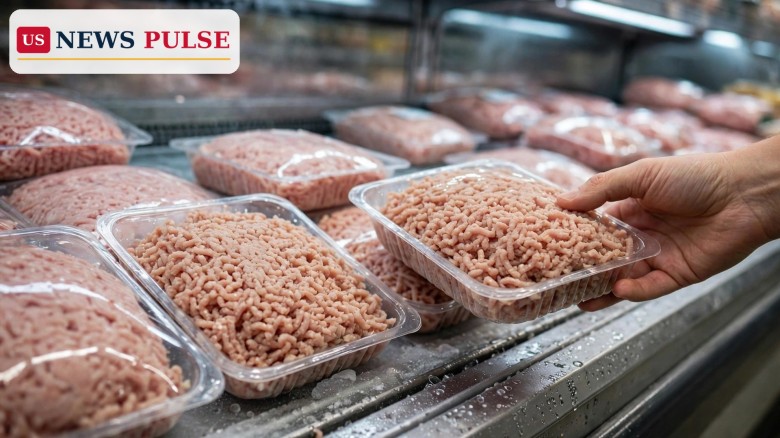
Butterball turkey salmonella was found in nearly 43% of ground turkey samples tested at the company's plants over the past year, according to US inspection data analysed in a new investigation — a finding that lands on Thanksgiving Day. The Guardian and SourceMaterial reported on Tuesday, November 25, 2026, that salmonella turned up in just under 43% of ground and chopped turkey samples taken at four Butterball plants in fiscal years 2025 and 2026, well above the industry average. Butterball is America's biggest turkey company. No recall has been announced, and no contamination was found in the company's whole birds or ready-to-eat products.
Key Points
- Salmonella was found in just under 43% of ground and chopped turkey samples from four Butterball plants over the past year.
- At the Mount Olive plant in North Carolina, 16 of 44 samples tested positive — 36%, nearly three times the USDA's 13.5% limit for a single plant.
- No salmonella was found in Butterball's whole birds or ready-to-eat products, and no recall has been announced.
- About 65% of positive samples in fiscal 2026 carried strains resistant to at least one antibiotic.
- Butterball says food safety is "critically important" and that it is taking part in a federal pilot programme on foodborne illness.
What Happened
The investigation analysed data from the US Department of Agriculture's Food Safety and Inspection Service (FSIS), covering fiscal years 2025 and 2026. The data, provided by Slingshot Investigates, showed salmonella in just under 43% of ground and chopped turkey samples collected at four Butterball plants over the past year.
The worst result came from Butterball's Mount Olive plant in North Carolina, the nation's biggest turkey slaughterhouse. There, FSIS inspectors found salmonella in 16 of the 44 ground and chopped samples tested — 36% of samples, nearly three times the USDA's 13.5% limit for an individual plant.
Despite the high positive rate, no recall has been announced. The USDA does not fine a plant that exceeds the limit or force a recall on these results alone; it requires the company to explain how it will fix the problem.
Background: Salmonella and Ground Turkey
Salmonella is one of the most common causes of food poisoning in the United States. The Centers for Disease Control and Prevention estimates it causes about 1.35 million infections in the US each year. Symptoms usually begin six hours to six days after eating contaminated food and include diarrhoea, fever and stomach cramps. Most people recover within a week, but it can be serious for young children, older adults and people with weakened immune systems.
Ground poultry carries a particular risk. Grinding spreads any bacteria present through the whole batch of meat, rather than leaving it on the surface where heat reaches it first. That is why ground turkey must be cooked all the way through to 165 degrees Fahrenheit (74 degrees Celsius), checked with a food thermometer, and kept away from ready-to-eat food. The USDA's FSIS samples meat plants routinely and sets salmonella standards for different products; when a plant exceeds the standard, the agency can require corrective action, but the system relies heavily on the company to find the cause and fix it.
Butterball Turkey Salmonella: What the Mount Olive Numbers Show
Sixteen positive samples out of 44 tested means more than one in three samples of ground and chopped turkey from the Mount Olive plant carried salmonella. The plant, the largest turkey slaughterhouse in the United States, supplies a large share of the market. At 36%, it was running at nearly three times the USDA's 13.5% ceiling, and the combined rate across all four plants — just under 43% — was higher still.
A second finding adds to the concern. In fiscal 2026, about two-thirds of intestinal samples carrying salmonella or campylobacter showed strains resistant to at least one antibiotic — 65% of positive samples. Antibiotic-resistant bacteria are harder to treat, and their presence in food animals has long worried public-health experts, because resistance can spread.
Reactions
Butterball responded to the investigation by saying food safety is "critically important" to the company. It said it is taking part in an FSIS pilot programme that evaluates the causes of foodborne illness, a programme designed to find where contamination enters production. The company did not dispute the inspection figures.
The USDA offered no comment beyond its established position: a plant that exceeds the standard must explain how it will correct the problem, but it is not fined and no recall is ordered on those results alone.
Why It Matters
The findings matter first because of scale. Butterball is America's biggest turkey company, and its plants supply turkey across the country. A rate of nearly 43% is far above the industry average, and it was measured by the government's own inspectors.
They matter second because of the antibiotic-resistance finding. When two-thirds of positive samples carry resistant strains, the risk is not only that someone gets sick, but that the illness is harder to treat. They matter third because of how the system responds: the USDA requires a plan rather than a fine or a recall, so the public may never know whether the problem was fixed. For shoppers, the lesson is the one agencies repeat every year: cook ground turkey thoroughly and keep raw meat away from everything else.
What Happens Next
Butterball must explain to FSIS how it will bring its plants back within the standard, and the pilot programme may point to where contamination enters production.
For shoppers, the advice does not change: cook ground turkey to 165 degrees Fahrenheit throughout, use a food thermometer, wash hands and surfaces after handling raw meat, and refrigerate leftovers within two hours. Whole birds and cooked products were not implicated. Any recall would come only if the USDA or the company identifies a specific product that poses a risk.
Frequently Asked Questions
Is Butterball turkey being recalled?
No. No recall has been announced; the USDA requires the company to explain how it will fix the problem.
Was salmonella found in whole Butterball turkeys?
No. The investigation found no contamination in Butterball's whole birds or in its ready-to-eat, cooked products. The positive samples were ground and chopped turkey.
What is the USDA's salmonella limit for ground turkey?
Up to 13.5% of samples from a plant may test positive. Butterball's Mount Olive plant tested at 36%.
How should I cook ground turkey safely?
Cook it all the way through to 165 degrees Fahrenheit (74 degrees Celsius), checked with a food thermometer. Keep raw turkey away from ready-to-eat food, and wash hands and surfaces after handling it.
Related coverage: FDA Recalls Ibuprofen 800 mg Tablets Nationwide Over Aluminum Particles | Carbon Monoxide Detectors Recalled: 210,410 Zenara Units Fail to Warn of Gas | CDC Director Erica Schwartz Faces Resign Call and House Probe Amid Measles Crisis
© 2026 US News Pulse. All rights reserved.
 Print
 Save